Canyoneering Adventures in Water Canyon, Utah
Canyoneering is like nature’s version of an obstacle course—except the obstacles are made of ancient rock, gushing water, and vertical cliffs. It’s the perfect mix of hiking, scrambling, climbing, rappelling, and sometimes swimming through deep canyon corridors. Think of it as hiking’s thrill-seeking cousin.
Why Utah is a canyoneering paradise
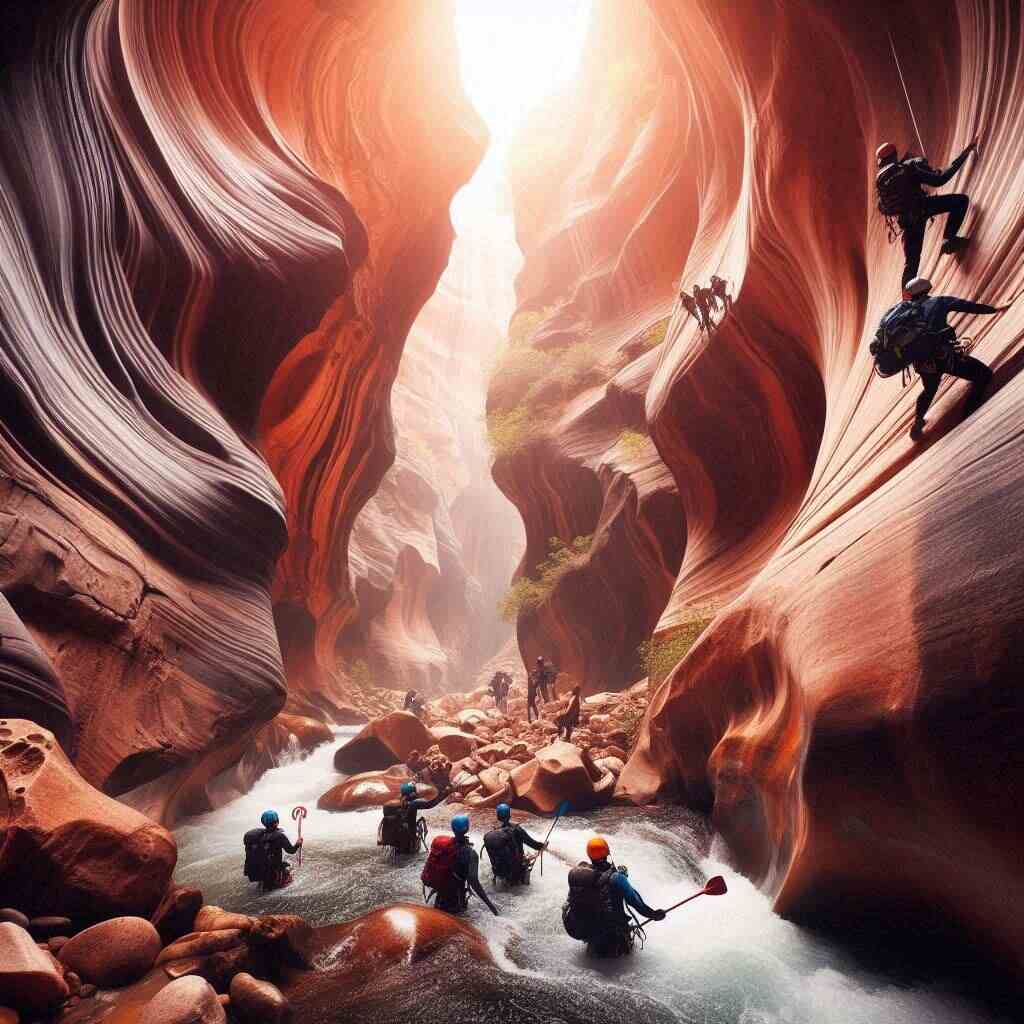
Utah’s rugged landscape is basically made for canyoneering. With the Colorado Plateau’s dramatic uplift and millions of years of erosion, this state is home to some of the most iconic slot canyons in the world. Water Canyon, just outside Zion National Park, is one of the hidden gems in this geological playground.
Discovering Water Canyon
Where is Water Canyon?
Tucked near the southern border of Utah and Arizona, Water Canyon sits just east of Zion National Park, a lesser-known yet jaw-dropping location. It’s close to Hildale and Colorado City, offering an off-the-beaten-path experience compared to the busier trails in the park.
The unique beauty of the canyon
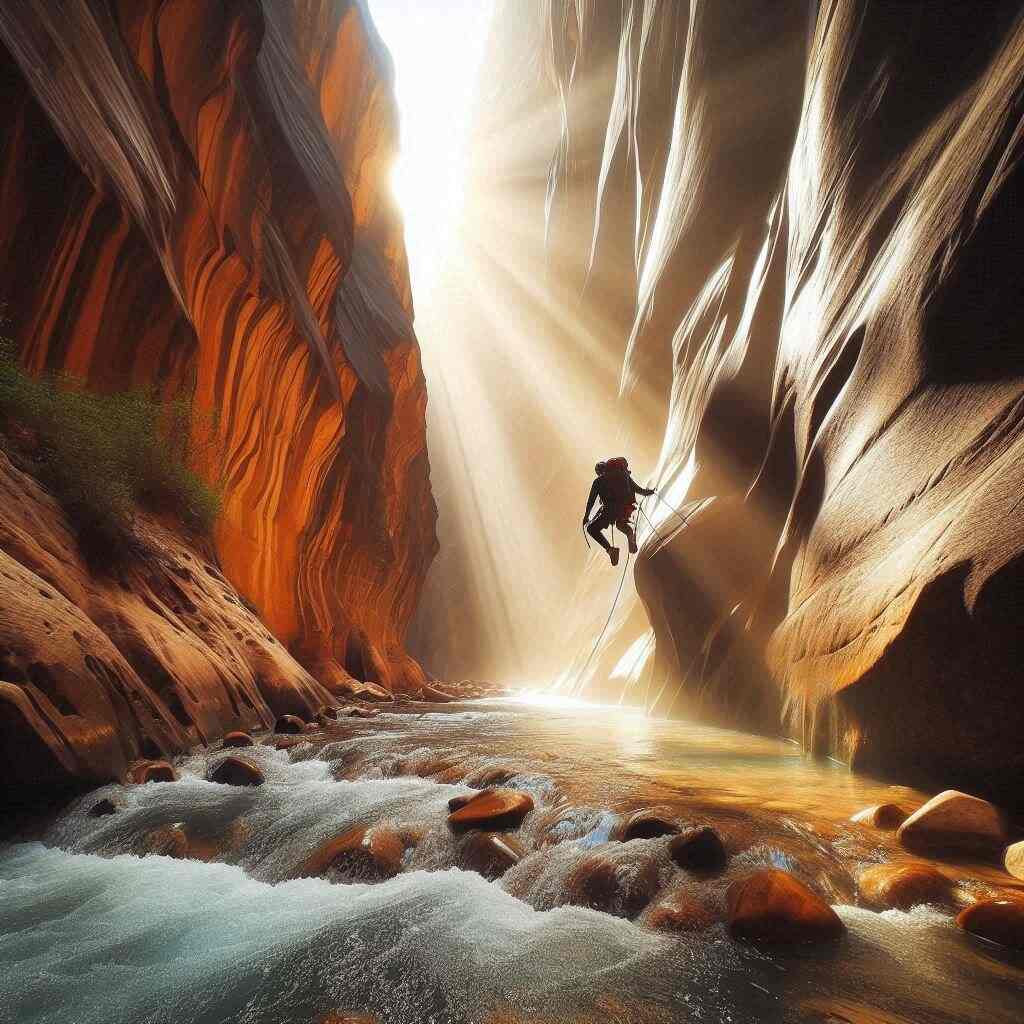
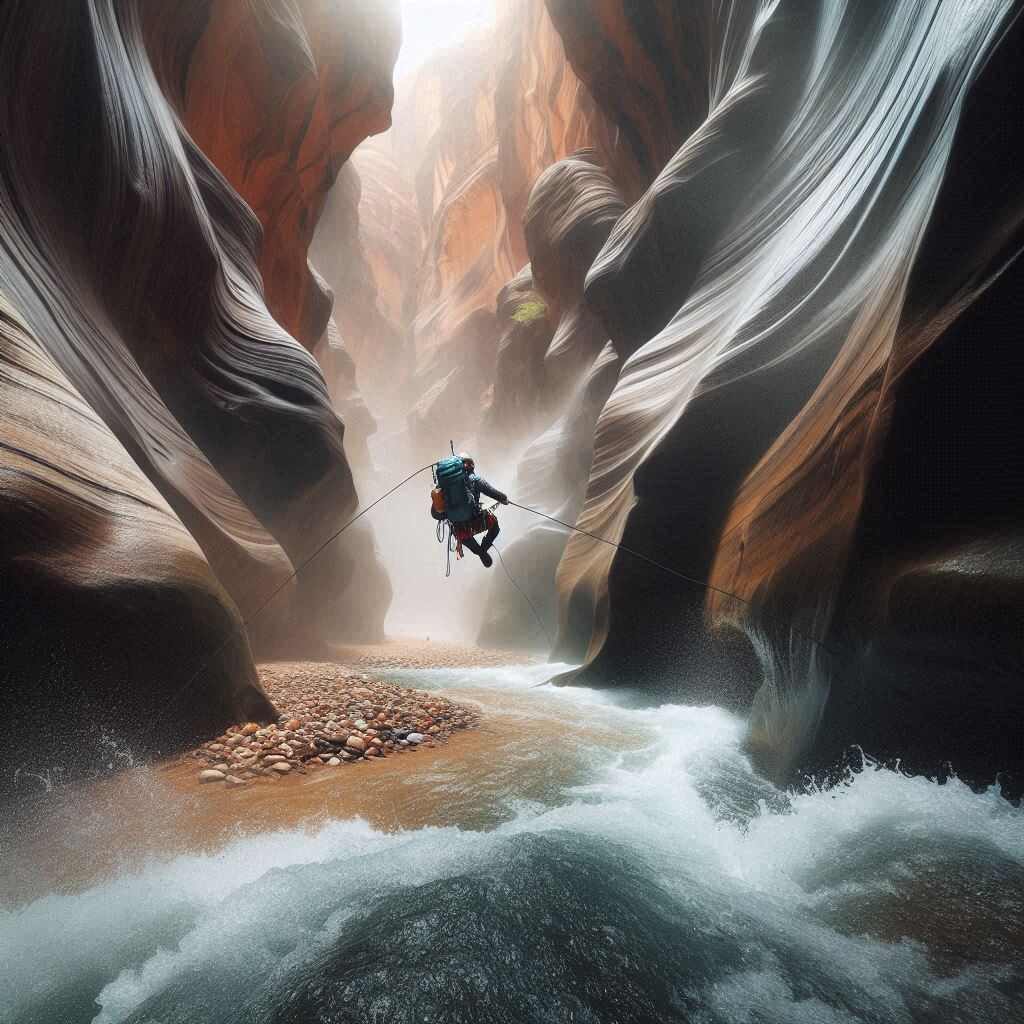
Water Canyon has it all—towering red walls, hidden pools, mossy alcoves, and sculpted sandstone corridors that make you feel like you’re walking through a prehistoric cathedral. The way sunlight dances off the canyon walls is downright magical.
How Water Canyon compares to other canyoneering spots
Compared to places like The Subway or Pine Creek in Zion, Water Canyon is less trafficked and more intimate. It still packs a punch with its rappels and water features but offers a quieter, more personal adventure.
Preparing for the Adventure
Booking with Zion Mountain School
We booked our full-day trip through Zion Mountain School, a top-notch outfitter based in Springdale. Neither of us had done this before, so having professionals guide us made all the difference. Trust us—you want someone who knows their knots.
What to expect before the expedition
Expect paperwork, gear fittings, a safety talk, and lots of anticipation. You’ll sign waivers, pick out your helmet, harness, and wetsuit, and meet your guide who becomes your best friend for the day.
Gear and safety orientation
From carabiners to rappel devices and thick ropes, there’s a lot that goes into a safe canyoneering trip. We got a crash course in knot tying and how to trust the gear. It’s a weird feeling dangling off a cliff, but once you do it, you’re hooked (pun intended).
The Journey Begins
Meeting our guide in Springdale
Our guide, Steffan, greeted us at Zion Mountain School with the kind of calm confidence you want in someone who’s about to lead you down cliffs. With his background in geology and love for adventure, we were in expert hands.
The scenic drive through Colorado City
On our way to the canyon, we passed through Colorado City, a community steeped in history—and controversy. The homes, kids in button-ups, and women in pioneer dresses made us feel like we’d stepped into another world.
A glimpse into the FLDS community
Steffan gave us the inside scoop on the Fundamentalist Church of Jesus Christ of Latter-Day Saints, a reclusive community that lives according to old-school Mormon practices. It added an unexpected cultural layer to our adventure.
Hiking into the Canyon
The physical demands of the hike
Getting to the rappelling points wasn’t a walk in the park. It was a moderate uphill hike—totally doable but enough to get your heart rate up. Hiking poles weren’t necessary, but sturdy shoes and water definitely were.
Exploring local geology and history
This wasn’t just a hike—it was a geology lesson. Steffan explained how the Colorado Plateau rose and how erosion carved out these wild canyons. Every twist and turn had a story millions of years old.
Spotting desert varnish and Moqui marbles
We geeked out over desert varnish, the dark sheen on canyon walls formed by water and minerals, and Moqui marbles, iron balls that get squeezed out of sandstone like Earth’s own gumball machine. Fascinating stuff!
First Rappels and Canyon Navigation
Learning the ropes—literally!
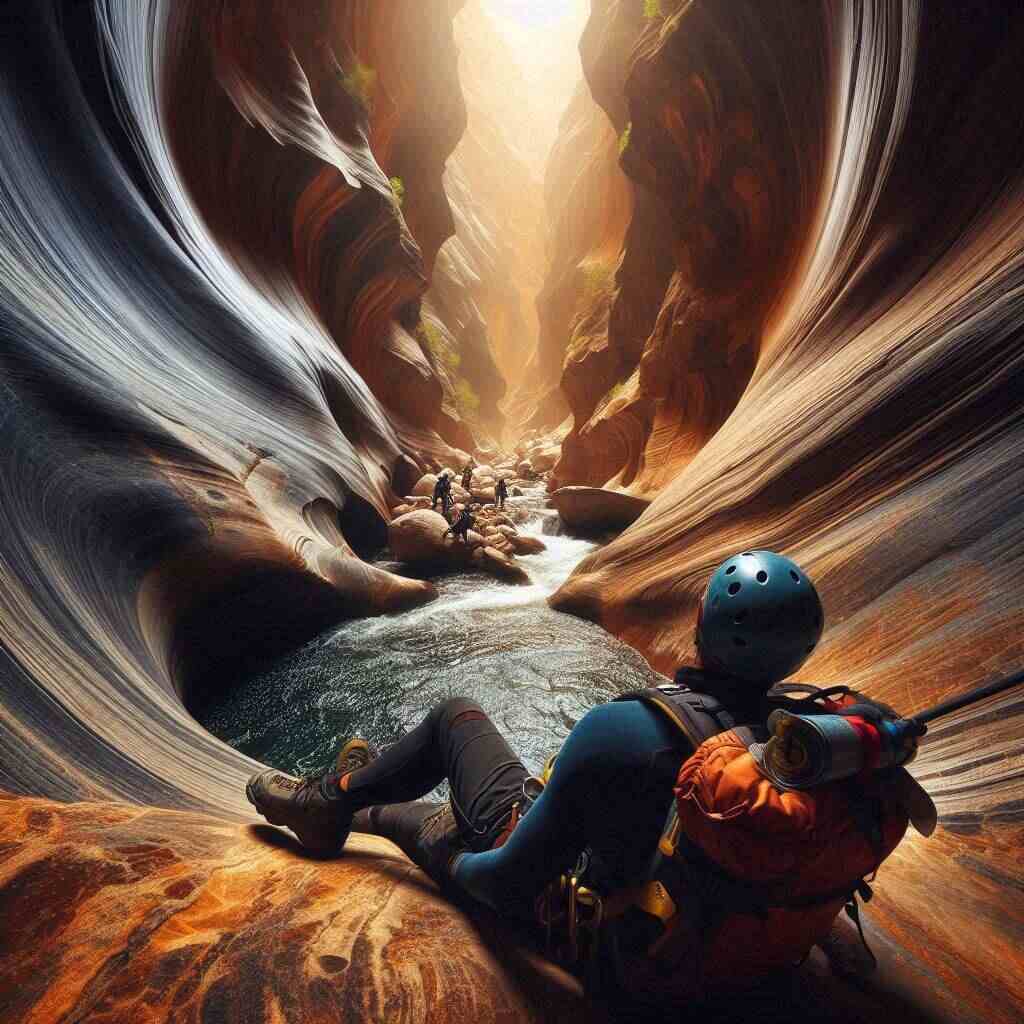
Standing at the edge of a cliff with a rope tied to your waist is nerve-wracking. But once Steffan showed us how to rappel and we took that first descent, we were hooked. The thrill of stepping backward into open air is like nothing else.
Tackling the first big drop
Our first rappel was around 75 feet—high enough to make your palms sweat, low enough to feel safe with guidance. Getting to the bottom? Instant confidence boost.
Adrenaline, nerves, and exhilaration
It’s a mix of fear and excitement, kind of like jumping off a high diving board for the first time. And by the time you land on solid ground, you’re ready to go again.
The Water Rappel Experience
Slipping into wetsuits
Water Canyon earns its name. For the next rappel, we squeezed into wetsuits, which—let’s be real—are never flattering, but absolutely necessary.
The chilly plunge
We slid down a short waterfall and landed in a pool of ice-cold canyon water. It was shocking, invigorating, and maybe the coldest thing I’ve felt in years. Cue the screaming and awkward dog paddling.
Why one water dunk was enough!
Let’s just say one dunk was plenty. The water wasn’t the crystal-clear kind you see in brochures. It was brown, twig-filled, and probably a germ buffet—but it made for a great story.
Continuing the Descent
Navigating narrow canyons
We wove through tight slots and down slick rock faces, using tree anchors and natural ledges. The rappels kept getting more fun—and more beautiful.
Epic views and unexpected challenges
Each descent opened up new vistas, from high canyon walls to hidden grottos. One tricky rappel involved bracing against both walls of a narrow chute—like Spider-Man, but with more grunting.
The SWAT-style final rappel
Our grand finale was a free-hanging rappel down a sheer rock face. Feet dangling, rope swaying—it felt straight out of a Mission Impossible scene. We probably didn’t look that cool, but hey, we felt like action stars.
The Magic of Water Canyon
Why it’s unforgettable
Between the geology, the physical challenge, and the sense of discovery, Water Canyon was unforgettable. It was hands-on, full-body exploration in the truest sense.
What makes this canyon different
It’s lesser-known, quieter, and more intimate than the big-name Zion routes. And that made it even more special.
The satisfaction of overcoming fears
There’s something empowering about doing something that scares you. At the end of the day, we were proud, dirty, and completely hooked on canyoneering.
Final Thoughts and Recommendations
Who should try canyoneering?
Anyone who loves nature, craves adventure, and isn’t afraid of heights should give it a go. You don’t need to be super experienced—just willing and curious.
Tips for first-timers
- Bring snacks and water
- Wear quick-dry layers
- Trust your guide
- Don’t overthink it—just lean back and go!
Why Zion Mountain School rocks
From the moment we arrived to the final high-five, Zion Mountain School delivered an unforgettable experience. Our guide was knowledgeable, patient, and fun—everything you want on a trip like this.
Conclusion
Canyoneering in Water Canyon was one of the most thrilling, enlightening, and downright fun things we’ve done in the wild. From cold-water plunges to epic rappels, it challenged our bodies and fed our souls. Whether you’re a geology nerd, an adrenaline junkie, or someone just looking for a new way to explore Utah’s stunning landscapes, Water Canyon should be on your bucket list.
FAQs
1. What should I bring for canyoneering in Water Canyon?
Wear moisture-wicking clothes, sturdy shoes, and bring water, snacks, sunscreen, and a change of dry clothes. Your outfitter will provide technical gear.
2. Is canyoneering safe for beginners?
Yes! With a reputable guide, even total beginners can enjoy it safely. Just be honest about your comfort level and fitness.
3. How long is the trip?
A full-day trip usually lasts 7–9 hours, including hiking, rappelling, and travel to/from the canyon.
4. Do I need to know how to swim?
Basic swimming helps but isn’t essential. You’ll wear a wetsuit and can float or doggy-paddle if needed.
5. Can I go canyoneering without a guide?
Only if you’re very experienced with technical climbing, rappelling, and route-finding. For most people, hiring a guide is the safest bet.