
Dividend Investing Strategy for Passive Income
If you want to build reliable passive income without constantly trading stocks or chasing trends, a dividend investing strategy for passive income can help you create steady cash flow and long-term wealth.
Many people work for decades but never build income that works for them. Dividend investing changes that. When you invest in dividend-paying companies, those companies share their profits with you—usually every quarter. Over time, those payments can grow into a powerful income stream.
In this guide, I will show you:
- What dividend investing really means
- The best dividend investing strategies
- How to build a dividend portfolio step-by-step
- How much money do you need
- Risks to avoid
- A sample portfolio you can model
Let’s start from the foundation.
What Is Dividend Investing?


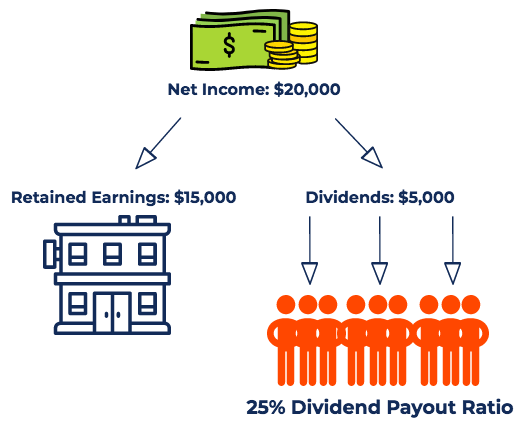
When you buy a stock, you own a small piece of a company. Some companies share part of their profits with shareholders. They call this payment a dividend.
Companies like Coca-Cola, Johnson & Johnson, and Procter & Gamble have paid dividends for decades.
How Dividends Work
Let’s say:
- You own 100 shares of a company.
- The company pays $1 per share annually.
- You earn $100 per year in dividends.
If the company increases the dividend to $1.20 next year, your income rises automatically.
That is the beauty of dividend investing. You earn income without selling your shares.
What Is Dividend Yield?
Dividend yield shows how much income you earn compared to the stock price.
Formula:
Dividend Yield = Annual Dividend ÷ Stock Price
If a $50 stock pays $2 per year:
$2 ÷ $50 = 4% dividend yield
This means you earn 4% annually in cash income (excluding stock growth).
Why Dividend Investing Works for Passive Income
Dividend investing works because it combines three powerful forces:
- Cash flow
- Compounding
- Long-term growth
1. You Create Regular Income
Most dividend stocks pay quarterly. Some even pay monthly. This gives you predictable income without selling assets.
2. You Benefit from Compounding
When you reinvest dividends, you buy more shares. More shares generate more dividends. This cycle accelerates wealth growth.
3. You Reduce Emotional Trading
Dividend investors focus on income and stability. They don’t panic during market drops because income often continues.
Dividend Investing vs Growth Investing
| Feature | Dividend Investing | Growth Investing |
|---|---|---|
| Cash Flow | Yes | No |
| Stability | Higher | Lower |
| Income Focus | Yes | No |
| Volatility | Moderate | High |
If your goal is passive income, dividend investing usually makes more sense.
3 Powerful Dividend Investing Strategies
Let’s explore the most effective approaches.
1. High-Yield Dividend Strategy

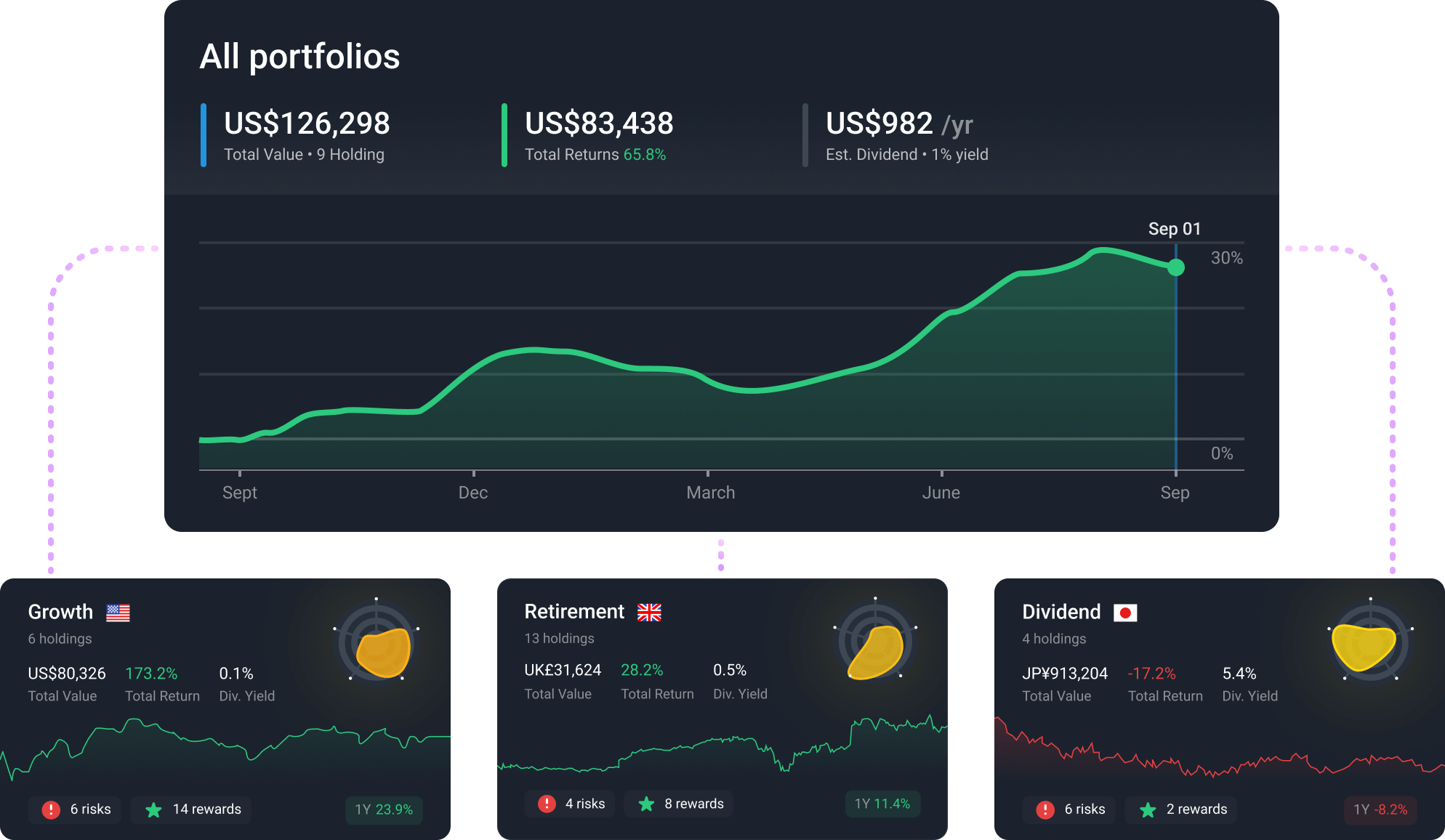
This strategy focuses on stocks with high dividend yields (5%–8% or more).
Why Investors Choose It
- Immediate higher income
- Faster cash flow
- Suitable for retirees
Risks
- High yield can signal trouble
- The company may cut dividends
- Slower growth
Use this strategy carefully. Always check:
- Payout ratio (should stay below 70% for most companies)
- Earnings stability
- Debt levels
2. Dividend Growth Strategy
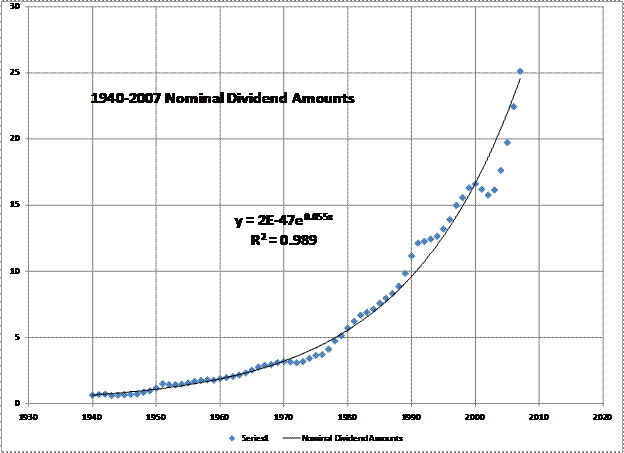
This strategy targets companies that increase dividends every year.
Examples include:
- Microsoft
- Apple
- PepsiCo
These companies may offer lower initial yields (2–3%), but they grow dividends consistently.
Why This Strategy Wins Long-Term
- Dividend increases beat inflation
- Companies stay financially strong
- Share prices often grow
Over 10–20 years, dividend growth often outperforms high-yield chasing.
3. Dividend Reinvestment Strategy (DRIP)

A Dividend Reinvestment Plan (DRIP) automatically reinvests dividends into more shares.
Instead of taking $100 cash, you buy additional stock.
This creates a snowball effect:
- More shares
- More dividends
- Even more shares
If you invest for 15–25 years, compounding becomes extremely powerful.
Step-by-Step Dividend Investing Strategy
Now let’s build your strategy.
Step 1: Set a Clear Income Goal
Decide your target.
Example:
- $500 per month
- $1,000 per month
- $3,000 per month
Clear goals help you calculate the required capital.
Step 2: Choose a Brokerage Account
Select a reliable brokerage with:
- Low fees
- Dividend reinvestment option
- Easy portfolio tracking
Avoid platforms with high trading commissions.
Step 3: Screen Dividend Stocks
Use filters:
- Dividend yield: 2%–6%
- Payout ratio: under 70%
- 5-year dividend growth: positive
- Strong earnings
Focus on quality first.
Step 4: Diversify Across Sectors
Never put all your money in one industry.
Spread across:
- Utilities
- Consumer staples
- Healthcare
- Financials
- Energy
Diversification protects income.
Step 5: Reinvest Dividends
If you don’t need income now, reinvest everything.
Reinvestment accelerates growth dramatically.
Step 6: Review Annually
Once per year:
- Check earnings growth
- Confirm dividend sustainability
- Remove weak performers
Avoid over-monitoring daily prices.
How Much Money Do You Need?
Let’s calculate realistically.
Goal: $1,000 per month
That equals $12,000 per year.
If your average yield is 4%:
$12,000 ÷ 0.04 = $300,000
So you need approximately $300,000 invested to earn $1,000 monthly at 4%.
If yield is 5%:
$12,000 ÷ 0.05 = $240,000
Start small and grow consistently. You don’t need all capital immediately. Regular investing builds momentum.
Risks of Dividend Investing
Dividend investing feels safe, but you must manage risks.
1. Dividend Cuts
Companies reduce dividends during financial trouble.
Example: During recessions, some energy companies cut payouts.
Solution:
- Avoid companies with high debt
- Check payout ratio
2. Value Traps
A stock may look cheap with 9% yield but face declining profits.
Always review earnings trends.
3. Inflation Risk
If dividends grow slowly, inflation reduces real income.
Choose companies that increase dividends annually.
4. Over-Concentration
Never rely on one stock for most income.
Diversify to reduce income shock.
Best Sectors for Dividend Investors
Utilities
Stable demand and predictable cash flow.
REITs (Real Estate Investment Trusts)
They must distribute most profits as dividends.
Consumer Staples
People always buy essentials.
Healthcare
Aging populations increase demand.
Energy
Oil and gas firms often pay strong dividends.
Diversify across these sectors for balanced income.
Sample Dividend Portfolio Allocation
Here’s a balanced example:
- 40% Dividend Growth Stocks
- 25% High-Quality High-Yield Stocks
- 20% REITs
- 10% International Dividend Stocks
- 5% Cash Buffer
This mix provides income, growth, and safety.
Long-Term Wealth Projection Example
Let’s say:
- You invest $1,000 monthly
- Average return: 8%
- Dividend reinvested
- Time horizon: 20 years
You could build over $500,000 with consistent investing.
That portfolio could generate $20,000–$25,000 annually in dividends at a 4–5% yield.
Consistency beats timing.
Common Mistakes to Avoid
- Chasing extremely high yields
- Ignoring company fundamentals
- Selling during market panic
- Failing to reinvest early
- Overtrading
Focus on long-term income growth.
Is Dividend Investing Right for You?
Dividend investing works best if:
- You want passive income
- You prefer lower volatility
- You invest long-term
- You value steady growth
It may not suit traders who seek quick gains.
Final Thoughts: Build Passive Income with Strategy
A smart dividend investing strategy for passive income can transform your financial future.
You don’t need to predict the market.
You don’t need to trade daily.
You need patience, discipline, and quality companies.
Start small.
Reinvest consistently.
Diversify wisely.
Review annually.
Over time, your dividend income can grow into a reliable financial engine that supports your lifestyle, retirement, or financial freedom goals.
If you stay consistent for 10–20 years, dividend investing can move you from working for money to letting money work for you.
FAQs
1. What is a dividend investing strategy for passive income?
A dividend investing strategy for passive income focuses on buying stocks that regularly pay dividends. Investors earn consistent cash flow while holding shares long term. Over time, reinvesting dividends can significantly increase total returns and income stability.
2. How much money do I need to start dividend investing?
You can start dividend investing with a small amount, even $100. Many brokerages allow fractional shares. The key is consistency. Invest regularly, reinvest dividends, and gradually grow your portfolio to build meaningful passive income.
3. What is a good dividend yield for beginners?
A good dividend yield typically ranges between 2% and 5%. Extremely high yields may signal financial trouble. Beginners should focus on stable companies with sustainable payouts and steady earnings growth instead of chasing unusually high returns.
4. Are dividend stocks safer than growth stocks?
Dividend stocks are generally more stable because established companies often pay them. However, no stock is completely safe. Market downturns, earnings declines, or economic crises can still affect dividend payments and stock prices.
5. What is dividend reinvestment (DRIP)?
Dividend reinvestment means using your dividend payments to buy more shares automatically. This strategy increases your ownership over time and accelerates compounding. It works especially well for long-term investors who do not need immediate cash income.
6. Can companies reduce or stop paying dividends?
Yes, companies can cut or suspend dividends during financial hardship. Investors should monitor payout ratios, debt levels, and earnings performance. Diversifying across multiple sectors also reduces the impact of a single company’s dividend cut.
7. How often do dividend stocks pay income?
Most dividend stocks pay quarterly. Some companies pay monthly, while a few pay annually or semi-annually. Payment frequency depends on company policy, but consistency and long-term growth matter more than payment timing.
8. Should I focus on high-yield or dividend growth stocks?
High-yield stocks provide immediate income, while dividend growth stocks increase payouts over time. Long-term investors often combine both strategies to balance steady cash flow with rising income that can beat inflation.
9. Is dividend income taxable?
In many countries, dividend income is taxable. Tax rates vary depending on whether dividends are qualified or ordinary. Investors should consult a tax professional to understand how dividend earnings affect their overall tax situation.
10. How long does it take to build meaningful passive income from dividends?
Building meaningful dividend income typically takes years of consistent investing and reinvestment. With discipline and long-term focus, investors can gradually grow their portfolio into a reliable income source over 10 to 20 years.