
Does Brass Tarnish? Causes, Prevention & Easy Cleaning
Brass is a beautiful and widely used metal known for its warm golden color, durability, and affordability. It’s commonly found in jewelry, home décor, musical instruments, hardware, and antique items. But one of the most frequently asked questions about this metal is: Does brass tarnish?
The short answer is yes, brass does tarnish over time. However, the reasons, speed, and appearance of tarnish depend on several factors such as environment, exposure, and maintenance. In this complete guide, we’ll explore why brass tarnishes, how long it takes, how to prevent it, and how to clean tarnished brass effectively.
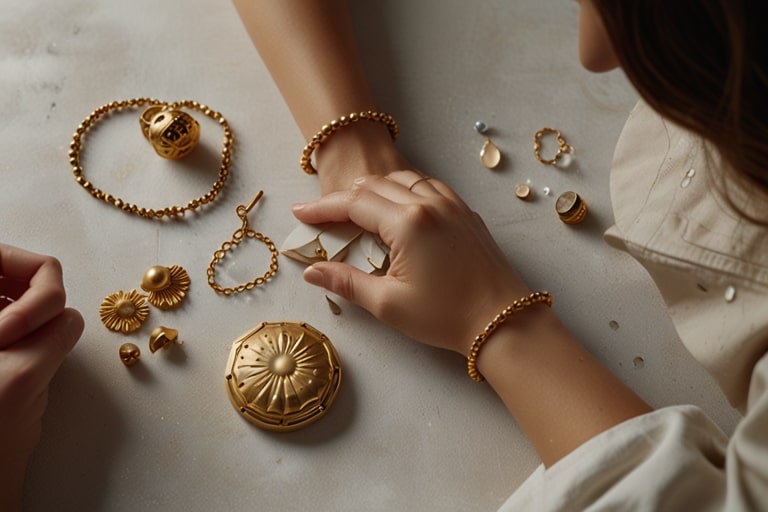
This article is designed to give you a complete understanding of brass tarnishing, whether you own brass jewelry, decorative items, or functional pieces.
Does Brass Tarnish? The Simple and Honest Answer
Yes, brass does tarnish naturally. Tarnishing is a chemical reaction that occurs when brass comes into contact with air, moisture, and other environmental elements. Over time, the shiny golden surface of brass slowly dulls and darkens.
Unlike rust on iron, brass tarnish does not damage the metal structurally. It only affects the appearance. Many people mistake tarnish for poor quality, but in reality, it is a natural and expected process for brass.
Some people even appreciate tarnished brass for its vintage or antique look, while others prefer to keep brass polished and shiny.
What Is Brass Made Of and Why Does It Tarnish Over Time?
To understand why brass tarnishes, it’s important to know what brass is made of.
Brass is an alloy composed mainly of:
- Copper
- Zinc
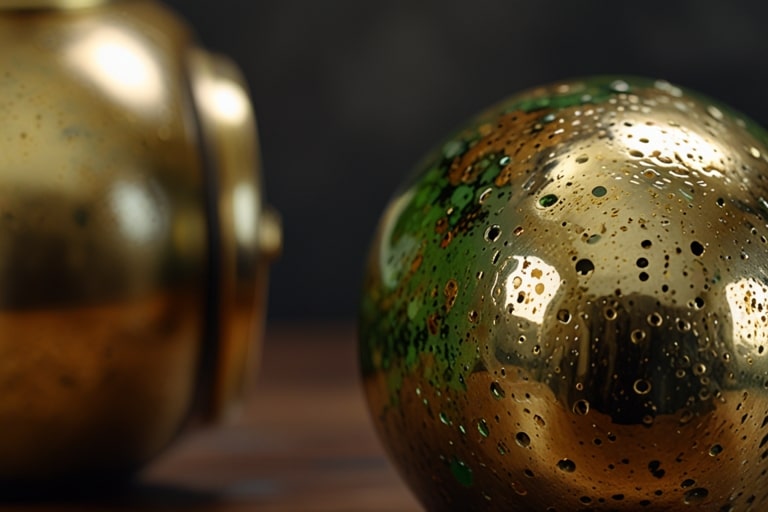
Copper is the key reason brass tarnishes. When copper reacts with oxygen, moisture, sulfur, or acids in the air, it forms a thin surface layer called oxidation. This layer causes brass to change color.
As this oxidation continues:
- Brass may turn brown
- Develop dark spots
- Or form a greenish patina in extreme conditions
The zinc in brass helps slow corrosion, but it does not completely stop tarnishing.
What Causes Brass to Tarnish Faster?
Although brass naturally tarnishes over time, some factors can speed up the process significantly.
Common causes of fast brass tarnishing include:
Air and humidity
High-humidity environments accelerate oxidation, especially in coastal or tropical areas.
Water exposure
Frequent contact with water, especially saltwater, speeds up tarnishing.
Skin contact
Oils, sweat, and acids from human skin react with brass, especially in jewelry.
Chemicals
Perfume, lotions, cleaning agents, and household chemicals increase tarnish.
Pollution and sulfur
Air pollution and sulfur compounds in the environment cause darker tarnish.
How Long Does It Take for Brass to Tarnish Naturally?
The time it takes for brass to tarnish depends on usage and environment.
- Unused brass indoors: May take several months to show visible tarnish
- Brass jewelry worn daily: Tarnish can appear within weeks
- Outdoor brass items: Tarnish can develop within days or weeks
- High-humidity areas: Faster tarnishing than dry climates
Some brass items are coated with a clear lacquer, which can delay tarnishing for years. Once the coating wears off, tarnishing begins.
Does Brass Tarnish Indoors vs Outdoors? Key Differences Explained
Yes, brass tarnishes much faster outdoors than indoors.
Indoor brass:
- Less exposure to moisture and pollution
- Tarnishes slowly
- Easier to maintain with occasional polishing
Outdoor brass:
- Exposed to rain, humidity, pollution, and temperature changes
- Develops dark tarnish or green patina quickly
- Requires frequent maintenance or protective coatings
That’s why outdoor brass fixtures often look aged faster than indoor décor.
Does Brass Tarnish When Exposed to Water, Sweat, or Perfume?
Absolutely. These are some of the biggest causes of tarnish, especially for brass jewelry.
- Water: Leaves mineral deposits that trigger oxidation
- Sweat: Contains salts and acids that react with copper
- Perfume and lotions: Chemicals accelerate tarnishing
This is why brass rings, bracelets, and necklaces tarnish faster when worn regularly. Removing brass jewelry before showering or applying perfume can significantly slow tarnish.
How to Prevent Brass from Tarnishing: Proven Protection Methods
While tarnishing can’t be stopped completely, it can be greatly reduced.
Effective ways to prevent brass tarnishing:
- Store brass in dry, airtight containers
- Use anti-tarnish strips or silica gel
- Apply a clear lacquer or wax coating
- Avoid exposure to water and chemicals
- Wipe brass items after use with a soft cloth
- Remove brass jewelry before bathing or exercising
Proper care can keep brass shiny for years.
How to Clean Tarnished Brass at Home (Safe & Effective Ways)
If brass has already tarnished, the good news is that it’s easy to clean.
Simple home cleaning methods:
Lemon and baking soda
Creates a gentle acidic paste to remove tarnish.
Vinegar and salt
Breaks down oxidation effectively.
Soap and warm water
Good for light tarnish and regular maintenance.
Commercial brass cleaners
Best for heavily tarnished items, but should be used carefully.
Always dry brass thoroughly after cleaning to prevent future tarnish.
Is Tarnished Brass Harmful or Just a Cosmetic Issue?
Tarnished brass is not harmful in most cases. Tarnish only affects the surface appearance and does not weaken the metal.
However:
- Some people may experience skin discoloration from brass jewelry
- Prolonged exposure to moisture may cause deeper oxidation
- Decorative items may lose visual appeal if not cleaned
For most users, tarnish is a cosmetic issue, not a safety concern.
Brass vs Other Metals: Does Brass Tarnish More Than Gold, Silver, or Copper?
Compared to other metals:
- Gold: Does not tarnish
- Silver: Tarnishes faster than brass
- Copper: Tarnishes faster and turns green
- Stainless steel: Does not tarnish
Brass sits in the middle — more durable than silver and copper, but not as resistant as gold or steel.
FAQs
1. Does brass tarnish permanently?
No, brass tarnish is not permanent. It can be cleaned and polished easily.
2. Does brass tarnish in water?
Yes, prolonged exposure to water accelerates tarnishing.
3. Does brass tarnish faster than silver?
No, silver usually tarnishes faster than brass.
4. Does brass tarnish green?
Yes, brass can develop a green patina due to copper oxidation.
5. Does brass tarnish on skin?
Yes, sweat and oils from skin can cause tarnish and discoloration.
6. Does lacquered brass tarnish?
Lacquered brass tarnishes much more slowly until the coating wears off.
7. Does brass tarnish in humid climates?
Yes, high humidity significantly speeds up tarnishing.
8. Does brass tarnish if not used?
Yes, even unused brass tarnishes when exposed to air.
9. Does antique brass tarnish differently?
Antique brass often develops a darker, more even patina over time.
10. Does polishing remove brass tarnish completely?
Yes, proper polishing can restore brass to its original shine.