Does Stainless Steel Tarnish? A Deep and Complete Explanation for Everyday Users
Stainless steel has become a part of modern life. From the moment you wake up to the time you sleep, you interact with stainless steel in one form or another. It is in your kitchen, bathroom, accessories, electronics, tools, and even medical equipment. Because of this wide use, people naturally expect stainless steel to stay shiny and strong forever.
Still, one question keeps appearing again and again on search engines: Does stainless steel tarnish?
To fully understand this, we must look beyond simple yes-or-no answers. Stainless steel is a smart material, but like everything else, it reacts to its environment. The key point is how it reacts and how much it changes over time.
Why People Think Stainless Steel Tarnishes
Many people believe stainless steel tarnishes because they notice changes on its surface. These changes might include dullness, fingerprints, water spots, or light discoloration. Without proper knowledge, these surface issues are often mistaken for tarnish.
In reality, stainless steel behaves differently from metals that truly tarnish. Most of the changes people notice are temporary and reversible. Understanding this difference helps users make better decisions when buying and caring for stainless steel products.
The Science Behind Stainless Steel Resistance
Stainless steel is designed to protect itself. This is not marketing language; it is real science. The chromium content inside stainless steel reacts with oxygen in the air and forms a protective shield. This shield is invisible but extremely effective.
This protective layer prevents oxygen, moisture, and harmful substances from reaching the metal underneath. Even if the surface is scratched, the chromium reacts again and repairs the layer on its own. This self-protecting behavior is the main reason stainless steel does not tarnish like other metals.
Does Stainless Steel Change Color Over Time?
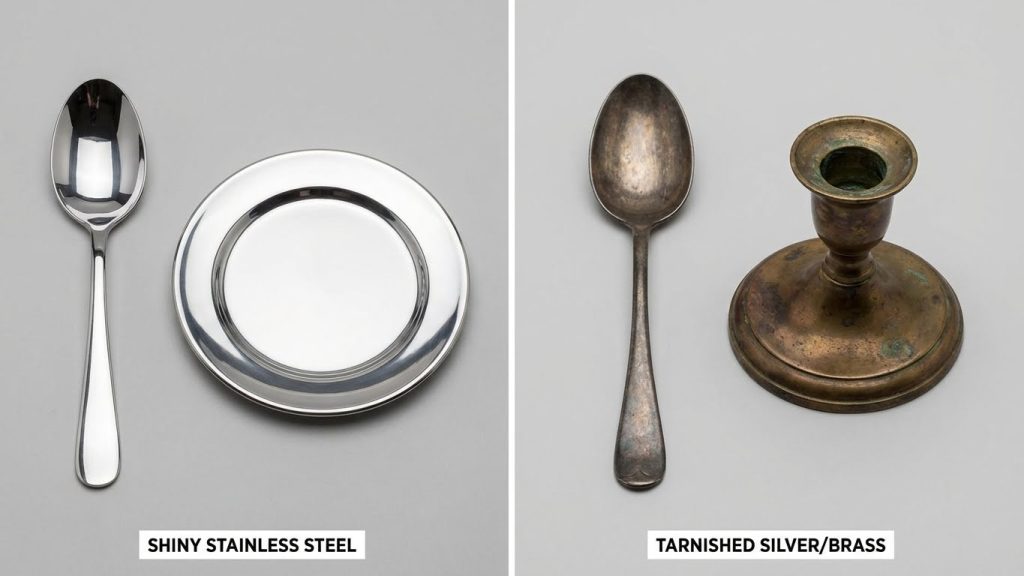
In normal daily use, stainless steel keeps its color very well. It does not turn green like copper, black like silver, or reddish like iron. However, in certain situations, slight color changes may appear.
These color changes are usually caused by heat, chemicals, or residue buildup. For example, stainless steel cookware exposed to very high heat may develop rainbow-like stains. These stains are not tarnish and do not damage the metal. They can often be removed with proper cleaning.
Effect of Heat on Stainless Steel Appearance
Heat plays an important role in how stainless steel looks. When exposed to high temperatures, especially in kitchens or industrial environments, stainless steel may show discoloration.
This discoloration is often misunderstood as tarnish. In reality, it is a surface reaction caused by heat, altering the thickness of the protective oxide layer. The metal remains strong and safe to use, and the appearance can often be improved with polishing or cleaning.
Stainless Steel in Kitchens and Homes
In homes, stainless steel is mostly used in kitchens. Sinks, stoves, refrigerators, and utensils are commonly made from it. These areas are exposed to water, food, oils, and cleaning products every day.
Despite constant exposure, stainless steel rarely tarnishes. When it looks dull or stained, the reason is usually soap residue, food particles, or hard water minerals. Regular cleaning keeps the kitchen stainless steel looking fresh and clean for years.
Stainless Steel in Bathrooms and Moist Areas
Bathrooms are humid environments where many metals fail. Stainless steel handles, taps, and fittings perform very well in these conditions. Humidity alone does not cause tarnish.
Problems only arise when stainless steel is exposed to harsh cleaners or left dirty for long periods. Even then, the issue is usually surface-level and easy to fix.
Stainless Steel Jewelry and Skin Contact
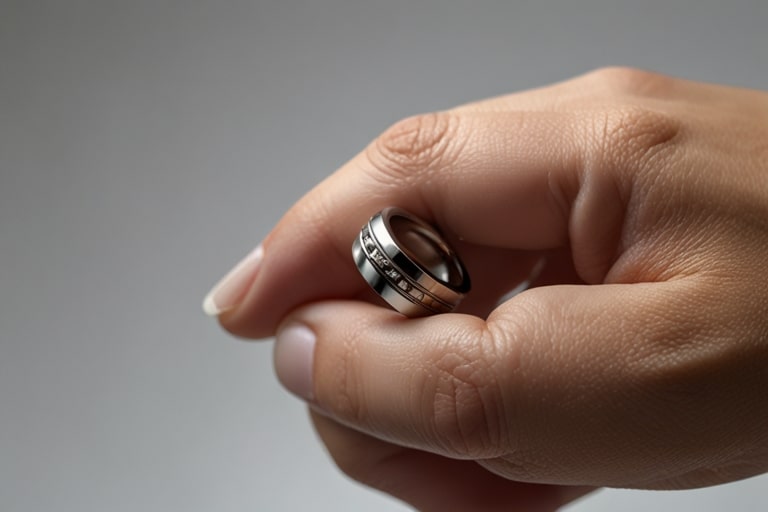
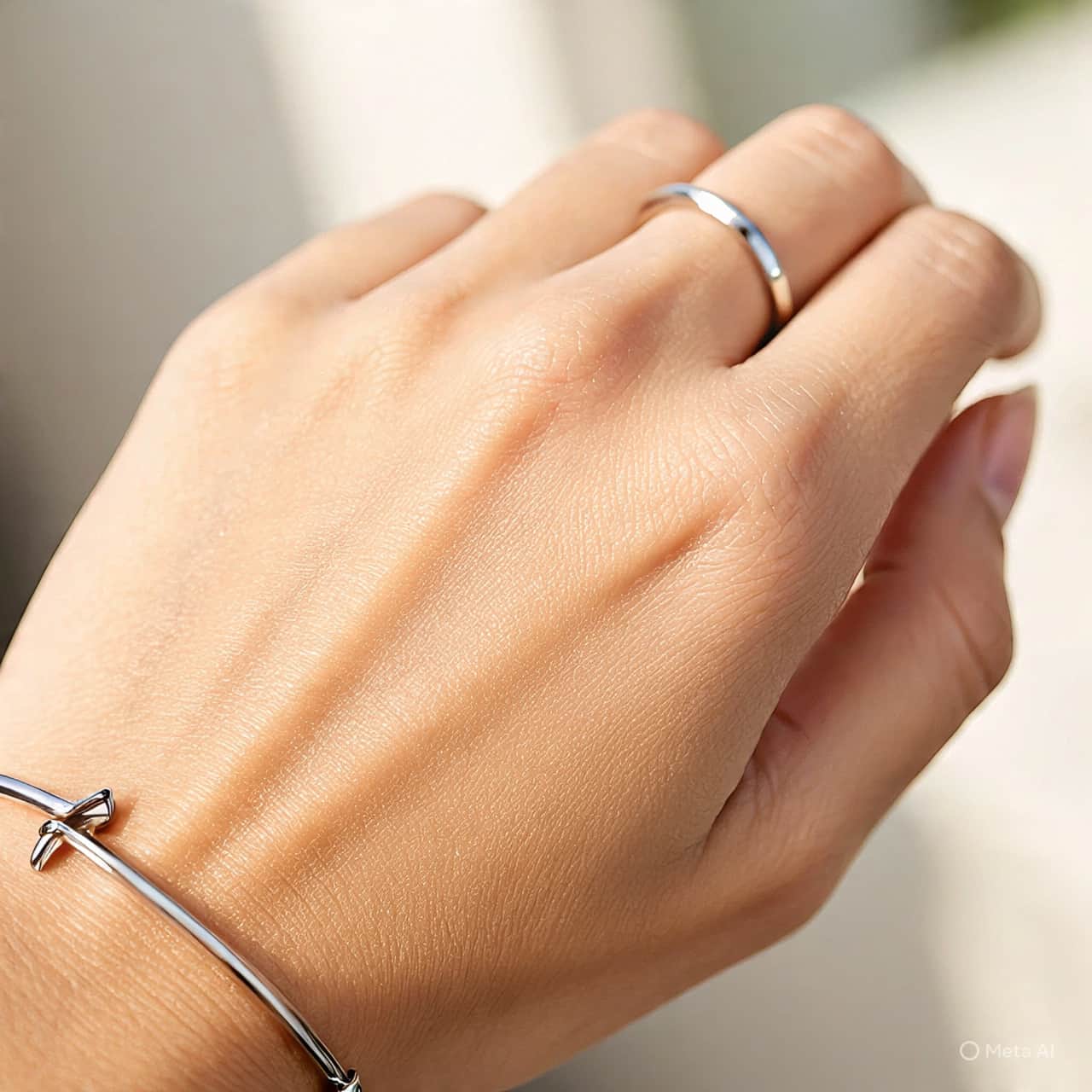
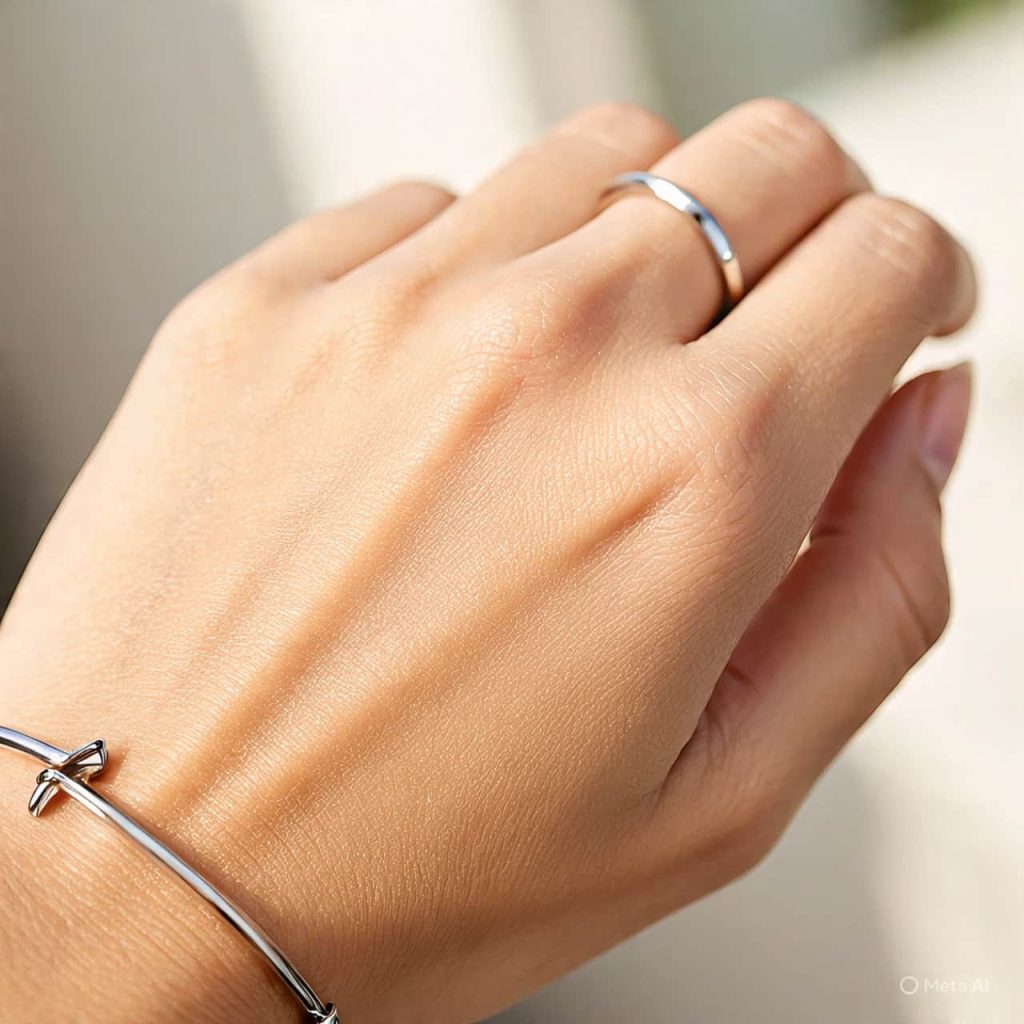
One of the strongest proofs that stainless steel does not tarnish easily is its use in jewelry. Jewelry stays in constant contact with skin, sweat, and air. If stainless steel tarnished easily, it would not be suitable for this purpose.
High-quality stainless steel jewelry keeps its color and shine even after years of use. It does not stain skin and rarely causes allergic reactions. This makes it a favorite choice for people who want stylish accessories without high maintenance.
Why Some Stainless Steel Jewelry Looks Tarnished
When stainless steel jewelry looks dull or dark, it is usually because of dirt buildup. Sweat, lotions, perfumes, and dust slowly collect on the surface. This layer blocks light and reduces shine.
Once cleaned properly, the jewelry often looks brand new again. This proves that the issue was not tarnish, but surface residue.
Environmental Factors That Affect Stainless Steel
The environment plays a role in how stainless steel looks over time. Air pollution, industrial chemicals, and salt-heavy air can affect the surface.
In coastal areas, salt particles in the air may settle on stainless steel surfaces. If not cleaned regularly, these particles can cause minor surface changes. High-grade stainless steel handles these environments much better than low-grade versions.
Does Stainless Steel Tarnish Outdoors?
Outdoor use exposes stainless steel to sunlight, rain, dust, and pollution. Even under these conditions, stainless steel performs well.
Outdoor stainless steel may lose some shine over time, but this is normal aging, not tarnish. Proper cleaning and occasional polishing help maintain its appearance.
How Quality Affects Tarnish Resistance
Quality is one of the most important factors when discussing tarnish. Not all products labeled as stainless steel offer the same performance. Some low-cost items use lower chromium content, which reduces resistance.
High-quality stainless steel lasts longer, looks better, and resists tarnish more effectively. This is why professional kitchens, hospitals, and industries invest in higher grades of stainless steel.
Maintenance Habits That Make a Big Difference
Stainless steel does not need much care, but small habits can make a big difference. Regular wiping, gentle cleaning, and avoiding harsh chemicals help preserve the protective layer.
Neglecting stainless steel does not usually cause tarnish, but it can make the surface look old and worn. Simple care keeps it looking modern and clean.
Long-Term Durability of Stainless Steel
One of the biggest advantages of stainless steel is its long lifespan. Many stainless steel products last for decades without losing functionality or appearance.
This long life proves that stainless steel is not prone to tarnish or serious surface damage. Even when exposed to challenging conditions, it remains reliable.
Stainless Steel in Medical and Professional Use
Hospitals and laboratories rely heavily on stainless steel. These environments require materials that stay clean, stable, and non-reactive.
If stainless steel tarnished easily, it would not be suitable for medical tools and surfaces. Its continued use in such critical areas shows its high resistance to chemical reactions and surface changes.
Is Stainless Steel a Good Choice for Daily Life?
For daily use, stainless steel is one of the best materials available. It offers strength, beauty, and reliability without demanding constant care.
People who want products that look good for a long time often choose stainless steel because it does not behave like metals that tarnish quickly.
Final Thoughts on Stainless Steel Tarnishing
After understanding how stainless steel works, the answer becomes very clear. Stainless steel is designed to resist tarnish. While it may experience surface dullness or minor discoloration in certain situations, these changes are temporary and easy to fix.
True tarnish, like that seen in silver or copper, is extremely rare in stainless steel. With basic care and good-quality material, stainless steel remains shiny and strong for many years.
Final Answer: Does Stainless Steel Tarnish?
Stainless steel does not tarnish in normal use.
It may lose shine due to dirt or residue, but it does not suffer from true tarnish.
This is why stainless steel remains one of the most trusted and widely used materials in the world.