

Federal Workers Return to Office: Key Changes Explained
The topic “federal workers return to office” has become one of the most discussed workplace issues in recent years. After several years of remote and hybrid work, many federal agencies are now asking employees to return to physical offices. This shift has raised questions, concerns, and expectations among both workers and the public.
During the pandemic, remote work became the norm for most federal employees. It helped maintain operations while protecting health and safety. Over time, agencies adapted to virtual collaboration, digital tools, and flexible schedules. However, as conditions changed, leadership began to push for more in-person work.
This article explains why federal workers are returning to the office, how these policies work, what employees should expect, and how this shift may shape the future of federal work. The goal is to provide clear, simple, and up-to-date information in easy language.
Why Are Federal Workers Returning to the Office?
One of the main reasons federal workers return to the office is the belief that in-person work improves collaboration and service delivery. Leaders argue that face-to-face interaction helps teams communicate better and solve problems faster.
Another major factor is accountability and performance. Some managers feel it is easier to guide teams, mentor new employees, and monitor workflows when people work together in the same space. While remote work has proven effective in many cases, leadership wants more balance between flexibility and structure.
Economic reasons also play a role. Federal offices support local economies, especially in city centers. When offices remain empty, nearby businesses such as restaurants, transport services, and shops suffer. Bringing workers back helps revive these areas.
Security and compliance concerns also influence return-to-office policies. Some government work involves sensitive data and secure systems. Agencies believe that office environments provide better control and protection for such tasks.
Overall, the push does not aim to eliminate flexibility. Instead, it focuses on rebalancing work models while maintaining productivity and public trust.
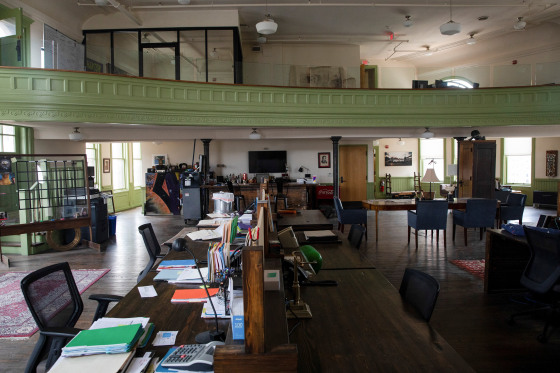
Timeline of the Federal Return-to-Office Push
The journey toward the federal workers’ return to the office did not happen overnight. It followed a clear timeline.
At the start of the pandemic, agencies quickly moved to full remote work. This phase lasted longer than expected and proved that many federal jobs could function outside traditional offices.
As conditions improved, agencies introduced hybrid work models. Employees started coming in one or two days per week. This approach allowed a gradual adjustment without disrupting work-life balance.
More recently, agencies have increased in-office expectations. Some require workers to be present three or more days a week. Others still allow flexibility based on job roles and performance.
The timeline varies by agency, role, and location. Some offices reopened earlier, while others delayed due to space, health, or staffing concerns. This gradual approach shows that the return-to-office effort remains flexible and evolving.
What Federal Employees Need to Know
Understanding current policies helps employees prepare for the change. While rules differ, most agencies now follow a hybrid work structure.
Many federal employees must report to the office two to four days per week. Fully remote roles still exist, but they are less common than before. Agencies review job duties to decide which roles require physical presence.
Employees should also know that attendance tracking has become more formal. Agencies may use badge data or schedules to ensure compliance with office requirements. Clear communication between managers and staff is essential.
Exceptions still apply in many cases. Workers with medical needs, caregiving responsibilities, or approved remote agreements may qualify for flexibility. Employees should review internal policies and speak with supervisors for clarity.
Another key point involves performance. Agencies continue to focus on outcomes, not just presence. However, office attendance now plays a larger role in overall evaluations and team planning.
Challenges of Returning to the Office
The federal workers’ return to the office comes with real challenges. One of the biggest concerns is commuting. Many employees moved farther from offices during remote work periods. Long travel times increase stress and costs.
Work-life balance also remains a concern. Remote work allowed employees to manage family responsibilities more easily. Returning to the office can disrupt routines, especially for parents and caregivers.
Employee morale is another issue. Some workers feel that mandatory office days reduce trust and flexibility. Others worry about productivity loss due to distractions or rigid schedules.
Office readiness also matters. Not all buildings are fully prepared for higher occupancy. Limited parking, outdated layouts, or shared desks can make the transition difficult.
Recognizing these challenges helps agencies improve policies and support employees during this adjustment.
Benefits of Federal Workers Returning to the Office
Despite concerns, the return to the office offers clear benefits. In-person work supports stronger collaboration. Teams can brainstorm quickly, resolve issues face-to-face, and build trust more easily.
Office presence also helps new employees. Training, mentoring, and onboarding work better when experienced staff can guide newcomers in person. This strengthens long-term workforce development.
Another benefit is organizational culture. Offices create shared experiences that remote settings cannot fully replace. Informal conversations and teamwork help employees feel connected to their mission.
Public service quality may also improve. Some services work best when teams coordinate closely. Office environments support faster decision-making and better alignment across departments.
These benefits explain why agencies continue to encourage in-person work, even while keeping some flexibility.
How This Shift Affects the Future of Federal Work
The future of federal work will likely combine office and remote options. The federal workers’ return to office does not mean a full return to old systems. Instead, it signals a new hybrid era.
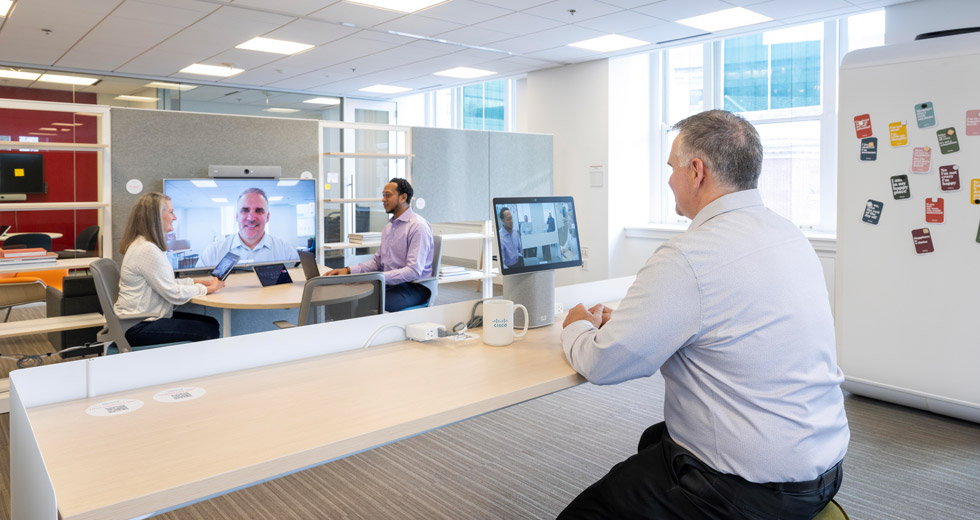
Agencies are rethinking office design. Many spaces now focus on collaboration rather than individual desks. Shared work areas, meeting rooms, and flexible seating are becoming more common.
Technology remains central. Video meetings, cloud systems, and digital workflows still support daily operations. Hybrid work relies on strong digital tools to keep teams connected.
Recruitment strategies may also change. Flexible work options help attract talent, especially younger professionals. Agencies must balance office presence with competitive benefits.
Overall, the future points toward adaptability rather than rigid policies.
Tips for Federal Workers Adjusting to Office Life Again
Adapting to office life takes time, but small steps can help.
Plan your commute wisely. Adjust travel times to avoid peak hours if possible. Use this time to listen to podcasts or audiobooks to reduce stress.
Rebuild routines gradually. Prepare clothes, meals, and schedules in advance to save time during busy mornings.
Stay productive at the office by setting clear goals for each day. Use office days for meetings, collaboration, and tasks that benefit from in-person work.
Communicate openly with your team. Share feedback about schedules and workflows. Open communication builds trust and improves cooperation.
Most importantly, stay flexible. Change takes time, and adjustment is part of the process.
FAQs: Federal Workers Return to Office
Are federal workers required to return to the office full-time?
Most federal workers follow hybrid schedules. Full-time office work depends on job role and agency policy.
Is remote work ending for federal employees?
Remote work continues but on a more limited basis. Agencies now prioritize hybrid models.
How many days per week do federal employees work in the office?
Many agencies require two to four in-office days per week.
Can agencies set their own return-to-office rules?
Yes. Each agency can adjust policies based on mission needs and workforce structure.
Conclusion
The federal workers’ return to the office marks an important shift in government work culture. It reflects lessons learned from remote work while emphasizing collaboration, accountability, and public service.
Although the transition brings challenges, it also offers opportunities for growth, connection, and improved service delivery. Hybrid models continue to evolve, giving agencies room to adjust based on feedback and results.
For federal employees, understanding expectations and preparing for change makes the process smoother. As policies adapt, flexibility and communication will remain key.
The future of federal work is not about choosing office or remote work. It is about finding the right balance that supports employees, agencies, and the public they serve.

