
Grand Canyon Hermit Trail
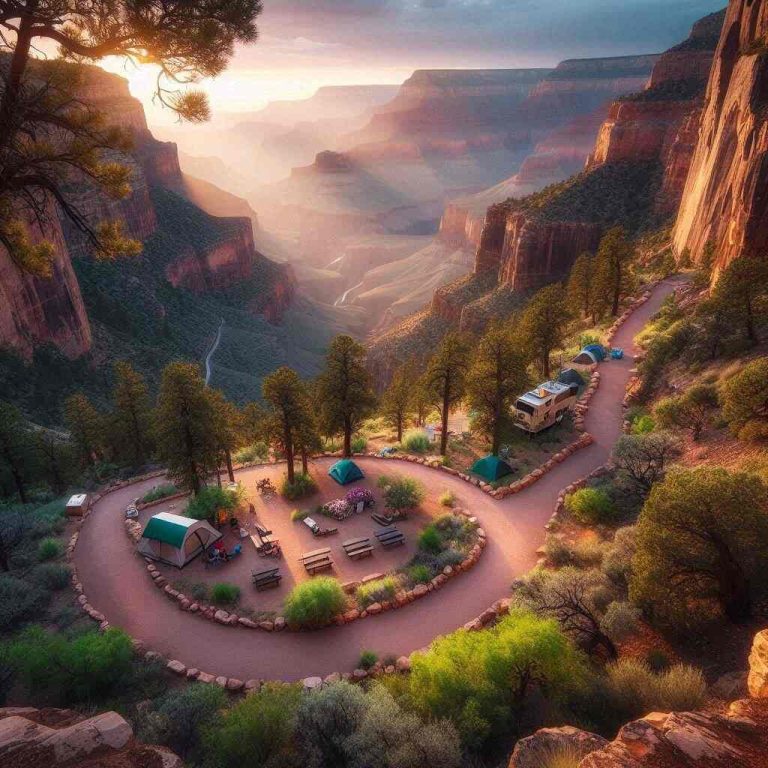
Ever dreamed of escaping the crowds and diving deep into the raw beauty of the Grand Canyon? That’s exactly what the Hermit Trail offers. Nestled on the western side of the South Rim, this rugged and less-traveled trail delivers both solitude and stunning scenery.
Where It’s Located

The Hermit Trail begins at Hermit’s Rest, about 8 miles west of Grand Canyon Village. It’s off the beaten path—literally—and that’s what makes it so special.
What Makes It Unique
Unlike the Bright Angel or South Kaibab Trails, Hermit Trail isn’t maintained to the same polished standard. It’s rough, rocky, and authentic—a true adventurer’s trail.
History of the Hermit Trail

Built for Tourists in the Early 1900s
Believe it or not, the Hermit Trail was originally constructed in 1911 by the Santa Fe Railroad to shuttle tourists to the luxurious Hermit Camp, long before today’s mass tourism.
Connection to Hermit Camp
Although Hermit Camp no longer exists, you can still spot remnants of the past along the trail—old stone walls, abandoned equipment, and ghostly echoes of an early Grand Canyon experience.
Trail Overview

Distance and Difficulty
The Hermit Trail drops over 4,200 feet in about 9 miles to the Colorado River. Most hikers don’t go the full way unless they’re backpacking. It’s considered strenuous, with steep grades and loose footing.
Elevation Gain and Terrain
You’ll face a serious descent—and, of course, the brutal climb back up. The trail varies between exposed rock, crumbling switchbacks, and narrow ledges.
Best Time to Hike
Spring (April-May) and Fall (September-October) offer the best balance of cool temps and clear skies. Summer can be dangerously hot, while winter brings snow to the upper rim.
What to Expect on the Trail
Key Landmarks
- Santa Maria Spring Shelter (1.5 miles in)
- Hermit Creek Campground
- The Redwall Formation
- Hermit Rapids
Geological Features
As you descend, you’ll travel through nearly 2 billion years of Earth’s history. Layers of limestone, sandstone, and shale tell the story of ancient oceans, deserts, and riverbeds.
Flora and Fauna
Watch for blooming cacti, yuccas, and—if you’re lucky—desert bighorn sheep navigating the cliffs like pros.
Essential Tips for Hikers
Safety Considerations
This isn’t a stroll in the park. Falls, heatstroke, and dehydration are real risks. Always hike with a buddy and know your limits.
Packing Essentials
- High-grip hiking boots
- Trekking poles
- 3-4 liters of water per person
- Salty snacks and a hearty lunch
- Maps or GPS (cell service is nonexistent)
Water Sources and Hydration
Hermit Creek may have water, but you must treat it. Don’t rely on springs—they can dry up fast.
Day Hiking vs. Backpacking
Pros and Cons of Each
Day hiking is lighter and quicker, but you’ll miss the magic of a night under the stars. Backpacking offers the full experience but requires more planning and gear.
Permit Requirements
Backcountry camping requires a permit from the Grand Canyon Backcountry Information Center. Plan months in advance—spots fill up fast!
Camping Options Along the Trail
Hermit Creek Campground
About 7 miles in, Hermit Creek Camp is a quiet site near a refreshing creek. It’s the go-to spot for backpackers.
Hermit Rapids Campsite
Another 2 miles down is the more remote Hermit Rapids site, right on the edge of the Colorado River. It’s a tough descent, but the payoff is huge.
Getting to the Hermit Trailhead
Directions and Access
You can’t drive to the trailhead during peak season (March–November). Instead, take the free Hermit Road Shuttle from Grand Canyon Village.
Shuttle Bus Requirements
Board the red route shuttle, which stops at Hermit’s Rest. From there, the trailhead is right near the stone rest house.
Comparing Hermit Trail to Other Grand Canyon Trails
Hermit Trail vs. Bright Angel Trail
Bright Angel is more developed, with water stations and rest houses. Hermit? Wild, quiet, and unfiltered.
Hermit Trail vs. South Kaibab Trail
South Kaibab has epic views but no water or shade. Hermit has a mix—though it’s far less trafficked.
Trail Maintenance and Conditions
Why It’s Considered “Primitive”
Hermit Trail hasn’t been heavily maintained since the 1930s. Erosion, rockfalls, and overgrowth make it a bit of a challenge.
Trail Repair Updates
The NPS does minor repairs as needed, but don’t expect a smooth walk. Check conditions before you go via the official Grand Canyon website.
Photography and Views
Best Photo Spots
- Santa Maria Spring
- Cathedral Stairs
- Below the Redwall
- Hermit Creek sunrise
Sunrise and Sunset Tips
Start early to catch the golden light pouring into the canyon. Sunset on the rim is stunning—but tough to appreciate if you’re still climbing out!
Environmental Impact and Leave No Trace
Minimizing Your Footprint
Stick to the trail, pack out all trash (even food scraps), and never carve into rocks or trees.
Respecting Wildlife
Observe from a distance. Feeding animals—even squirrels—can hurt them and you.
Stories from the Trail
Hiker Experiences
From scaring off a rattlesnake to watching a condor soar above the canyon, Hermit Trail creates unforgettable moments.
Trail Lore and Legends
The trail is named after Louis Boucher, the “Hermit of the Grand Canyon,” who lived alone in the canyon in the 1890s and guided adventurous tourists.
Final Thoughts
If you’re looking for a true backcountry adventure in the Grand Canyon, the Hermit Trail delivers—no crowds, no shortcuts, just raw canyon beauty. It’s not for the faint of heart, but for those who tackle it, the memories last a lifetime.
FAQs
1. Is the Hermit Trail good for beginners?
Not really. It’s considered strenuous and better suited for experienced hikers.
2. Do I need a permit to hike the Hermit Trail?
No permit is needed for day hiking. But you’ll need a backcountry permit if you plan to camp overnight.
3. Are dogs allowed on the Hermit Trail?
Nope. Pets are not allowed below the rim on any inner canyon trails.
4. Is there water on the trail?
Water may be available at Hermit Creek, but always treat it and never rely solely on it.
5. What’s the best time of day to hike the Hermit Trail?
Early morning is best—cooler temperatures and more shade make the descent safer and more enjoyable.