Grouse Cheese: A Detailed and Clear Explanation
Food names can sometimes sound confusing, interesting, or even strange. Grouse cheese is one such term. When people hear this phrase, they often pause and ask questions. Is it a cheese? Is it made from grouse? Is it a traditional food or a modern invention? These questions are natural, and this article is written to answer them clearly and calmly.
This guide explains Gruyère cheese in simple words. It explores its meaning, background, food connections, cultural understanding, preparation ideas, and common misunderstandings. The goal is not to impress, but to inform clearly and honestly.
Understanding the Term Grouse Cheese
The term grouse cheese is made from two familiar words. Grouse is a wild bird, and cheese is a dairy product. When these two words come together, they create confusion because they do not naturally belong together.
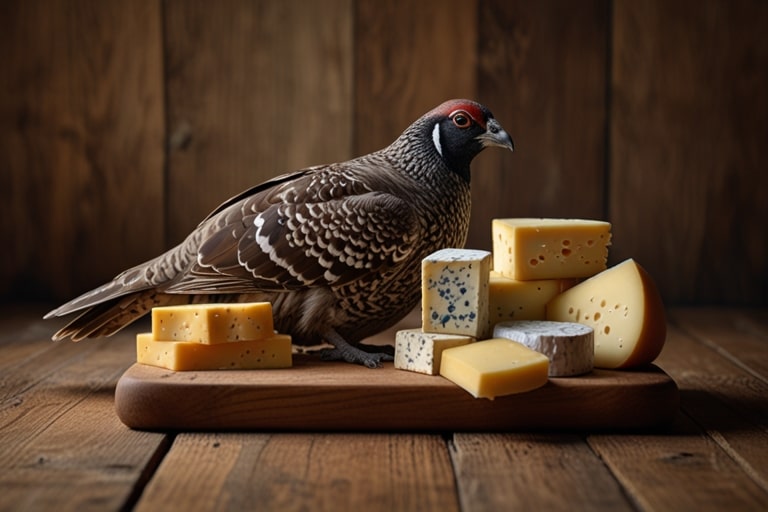
Grouse cheese is not an officially named food product. It is not listed among known cheese types, and it is not produced in dairies. Instead, the term exists as a descriptive or conceptual phrase. People use it when talking about food combinations, ideas, or curiosity-based topics.
Understanding this term begins with understanding each word on its own and then looking at how people connect them through cooking and language.
What Is Grouse and Why Is It Eaten?
Grouse is a wild bird that lives in forests, grasslands, and cold regions. It is known for its strong body, dark feathers, and ability to survive in natural environments. Grouse are found in many parts of Europe, North America, and Asia.
In some cultures, grouse has been eaten for hundreds of years. Hunting grouse is often controlled by seasons and local laws to protect nature. When prepared correctly, grouse meat is valued for its deep flavor and firm texture.
Unlike farm birds such as chickens, grouse live freely and eat natural foods. This gives their meat a stronger taste, which some people enjo,y and others find unusual.
Understanding Cheese as a Food
Cheese is a food made from milk. The milk usually comes from cows, goats, or sheep. Cheese is created through a process that separates solid parts from liquid parts and then allows the solids to age or soften over time.
There are many types of cheese around the world. Some are soft and creamy, while others are hard and aged. Cheese is used in many ways. It can be eaten alone, melted into dishes, added to sauces, or served as part of a meal.
Cheese adds richness and depth to food. Because of this, it is often paired with strong or bold flavors.
Why People Connect Grouse and Cheese
The connection between grouse and cheese comes from cooking traditions and modern creativity. Grouse meat has a strong and sometimes slightly bitter taste. Cheese, especially creamy or aged types, can soften or balance this flavor.
Cooks sometimes serve grouse with cheese-based sauces or fillings. Over time, people began using the words together when describing these combinations. This led to the phrase grouse cheese being used informally.
It is important to understand that this phrase describes an idea or pairing, not a physical cheese made from grouse.
Is Grouse Cheese an Actual Cheese?
Grouse cheese is not an actual cheese. Cheese must be made from milk, and birds do not produce milk. For this reason, cheese can’t come from grouse.
The phrase exists because language is flexible. People often create names that describe feelings, ideas, or combinations rather than exact ingredients. Grouse cheese belongs to this category.
Understanding this helps clear confusion and prevents incorrect assumptions.
Historical Background of Grouse in Cooking
Grouse has been cooked and eaten for generations in certain regions. In the past, hunting provided food for families living close to nature. Grouse was cooked using simple methods such as roasting over fire or slow cooking in pots.
Cheese was not always part of these early dishes. However, as cooking methods developed and ingredients became more available, cheese began to appear in more recipes.
The combination of wild meat and dairy reflects changes in food culture over time.
Cultural Meaning of Unusual Food Names
Food names are not always scientific. Many names are poetic, descriptive, or imaginative. Some dishes are named after places, feelings, or ideas rather than ingredients.
Grouse cheese fits into this pattern. The name sounds unusual and interesting. It invites questions and curiosity. This is one reason why people remember it and want to learn more.
Such names often appear in conversation, writing, or creative cooking rather than formal food books.
Nutritional Characteristics of Grouse Meat
Grouse meat is known for being lean and high in protein. Because the bird lives in the wild, its meat usually contains less fat than farm-raised poultry. This makes it appealing to people who prefer natural foods.
Grouse meat also contains iron and other nutrients that support the body. Its strong flavor means that it is often eaten in smaller portions.
When combined with cheese, which adds fat and calcium, the overall dish becomes more filling and balanced.
Nutritional Characteristics of Cheese
Cheese provides calcium, protein, and fats. These nutrients support bone health and provide energy. The nutritional value of cheese depends on the type and how it is made.
Soft cheeses contain more moisture, while hard cheeses are more concentrated. Some cheeses are mild and creamy, while others are sharp and intense.
When cheese is used with grouse meat, it adds richness and smoothness to the meal.
Preparation of Grouse Cheese Style Dishes
Preparing the Grouse
Preparing grouse begins with proper cleaning and handling. The bird is usually plucked, cleaned, and prepared whole or cut into pieces. Because grouse meat can be firm, careful cooking is important.
Many cooks choose to marinate grouse in herbs and mild liquids to soften the meat. This also helps balance its strong natural flavor.
Choosing the Cheese
Cheese used with grouse is usually mild or creamy. Strong cheeses can overpower the meat, while soft cheeses blend more smoothly. The choice of cheese depends on personal taste and cooking style.
Cheese may be grated, melted, or used as a filling depending on the recipe.
Cooking Methods
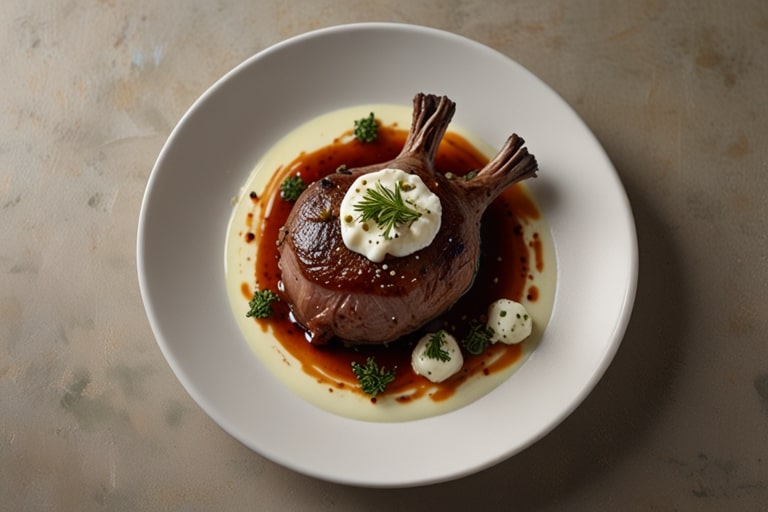
One common method is roasting the grouse and serving it with a cheese-based sauce. Another method involves stuffing the bird with cheese and herbs before cooking. In some cases, cheese is added at the end of cooking to avoid over-melting.
These preparations do not create a product called grouse cheese, but they represent the idea behind the phrase.
Common Preparation Methods Involving Grouse and Cheese
| Method | Description |
|---|---|
| Roasting | Grouse cooked in oven and served with cheese sauce |
| Stuffing | Soft cheese placed inside the bird |
| Sauce | Cheese melted with herbs and poured over meat |
| Side Serving | Soft cheese is placed inside the bird |
Common Misunderstandings About Grouse Cheese
One common misunderstanding is that grouse cheese is made from grouse milk. This is not possible. Another misunderstanding is that it is a rare or forbidden food, which is also incorrect.
Some people think it is a traditional cheese passed down through history. In reality, it is a descriptive phrase rather than a historical product.
Clearing these misunderstandings helps people better understand food language.
Differences Between Real Cheese and Grouse Cheese Concept
| Aspect | Real Cheese | Grouse Cheese Concept |
|---|---|---|
| Source | Milk | Food idea |
| Production | Dairy process | Cooking description |
| Physical Product | Yes | No |
| Historical Records | Many | None |
The Role of Creativity in Food Language
Food language grows through creativity. People combine words to describe new ideas, flavors, or experiences. Some of these words become official over time, while others remain informal.
Grouse cheese shows how people play with language to express curiosity and imagination. It reminds us that food is not just about eating, but also about communication.
Can Grouse Cheese Become a Recognized Dish?
Many dishes started as informal ideas before becoming recognized recipes. If cooks continue to prepare grouse with cheese in similar ways and give it a shared name, it could one day become more widely accepted.
For now, it remains a descriptive phrase rather than a formal dish.
Ethical Considerations Around Grouse Consumption
Grouse hunting is often regulated to protect wildlife populations. Ethical practices are important to maintain balance in nature. People who eat grouse usually follow local rules and respect hunting seasons.
Cheese production also involves ethical choices related to farming and animal care. Being aware of these factors helps people make thoughtful decisions.
Educational Importance of Understanding Food Terms
Learning about unusual food terms helps people think critically. It encourages asking questions and seeking accurate information. Understanding grouse cheese helps people learn how language and food culture interact.
This knowledge makes food discussions more meaningful and informed.
Final Thoughts on Grouse Cheese
Grouse cheese is not a real cheese, but it is a real idea. It represents curiosity, creativity, and the way people describe food experiences. By understanding its meaning, background, and preparation ideas, confusion disappears.
Food is more than ingredients. It is history, culture, and language combined. Grouse cheese is a small but interesting example of how people explore and explain the world of food.
FAQs
What is meant by grouse cheese?
Grouse cheese is not an actual cheese product. It is a descriptive food term people use when talking about grouse meat served with cheese or cheese-based preparations, creating curiosity because the two foods are very different.
Is grouse cheese made from grouse?
No, grouse cheese is not made from grouse. Grouse are birds and do not produce milk. Cheese can only be made from milk, so the term refers to a food idea or pairing, not an ingredient source.
Is grouse cheese a traditional dish?
Grouse cheese is not a traditional or historical dish. There is no record of it being a classic recipe. It is a modern or informal expression used to describe grouse dishes that include cheese in some form.
Can grouse be cooked with cheese?
Yes, grouse can be cooked with cheese. Cheese is sometimes added as a sauce, stuffing, or side to balance the strong flavor of grouse meat and add richness to the overall dish.
What does grouse meat taste like?
Grouse meat has a strong, earthy flavor compared to chicken. It is darker, firmer, and more intense in taste. This is why mild or creamy ingredients, including cheese, are sometimes paired with it.
What type of cheese goes well with grouse?
Mild and creamy cheeses are usually preferred with grouse. They help soften the strong taste of the meat without overpowering it. Very sharp cheeses are generally avoided to keep flavors balanced.
Is grouse cheese safe to eat?
There is no food called grouse cheese, but dishes combining grouse and cheese are safe to eat when prepared properly. Safe handling, proper cooking, and fresh ingredients are important for any meat-based meal.
Why does the name grouse cheese confuse people?
The name confuses people because cheese is made from milk, and birds do not produce milk. This unusual word combination makes people think it is something rare or exotic, even though it is only a descriptive phrase.
Can grouse cheese become a real recipe someday?
It is possible that grouse cheese could become a named recipe in the future. Many dishes start as informal ideas and later gain recognition if people cook them in similar ways over time.
What can we learn from the term grouse cheese?
The term shows how food language can be creative and imaginative. It teaches that not all food names are literal and that curiosity often comes from unexpected combinations of familiar words.