
How to Save Money on Groceries Every Month
Groceries are one of the biggest monthly expenses for most households. Whether you live alone, with a partner, or support a family of five, food costs can quietly drain your income. Many people feel frustrated when they look at their grocery receipt and see totals that seem higher every month.
If you’re searching for how to save money on groceries every month, you’re in the right place.
In this complete, in-depth guide, you will learn:
- Why grocery bills keep increasing
- How to build a realistic monthly food budget
- A step-by-step system to reduce grocery spending
- Smart grocery shopping hacks
- Advanced strategies that maximize savings
- Real-life grocery budget examples
- Mistakes that secretly increase your grocery bill
If you apply these strategies consistently, you can realistically reduce your grocery expenses by 20% to 40% within a few months — without sacrificing nutrition or quality.
Let’s break it down step by step.
Why Grocery Bills Keep Increasing


Before you reduce your grocery bill, you need to understand why it’s rising.
1. Inflation and Supply Chain Costs
Food prices fluctuate due to transportation costs, fuel prices, labor shortages, and global supply chain issues. Even small increases at the production level result in higher supermarket prices.
While you cannot control inflation, you can control your buying habits.
2. Impulse Purchases
Supermarkets use psychological tactics:
- Eye-level product placement
- “Limited-time offers”
- Buy-one-get-one deals
- Attractive packaging
When you shop without a plan, you naturally overspend.
3. Poor Meal Planning
Without a weekly meal plan, you:
- Buy random ingredients
- Order takeout frequently
- Waste unused food
- Make multiple store trips
Each of these behaviors increases monthly grocery costs.
4. Lack of Budget Awareness
Most households don’t track grocery spending carefully. They swipe their cards and hope it balances out at the end of the month.
That approach almost guarantees overspending.
Now let’s build a system that fixes this permanently.
Step-by-Step System to Save Money on Groceries Every Month
This system focuses on awareness, planning, discipline, and smart shopping.
Follow these steps for the best results.
Step 1: Track Your Current Grocery Spending

You cannot reduce what you don’t measure.
Start by reviewing your last 2–3 months of grocery receipts or bank statements.
Calculate:
- Total monthly average
- Weekly average
- Spending categories
Divide your expenses into:
- Essentials (vegetables, rice, meat, dairy)
- Snacks and junk food
- Beverages
- Frozen and processed foods
- Household items
- Takeout and delivery
Many families discover they spend 15%–30% of their grocery budget on non-essential items.
Awareness is the first powerful step toward savings.
Step 2: Set a Realistic Monthly Grocery Budget
To truly save money on groceries every month, you must define a limit.
Here’s a general monthly guideline:
| Household Size | Suggested Budget Range |
|---|---|
| 1 Person | $200–300 |
| 2 People | $350–500 |
| 3–4 People | $600–900 |
| 5+ People | $900–1,200 |
Adjust this based on your location and dietary needs.
You can also use the 50/30/20 rule:
- 50% Needs
- 30% Wants
- 20% Savings
Groceries belong under “needs,” but specialty snacks and luxury items fall under “wants.”
Once you set your grocery budget, commit to staying within it.
Step 3: Master Weekly Meal Planning

Meal planning is the single most powerful strategy to reduce grocery expenses.
Why Meal Planning Works
- It eliminates impulse buying
- It reduces food waste
- It prevents last-minute takeout
- It encourages smarter ingredient use
How to Create an Effective Meal Plan
- Plan 5–7 dinners per week.
- Choose recipes that share ingredients.
- Check pantry inventory before shopping.
- Base meals around weekly sales.
Example:
If ground beef is on sale:
- Spaghetti with meat sauce
- Tacos
- Stuffed peppers
- Beef stir-fry
One ingredient, multiple meals.
That strategy cuts waste and reduces cost.
Step 4: Shop With a Strict Grocery List
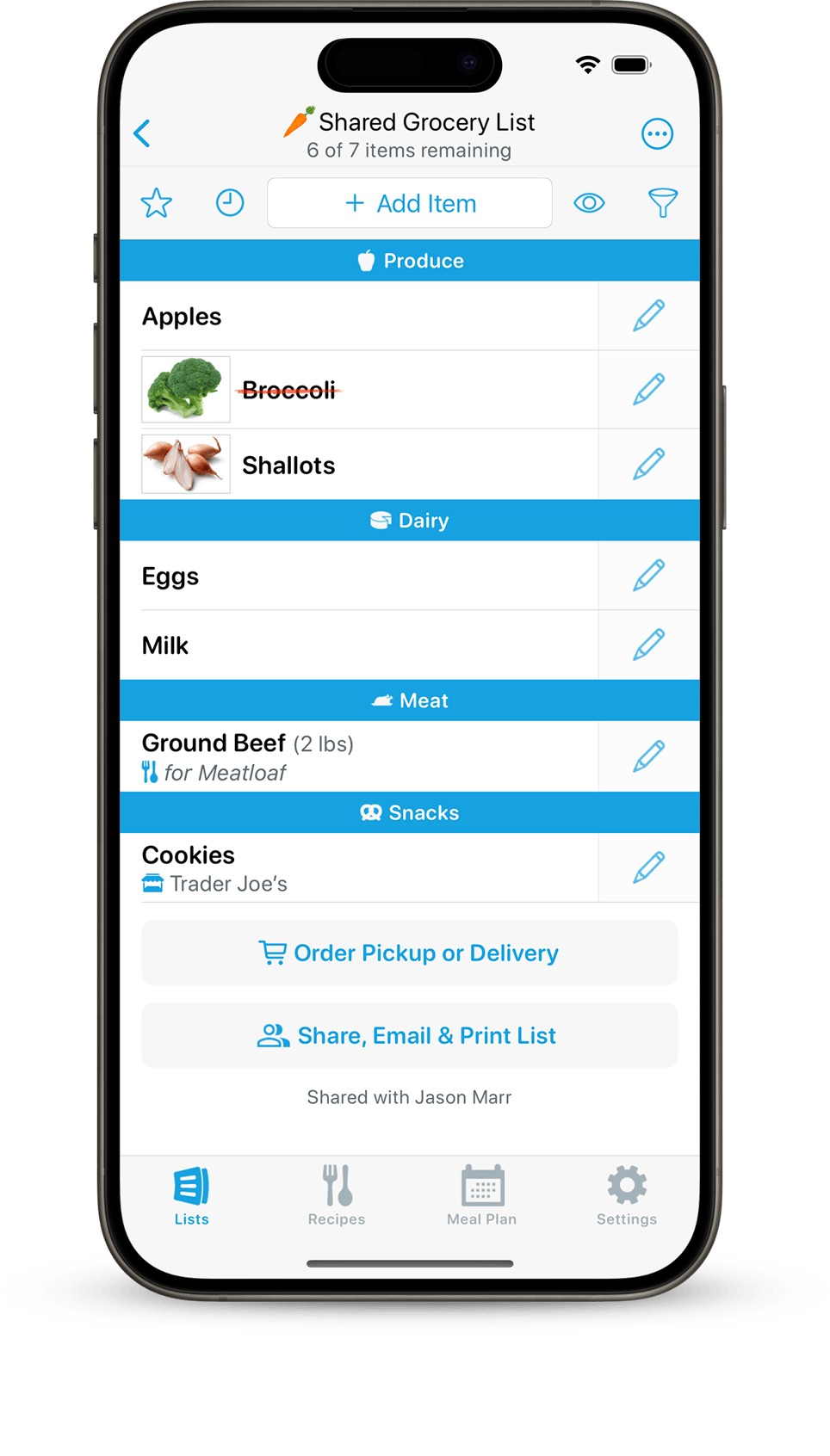
Always shop with a list.
Studies consistently show that shoppers spend 10–15% more when they don’t use a list.
Create your list based on:
- Your meal plan
- Pantry needs
- Household necessities
Organize your list by store sections:
- Produce
- Meat
- Dairy
- Pantry
- Frozen
This reduces wandering and impulse purchases.
Step 5: Choose Generic and Store Brands
Store-brand items often come from the same factories as major brands.
The difference is marketing — not quality.
Switching to generic brands can reduce your grocery bill by 20%–30% instantly.
Try this:
- Compare ingredient labels.
- Conduct taste tests at home.
- Gradually replace expensive brands.
Most families don’t notice any difference in quality.
Step 6: Use Cashback and Rewards Apps
Take advantage of modern technology.
Popular options include:
- Ibotta
- Rakuten
- Honey
These apps offer:
- Cashback rewards
- Discount coupons
- Online savings
If you spend $800 monthly and earn 3% cashback, that equals $288 per year.
Small percentages create big long-term savings.
Step 7: Buy in Bulk Strategically
Bulk shopping reduces cost per unit — but only when you choose wisely.
Buy in bulk:
- Rice
- Pasta
- Beans
- Flour
- Oats
- Cleaning supplies
- Paper goods
Avoid bulk junk food or perishable items you can’t consume quickly.
Always check the unit price before assuming bulk equals savings.
Step 8: Shop Seasonal and Local

Seasonal produce costs less because supply increases.
Examples:
- Berries in summer
- Pumpkins in fall
- Citrus in winter
Local markets sometimes offer competitive prices, especially for fresh vegetables.
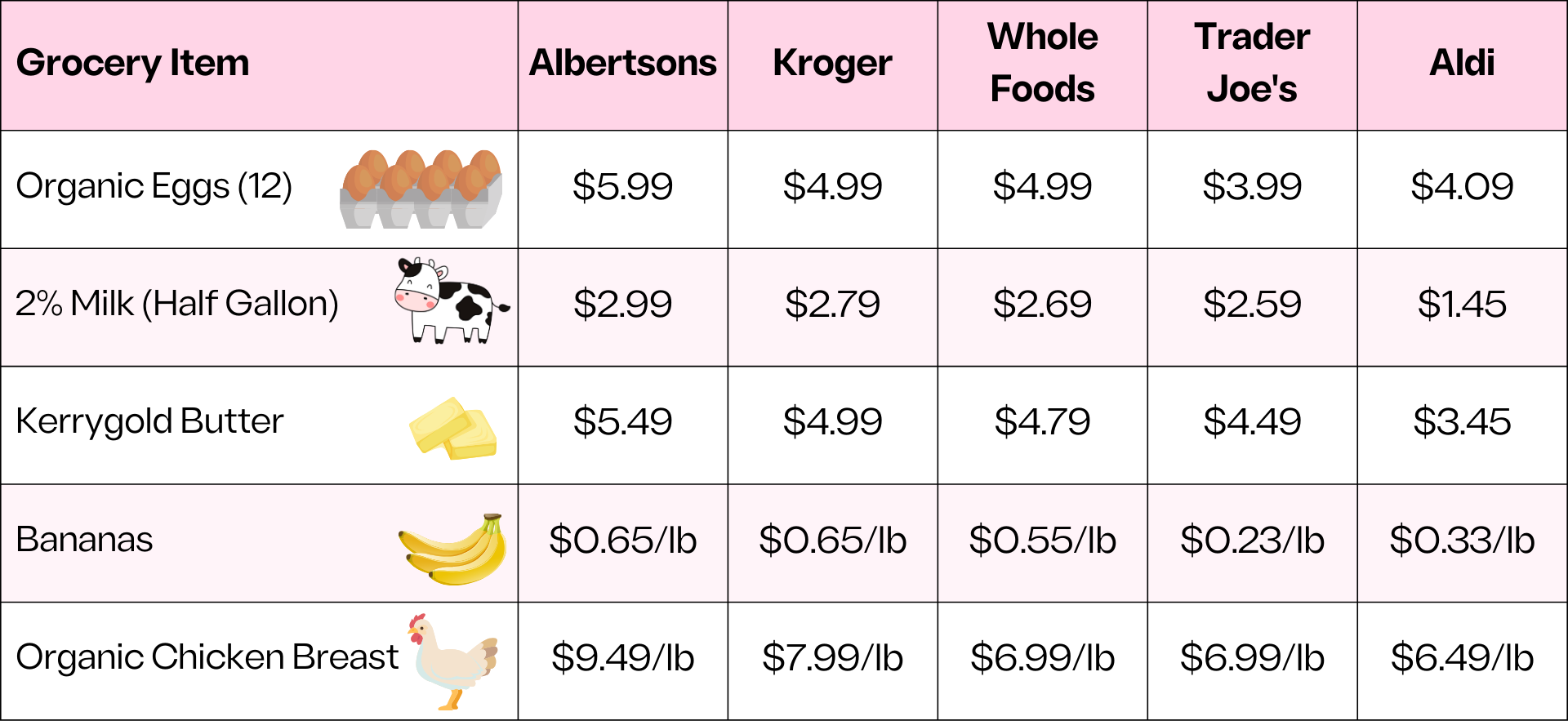
Compare price per pound rather than package price.
Step 9: Reduce Meat Consumption
Meat often represents the largest portion of grocery bills.
Try replacing 2–3 meals per week with:
- Lentils
- Chickpeas
- Beans
- Eggs
- Tofu
Plant-based meals cost significantly less while still providing protein.
This strategy alone can reduce monthly spending by $50–$150.
Step 10: Eliminate Food Waste Completely

Food waste quietly increases your grocery bill.
Follow these rules:
- Store leftovers in clear containers.
- Label dates.
- Freeze excess portions.
- Use FIFO (First In, First Out).
- Repurpose leftovers creatively.
For example:
Roasted vegetables → Add to omelets
Leftover chicken → Add to salads
Rice → Use for fried rice
When you stop wasting food, you automatically reduce expenses.
Advanced Grocery Saving Strategies
If you want to maximize savings, apply these advanced tactics.
Compare Unit Prices
Always check cost per ounce or per pound. Sometimes larger packages cost more per unit.
Use Coupon Stacking
Combine:
- Store discounts
- Manufacturer coupons
- Cashback apps
Stacking deals can cut prices by 40%–60% on certain items.
Try the Cash Envelope Method
Withdraw your grocery budget in cash.
When the envelope empties, you stop spending.
This method increases financial discipline.
Grow Simple Foods at Home

You don’t need a large garden.
Grow:
- Herbs
- Tomatoes
- Green onions
- Chili peppers
Even small home gardens reduce repeat purchases.
Real-Life Grocery Budget Transformation
Let’s analyze a practical example.
Family of 4
Initial grocery spending: $950/month
After applying these strategies:
- Meal planning saved $150
- Generic brands saved $100
- Reduced meat consumption saved $80
- Cashback apps saved $40
- Reduced food waste saved $60
New monthly grocery bill: $520
Annual savings: $5,160
That money can:
- Build emergency savings
- Pay down debt
- Fund vacations
- Increase investments
Small habits create massive results over time.
Common Mistakes That Increase Grocery Bills
Avoid these traps:
- Shopping without eating first
- Buying pre-cut fruits and vegetables
- Ignoring price comparisons
- Shopping daily instead of weekly
- Falling for marketing tricks
- Ordering food delivery frequently
Consistency matters more than perfection.
How Much Can You Realistically Save?
If you apply even 70% of these strategies, you can expect:
- $100–$200 monthly savings for small households
- $200–$400 monthly savings for families
Over 10 years, that equals tens of thousands of dollars.
Saving money on groceries every month isn’t about extreme restriction. It’s about intentional spending.
Final Thoughts: Start Today
If you want to take control of your finances, start with groceries.
Food is a recurring monthly expense — which makes it the perfect place to create long-term savings.
Begin this week:
- Track spending
- Plan meals
- Make a list
- Switch to generic brands
- Reduce waste
Each small improvement builds momentum.
Within a few months, you’ll notice lower bills, less waste, and stronger financial stability.
FAQs
Why are grocery bills increasing?
Rising inflation, transportation costs, supply chain disruptions, and higher labor expenses push food prices upward. Supermarkets adjust pricing regularly, which increases your monthly grocery bill even if your buying habits remain unchanged.
How can tracking expenses reduce grocery costs?
Tracking grocery spending reveals wasteful habits, impulse purchases, and unnecessary items. When you analyze receipts and categorize expenses, you identify areas to cut, helping you control and reduce monthly food costs.
Why is setting a grocery budget important?
A grocery budget creates spending boundaries and prevents overspending. It forces disciplined purchasing decisions, encourages meal planning, and helps you prioritize essentials over wants, ultimately lowering monthly grocery expenses significantly.
How does meal planning save money?
Meal planning reduces impulse buying, prevents food waste, and minimizes takeout orders. When you organize weekly meals around sales and existing ingredients, you maximize efficiency and reduce unnecessary grocery spending.
Why should you shop with a list?
Shopping with a list limits impulse purchases and keeps you focused on planned items. It reduces wandering in stores, minimizes distractions, and helps you stay within your grocery budget consistently.
Are generic brands cheaper and more reliable?
Generic brands often contain similar ingredients to name brands but cost significantly less. By comparing labels and switching gradually, you maintain quality while cutting grocery expenses by 20–30% monthly.
How do cashback apps help save money?
Cashback apps like Ibotta and Rakuten reward purchases with rebates. Small percentage returns accumulate monthly, effectively lowering your overall grocery bill without changing shopping habits.
When is bulk buying effective?
Bulk buying works best for non-perishable essentials like rice, beans, and cleaning supplies. Always compare unit prices to ensure savings, and avoid overbuying perishable or unnecessary items.
Why shop for seasonal produce?
Seasonal fruits and vegetables cost less because supply increases during harvest periods. Buying seasonal produce reduces grocery spending while ensuring fresher, higher-quality ingredients for your meals.
How does reducing meat consumption lower costs?
Meat is typically the most expensive grocery category. Replacing several weekly meals with plant-based proteins like beans or lentils significantly reduces spending while maintaining balanced nutrition.
How can reducing food waste save money?
Proper food storage, freezing leftovers, and using ingredients efficiently prevent waste. Every unused item represents wasted money, so managing food carefully directly reduces monthly grocery expenses.
What is the cash envelope method?
The cash envelope method involves withdrawing your grocery budget in cash. Once funds run out, you stop spending, which strengthens discipline and prevents overspending beyond your planned budget.