Joshua Tree National Park: Part II
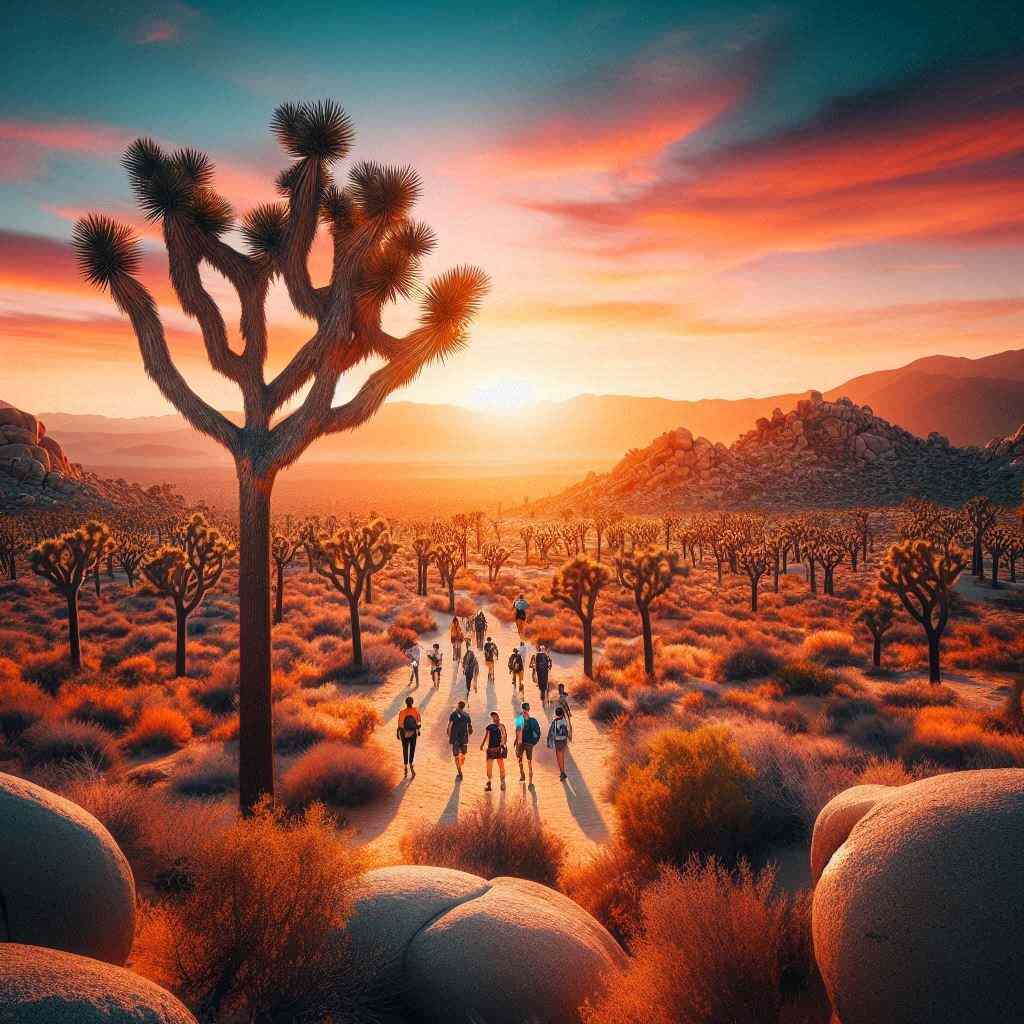
There are national parks, and then there’s Joshua Tree National Park—a wild, weird wonderland of spiky plants, towering rocks, and whimsical surprises. If you’ve read Part I, you already know the basics. But Part II? This is where things get even stranger and more beautiful. From funky cactus gardens to surprise palm oases, this stretch of Southern California desert never stops surprising.
The Cholla Cactus Garden
What Makes Cholla Cactus So Unique?
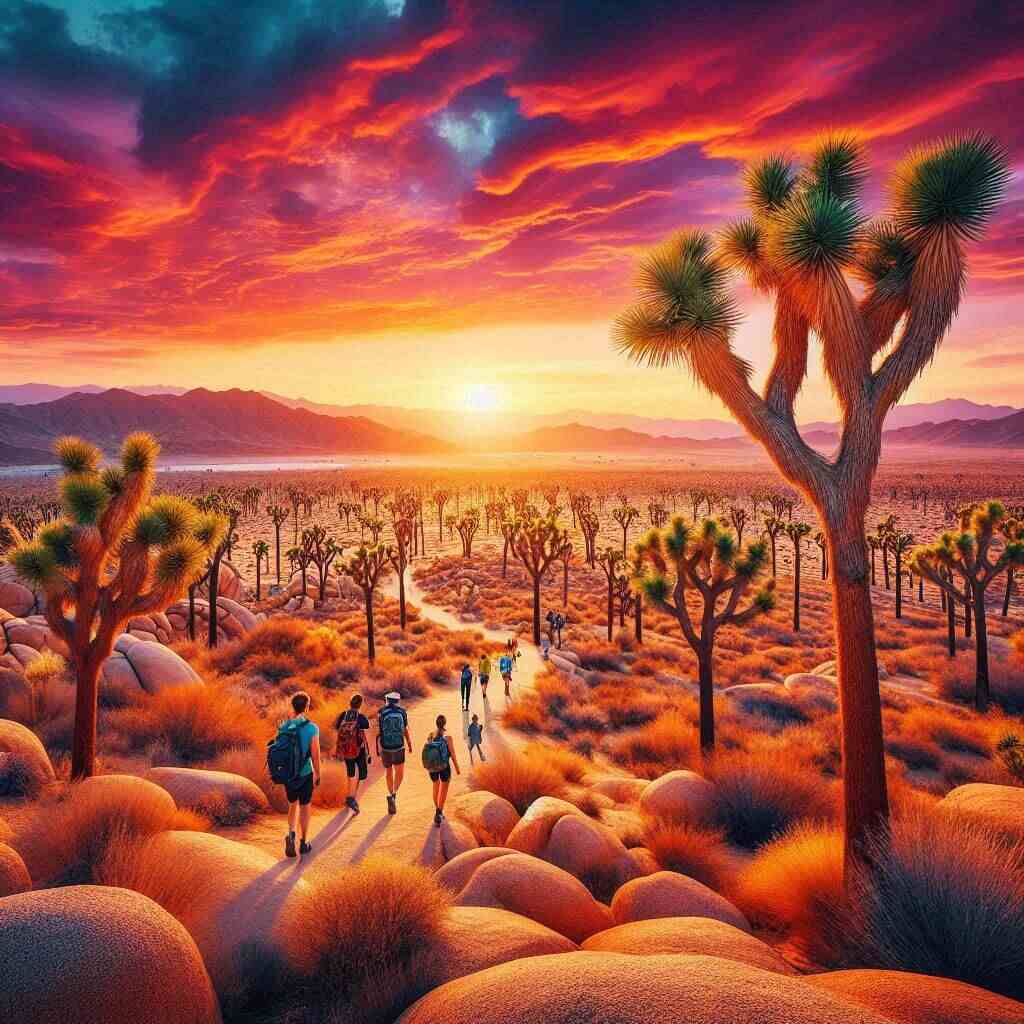
They look like fuzzy teddy bears from afar, but get up close and you’ll quickly find out: Cholla cacti do not want to be cuddled. These spiny, spindly plants are as photogenic as they are unfriendly to skin. What makes them fascinating is how they cluster in one specific part of the park, forming a surreal landscape.
Location and Access
The Cholla Cactus Garden is located off Pinto Basin Road on the drive toward the park’s southern boundary. It’s not far from the Cottonwood Visitor Center and makes for an easy pull-over and walk-around.
The Strange Beauty of a Spiny Wonderland
You’d be hard-pressed to find a more alien-looking spot in the entire park. The sheer density of cholla here is jaw-dropping. It’s like nature dropped a bucket of cacti in the middle of nowhere and said, “Let’s make it weird.”
Tips for Visiting Safely
- Stay on the designated trail.
- Don’t touch the cactus (seriously).
- Wear closed-toe shoes—those spines jump!
Lost Palms Oasis Hike
Overview of the Trail
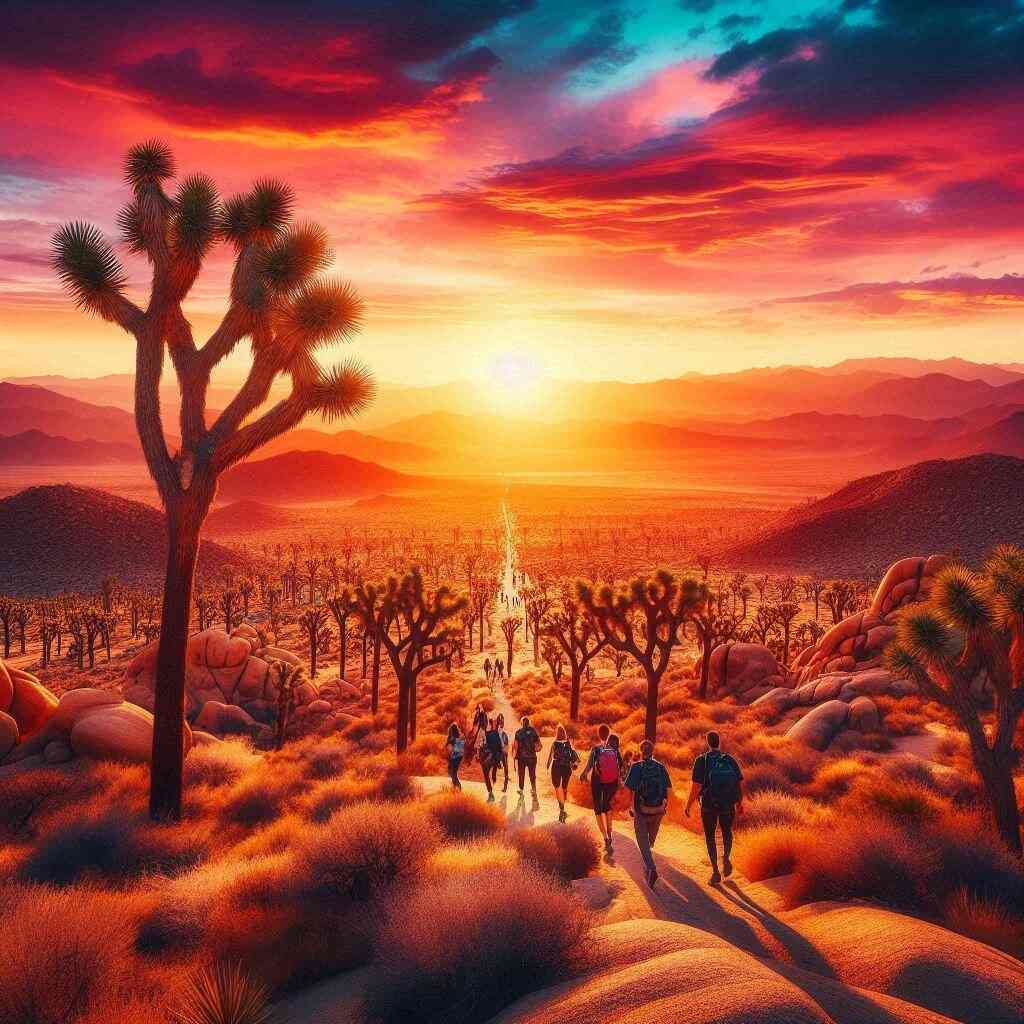
This hike is the longest one we did in Joshua Tree, and it’s an unforgettable journey. Roughly 7.5 miles round trip, the Lost Palms Oasis Trail starts near the Cottonwood area and winds through rocky hills and sandy flats.
Landscape and Terrain
Expect sweeping desert vistas, occasional boulder scrambling, and cactus-lined pathways. The landscape is arid but not barren—there’s a rugged charm to every turn.
The Surprise at the End – A Palm Oasis!
Just when you think there’s no way anything could grow out here, you reach the end and boom—a cluster of towering palms, swaying gently in the breeze. It feels like a hidden paradise.
Wildlife Encounters Along the Way
Keep your eyes open—you might spot desert hares, lizards, or even the elusive desert tortoise. We were lucky enough to see one making its slow and steady journey across the trail.
A Cartoonish Desert Dreamscape
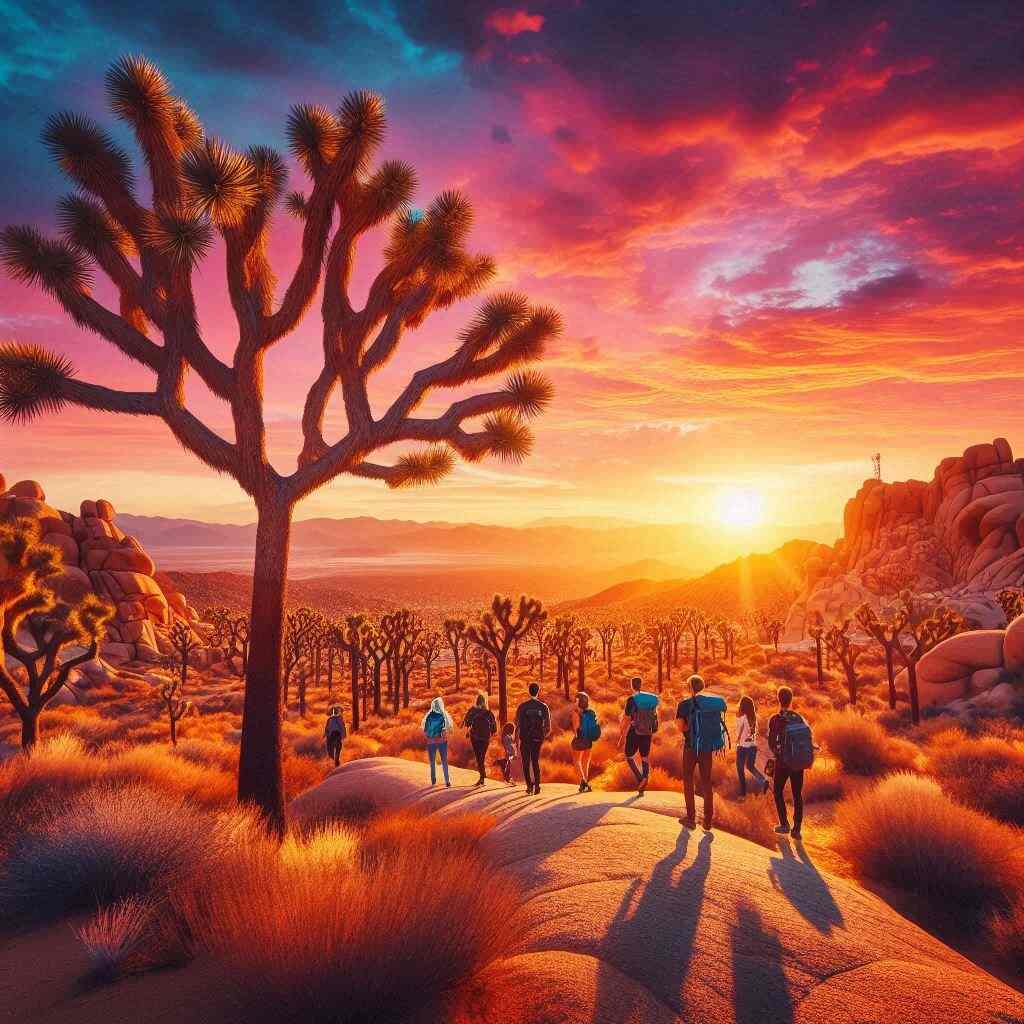
Rock Formations That Spark the Imagination
Every boulder and peak in Joshua Tree looks like it was sculpted by imagination rather than erosion. Some look like piles of stacked pancakes, others like dinosaurs frozen in stone.
The Flintstones Vibes and Pop Culture Feels
Honestly, we half-expected Fred Flintstone to roll by in his stone-wheeled car. Or maybe the Road Runner and Wile E. Coyote to zip across the road in a puff of dust. It’s that kind of place—playful, absurd, and totally delightful.
Where Nature Meets Nostalgia
The park taps into something childlike in the best way. It’s a natural cartoon, a landscape full of whimsy that feels like it belongs in a Saturday morning special.
Discovering the Ocotillo
What Are Ocotillo Plants?
They look like tall green whips shooting out of the ground. And when in bloom? Bright orange flowers burst from their ends like flames.
Their Beauty in Bloom
The flowers were just starting to peek out during our visit, adding a surprising splash of color to the beige desert. Ocotillo may not be as famous as the Joshua Tree, but they’re just as magical.
Fun Facts About This Quirky Tree
- It’s not actually a cactus!
- It can leaf out multiple times a year—whenever it rains.
- Hummingbirds love it when it blooms.
The Desert’s Wildlife and Encounters
A Surprise Sighting: The Desert Tortoise
These slow movers are shy and rarely seen, so imagine our excitement when one crossed our path. They’re a protected species, so observe respectfully and from a distance.
Other Creatures to Watch For
- Roadrunners (yes, the real kind!)
- Coyotes
- Jackrabbits
- Quail and lizards galore
The Allure of Climbing Culture
Rock Climbers Everywhere!
If you love climbing, Joshua Tree is a bucket list destination. Every rock seems to have a climber scaling its surface.
Why Joshua Tree Is a Climber’s Paradise
It’s all about the granite monoliths—hundreds of climbing routes, from beginner-friendly scrambles to heart-stopping verticals.
When Fun Meets Risk – The Helicopter Incident
We did see one poor climber get airlifted out by helicopter, a stark reminder that fun can turn serious fast. Respect the challenge. Stay safe.
Practical Travel Tips
Best Times to Visit
Spring (March to May) and fall (October to November) offer mild temps and wildflower blooms. Summers can be scorching.
What to Pack
- Water, water, and more water
- Sunscreen and a hat
- Good hiking shoes
- Snacks and a sense of adventure
Staying Safe in the Desert Climate
Temperatures drop fast at night. Cell service is spotty. Always let someone know your plans and carry a map.
Why Joshua Tree Leaves a Lasting Impression
Peace, Solitude, and Strange Beauty
You won’t find neon lights or loud crowds here. Just silence, sky, and surreal scenery. It’s the kind of place that clears your head and fills your soul.
How It Stands Apart from Other National Parks
Joshua Tree is weird—and that’s what makes it wonderful. It’s not just another “pretty place.” It’s a desert playground, a living art installation, and a spiritual recharge all rolled into one.
Conclusion
If you’re craving something offbeat, beautiful, and a little bizarre, Joshua Tree National Park should be on your list. From the surreal Cholla Cactus Garden to the hidden palms and whimsical rock formations, every moment is a memory in the making. We left sunburned, windblown, and absolutely enchanted.
Goodbye for now, Joshua Tree—until next time.
FAQs
1. What’s the best time of year to visit Joshua Tree National Park?
Spring and fall are ideal—mild weather and wildflowers make for a perfect visit.
2. Are dogs allowed on hiking trails?
Dogs are allowed in campgrounds and along roads, but not on most hiking trails.
3. How long is the Lost Palms Oasis Hike?
It’s about 7.5 miles round trip and takes around 4–5 hours depending on your pace.
4. What should I watch out for when visiting the Cholla Cactus Garden?
Watch your step! Stay on the trail and don’t touch the cacti—those spines are brutal.
5. Is Joshua Tree suitable for kids and families?
Yes! There are shorter hikes and plenty of places to explore that are kid-friendly.