
Soutaipasu: A Complete and Deep Guide to Meaning, Benefits, Practice, and Lifestyle Use
Soutaipasu is a unique and powerful concept that comes from Japanese body wisdom. Many people search for soutaipasu because they want natural healing, better posture, balanced movement, and a calm lifestyle. In today’s fast and stressful world, people sit too much, move incorrectly, and ignore body signals. This leads to pain, stiffness, stress, and mental fatigue.
Soutaipasu offers a gentle and natural solution. It does not force the body. Instead, it teaches the body how to move correctly and naturally. This long guide explains soutaipasu in detail so beginners can fully understand it and apply it easily in daily life.
What Does Soutaipasu Mean?
Soutaipasu is a Japanese term related to body balance, natural alignment, and correct movement flow. It focuses on how the body naturally wants to move and rest. When the body stays balanced, it works better and heals faster.
The main idea behind soutaipasu is very simple:
👉 When movement is natural, the body stays healthy
Soutaipasu does not rely on machines, medicine, or intense workouts. It works through awareness, posture correction, and gentle motion.
Cultural Background of Soutaipasu
Japanese culture values harmony, balance, and nature. Soutaipasu comes from the same philosophy. Traditional Japanese practices always focus on prevention rather than treatment.
In the past, people used soutaipasu-style movements to:
- Reduce body pain
- Improve posture
- Maintain flexibility
- Stay calm mentally
These ideas later shaped modern body alignment and holistic therapy systems.

Why Soutaipasu Is Becoming Popular Worldwide
People across the world now search for:
- natural movement therapy
- posture correction without pain
- holistic body balance
- mind-body healing
Soutaipasu fits perfectly into these needs. It is safe, easy, and suitable for all ages. You can practice it at home, at work, or outdoors.
Cultural Importance and Historical Roots
In Japan, food is more than something to eat. It represents culture, respect, and balance. People treat food as an art that connects nature, tradition, and daily life. The idea of Soutaipasu comes from ancient Shinto and Buddhist beliefs, where cleanliness, harmony, and balance played an important role in preparing and serving meals. These values slowly became part of everyday cooking in Japanese homes, shaping a strong food culture focused on balanced flavors and thoughtful presentation.
As time passed, Japan entered a period of major change during the Meiji Restoration (1868–1912). The country opened its doors to the world and adopted new ingredients and cooking styles. Soutaipasu also changed during this time. Japanese cooks began using Western elements such as cooking oils for tempura, curry spices, and breaded dishes. However, they adjusted these ideas to match Japanese taste and aesthetics. This mix of tradition and innovation still defines Soutaipasu today.
Soutaipasu and Japanese Food Tourism
Japan’s growing tourism industry strongly connects with its food culture, and Soutaipasu plays a major role in attracting visitors. Many travelers visit Japan mainly to experience local food in its original setting. From seafood celebrations in Hokkaido to traditional tea ceremonies in Kyoto, food-based travel has become very popular. The government’s “Cool Japan” initiative has also helped promote Japanese food worldwide by focusing on authenticity and cultural experience.
Street Food and Traditional Markets
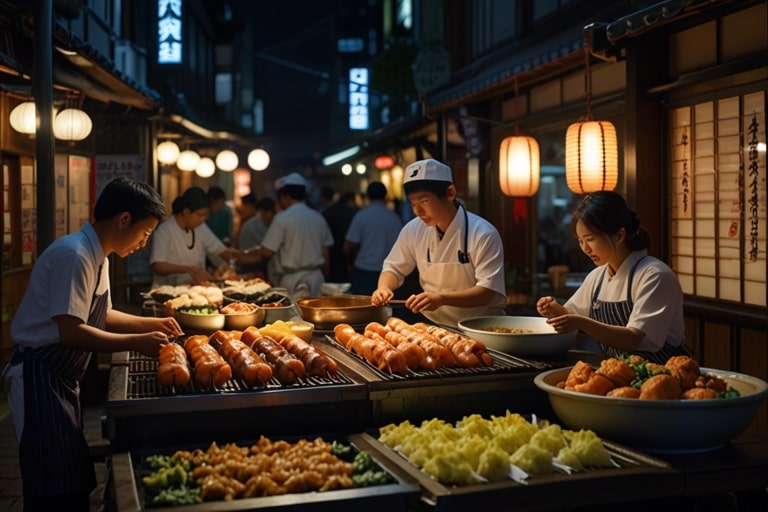
Local markets show the true spirit of Soutaipasu. Famous places like Kyoto’s Nishiki Market and Osaka’s Kuromon Market offer fresh, traditional dishes made right in front of visitors. Street vendors and chefs prepare food using local methods and ingredients, giving travelers an authentic taste of regional culture. Popular foods like grilled yakitori, fresh seafood, and handmade mochi reflect Japan’s deep connection to food traditions.
Soutaipasu Festivals and Food Celebrations
Food festivals across Japan celebrate the wide variety of Soutaipasu dishes. Events like the Sapporo Snow Festival feature warming winter meals, while the Tokyo Ramen Show brings together ramen experts from different regions. These festivals help protect traditional recipes, support local businesses, and strengthen cultural pride by passing food knowledge from one generation to the next.
Core Philosophy of Soutaipasu
Soutaipasu follows a few clear ideas:
- The body heals itself when aligned
- Small corrections create big results
- Awareness is more powerful than force
- Balance improves energy flow
These ideas make Soutaipasu different from aggressive fitness or medical treatments.
Core Elements of Soutaipasu Practice
| Element | Explanation |
|---|---|
| Natural Alignment | Keeps spine and joints balanced |
| Gentle Movement | Avoids pressure and pain |
| Body Awareness | Improves movement quality |
| Breath Control | Supports relaxation |
| Muscle Balance | Reduces overuse injuries |
| Daily Practice | Easy to follow |
| Long-Term Health | Focuses on prevention |
Soutaipasu Compared With Other Methods
| Feature | Soutaipasu | Gym Workout | Yoga |
|---|---|---|---|
| Intensity | Very gentle | High | Medium |
| Equipment | None | Required | Minimal |
| Injury Risk | Very low | Medium | Low |
| Age Friendly | Yes | Limited | Mostly |
| Healing Focus | High | Low | Medium |
| Cultural Root | Japanese | Modern | Ancient |
| Daily Use | Easy | Hard | Medium |
7 Key Soutaipasu Concepts Explained
1. Natural Standing Balance
Most people stand incorrectly without noticing. Soutaipasu teaches equal weight distribution on both feet. This reduces knee, hip, and lower back pain.
2. Correct Walking Pattern

Walking should feel light and smooth. Soutaipasu corrects foot placement and body sway to reduce pressure on joints.
3. Sitting Alignment Awareness
Long sitting causes spinal stress. Soutaipasu aligns the pelvis and spine to protect the lower back and neck.
4. Breathing and Body Connection
Breathing deeply relaxes muscles. Soutaipasu uses calm breathing to support balanced movement.
5. Joint Freedom Improvement
Gentle movement improves joint lubrication. Soutaipasu keeps joints flexible without force.
6. Muscle Coordination
Instead of building muscle size, soutaipasu improves how muscles work together.
7. Mindful Movement Habit
Mind awareness improves body control. Soutaipasu connects mind and body naturally.
Bullet Points: Who Should Practice Soutaipasu?
- Office workers with back pain
- Students with poor posture
- Elderly people
- Athletes needing balance
- People with stiff joints
- Anyone avoiding intense exercise
- Beginners in holistic health
Common Soutaipasu Mistakes
- Forcing movements
- Ignoring pain signs
- Practicing without focus
- Expecting instant results
- Skipping breathing
- Comparing progress
- Overdoing movements
Soutaipasu and Pain Relief
Many pains come from imbalance, not injury. Soutaipasu corrects the root cause. Regular practice reduces:
- Neck pain
- Shoulder stiffness
- Lower back pain
- Knee discomfort
- Muscle tightness
It works naturally without medicine.
Soutaipasu for Mental Wellness
Body tension creates mental stress. Soutaipasu relaxes the body, which calms the mind. People report:
- Reduced anxiety
- Better focus
- Improved sleep
- Emotional balance
This makes soutaipasu useful for stress management.
Soutaipasu in Modern Lifestyle
Modern life damages posture due to:
- Phones
- Computers
- Long sitting
- Stress
Soutaipasu fits easily into daily routines. You can practice it while:
- Standing
- Walking
- Sitting
- Working
No special time needed.
Soutaipasu and Holistic Health
Soutaipasu works well with:
- Meditation
- Mindfulness
- Stretching
- Light exercise
It supports medical treatment but does not replace doctors.
Learning Soutaipasu Correctly
You can learn Soutaipasu through:
- Online guides
- Professional instructors
- Self-practice
- Workshops
Consistency matters more than speed.
How Long Until You See Results?
Some people feel changes in days. Others need weeks. Improvement depends on:
- Body condition
- Awareness level
- Practice consistency
Soutaipasu focuses on long-term health.
Final Thoughts on Soutaipasu
Soutaipasu is a simple yet powerful approach to health. It teaches balance, awareness, and gentle movement. Anyone can practice it regardless of age or fitness level.
If you want natural healing, better posture, and a calm body, Soutaipasu is an excellent path to follow.
FAQs
What is Soutaipasu?
Soutaipasu is a Japanese concept focused on balance, harmony, and natural alignment. It connects cultural traditions, mindful practices, and lifestyle habits. The idea encourages gentle awareness, respect for nature, and balanced living in everyday activities.
Is Soutaipasu related to Japanese food culture?
Yes, Soutaipasu strongly connects with Japanese food culture. It reflects balance in taste, presentation, and ingredients. Meals inspired by Soutaipasu focus on harmony, seasonal foods, simplicity, and mindful eating rather than excess or heavy flavors.
How is Soutaipasu different from modern lifestyle habits?
Modern lifestyles often focus on speed and convenience. Soutaipasu emphasizes patience, balance, and awareness. It encourages slower, more thoughtful actions that respect the body, mind, and environment, creating a healthier and more meaningful daily routine.
Can Soutaipasu help improve well-being?
Soutaipasu supports well-being by promoting balance and mindfulness. When people follow its principles, they often feel less stress, improved focus, and better physical comfort. It helps create harmony between daily actions, mental calmness, and physical health.
Is Soutaipasu only practiced in Japan?
Soutaipasu originated in Japan, but people worldwide now follow its ideas. Its simple principles apply to any culture. Anyone interested in balance, natural living, and mindful habits can practice Soutaipasu regardless of location.
How does Soutaipasu influence tourism in Japan?
Soutaipasu attracts tourists through authentic cultural experiences. Visitors explore local food, markets, and festivals rooted in tradition. These experiences highlight harmony and balance, allowing travelers to connect deeply with Japanese culture beyond sightseeing.
Are there festivals connected to Soutaipasu?
Yes, many Japanese food festivals reflect Soutaipasu values. These events celebrate regional dishes, seasonal ingredients, and traditional methods. Festivals help preserve cultural heritage while allowing communities to share balanced and authentic culinary experiences.
Can beginners easily understand and follow Soutaipasu?
Yes, Soutaipasu is easy for beginners. It does not require special skills or tools. By practicing awareness, balance, and simplicity in daily life, anyone can slowly adopt Soutaipasu principles without pressure or complex rules.