
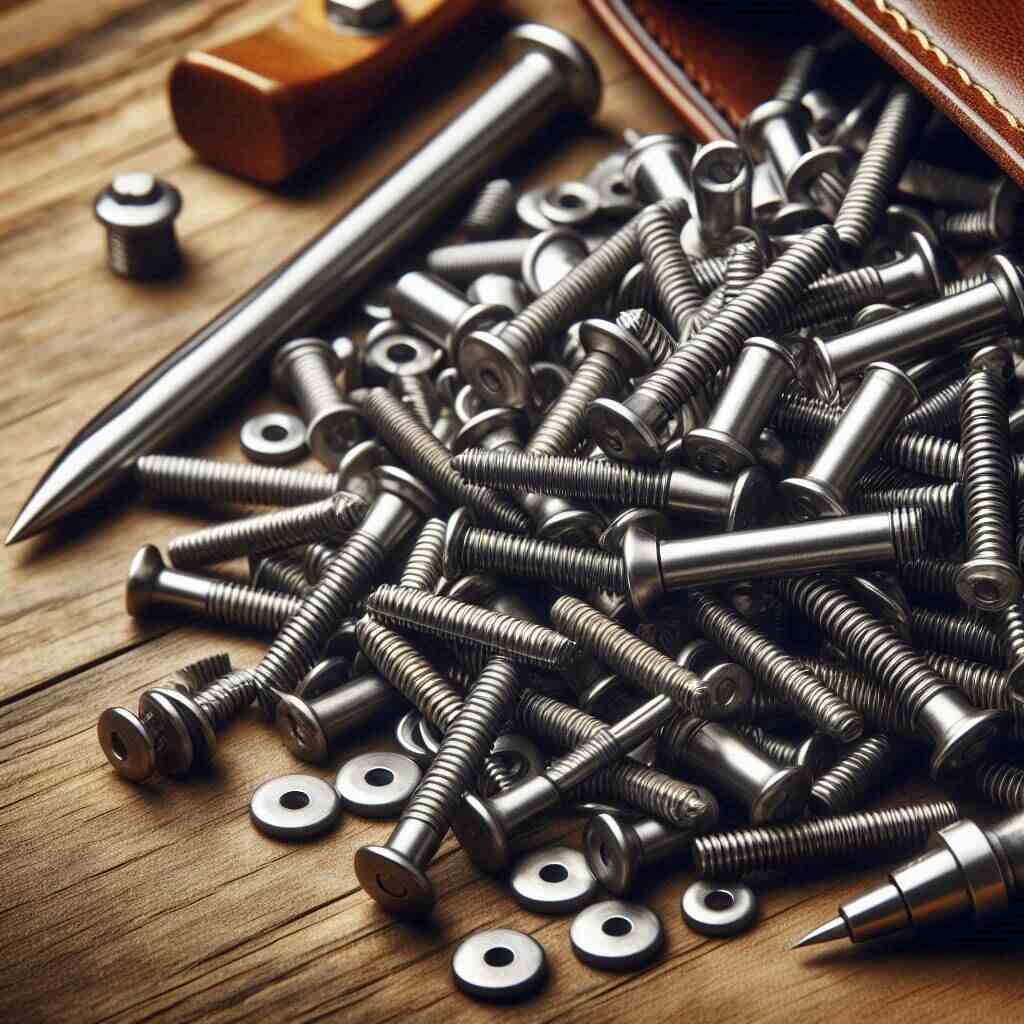
Stainless Steel Rivets: A Complete Guide
Introduction to Stainless Steel Rivets
When it comes to joining materials securely, stainless steel rivets are a go-to choice for many industries and DIY enthusiasts alike. They offer a strong, durable, and long-lasting fastening solution that doesn’t rely on screws or welding. But what exactly makes them so special?
What Are Stainless Steel Rivets?
Stainless steel rivets are metal fasteners used to join two or more pieces of material, usually metal, plastic, or wood. Unlike screws, rivets are permanent once installed—they hold components together by deforming the rivet’s tail, locking it in place. Their stainless steel composition ensures resistance to rust and corrosion, making them ideal for outdoor and high-moisture environments.
Brief History of Rivets
Rivets have been around for centuries, with early uses in bridge construction and shipbuilding. The evolution to stainless steel rivets came with the discovery of stainless steel in the early 20th century, providing the same strength as traditional rivets but with superior corrosion resistance. Today, they’re everywhere, from airplanes to furniture to DIY projects at home.
Types of Stainless Steel Rivets

Choosing the right type of rivet depends on your project. Here are the most common types:
Solid Rivets
These are the classic rivets, solid metal rods with a head on one end. After insertion, the tail is deformed with a hammer or rivet gun to secure materials. Solid rivets are ideal for heavy-duty applications where maximum strength is required.
Blind Rivets (Pop Rivets)
Blind rivets, commonly called pop rivets, are designed for situations where you can only access one side of the material. They use a mandrel that pulls through the rivet body to expand it, fastening materials together. Popular in automotive and construction projects.
Semi-Tubular Rivets
These rivets have a partially hollow tail, making them easier to deform. They’re commonly used in electronics, appliances, and light machinery, offering a balance between strength and ease of installation.
Drive Rivets
Drive rivets are installed by driving a pin into the hollow body, expanding it to lock materials together. Often used in metal fabrication and automotive interiors, they’re perfect for quick installations where high shear strength isn’t critical.
Advantages of Stainless Steel Rivets

Why are stainless steel rivets so popular? Let’s break down their key benefits.
Corrosion Resistance
Unlike regular steel or iron rivets, stainless steel doesn’t rust easily. This makes it perfect for marine environments, outdoor structures, and humid areas.
High Strength and Durability
Stainless steel rivets provide a strong mechanical bond, ensuring your materials stay firmly connected for years. They handle high-stress applications better than many other fasteners.
Temperature Resistance
Whether it’s a scorching summer day or a freezing winter night, stainless steel rivets maintain their structural integrity. They can withstand high and low temperatures without losing strength.
Low Maintenance
Thanks to their corrosion resistance and durability, stainless steel rivets rarely need attention. Once installed, they typically last decades without replacement.
Applications of Stainless Steel Rivets

Stainless steel rivets aren’t limited to a single industry, they’re versatile and widely used.
Automotive Industry
Cars, trucks, and motorcycles use rivets for body panels, seat frames, and exhaust components. They provide secure fastening while reducing vibration.
Aerospace and Aviation
Aircraft require lightweight yet strong fasteners. Stainless steel rivets meet these demands, holding fuselage panels and critical components together.
Marine and Shipbuilding
Rivets in boats, ships, and docks withstand constant exposure to water. Stainless steel rivets resist rust and corrosion, crucial for maritime durability.
Construction and Architecture
From steel frameworks to modern façade panels, rivets hold structural components securely. They’re preferred for bridges, towers, and decorative metalwork.
DIY Projects and Home Repairs
Homeowners love using stainless steel rivets for furniture assembly, garden structures, and metalwork because they’re easy to install and long-lasting.
How to Choose the Right Stainless Steel Rivet
Picking the wrong rivet can lead to weak joints or material damage. Consider these factors:
Considering Material Grade
Stainless steel comes in different grades, like 304 and 316. Grade 316 offers higher corrosion resistance, ideal for marine or chemical environments, while 304 works for general applications.
Rivet Size and Length
The diameter and length of the rivet must match the thickness of your materials. Too short, and it won’t hold; too long, and it may deform improperly.
Type of Rivet for the Job
Solid rivets for heavy-duty projects, blind rivets for one-sided access, or semi-tubular rivets for light assemblies—choose based on accessibility, strength, and application.
Installation and Best Practices
Installing rivets correctly ensures maximum performance.
Tools Needed
- Rivet gun or hammer (depending on rivet type)
- Drill for creating holes
- Measuring tape or caliper
- Safety goggles and gloves
Step-by-Step Installation Guide
- Measure and mark where the rivet will go.
- Drill the hole slightly larger than the rivet diameter.
- Insert the rivet through the materials.
- Use a rivet gun or hammer to deform the tail and lock it in place.
- Check for tightness and ensure the joint is secure.
Safety Tips
Always wear eye protection and gloves. Avoid using excessive force that could deform the rivet incorrectly or damage materials.
Stainless Steel Rivets vs. Other Rivets
How do stainless steel rivets stack up against alternatives?
Aluminum Rivets
Lightweight and corrosion-resistant but weaker than stainless steel, making them better for lightweight projects.
Copper Rivets
Good for decorative purposes or electrical applications due to conductivity, but less durable than stainless steel.
Comparison Table of Different Rivets
| Rivet Type | Strength | Corrosion Resistance | Best Use |
|---|---|---|---|
| Stainless Steel | High | Excellent | Outdoor, heavy-duty |
| Aluminum | Medium | Good | Lightweight, DIY |
| Copper | Medium | Moderate | Decorative, electrical |
Maintenance and Longevity
Cleaning Stainless Steel Rivets
Use mild soap, water, and a soft brush. Avoid harsh chemicals that may scratch or dull the surface.
Inspecting for Wear and Tear
Periodically check rivets for deformation, corrosion spots, or loosening. Early detection prevents bigger structural issues.
When to Replace Rivets
Replace rivets if they appear bent, cracked, or corroded. In critical applications like aerospace or marine, never risk failure.
Environmental Impact
Recyclability
Stainless steel is 100% recyclable, reducing waste and environmental footprint.
Eco-Friendly Manufacturing
Modern stainless steel production focuses on energy efficiency and reducing emissions, making it a more sustainable choice.
Common Problems and Troubleshooting
Rivet Loosening
Often caused by improper installation or vibration. Solution: ensure proper tail deformation and tight fit.
Corrosion Issues
Though stainless steel resists rust, exposure to harsh chemicals can still damage it. Solution: choose high-grade 316 rivets for extreme environments.
Deformation During Installation
Occurs when too much force is applied. Use correct tools and rivet sizes to avoid this problem.
Tips for Buying Stainless Steel Rivets
Online vs. Local Suppliers
Online stores offer variety and bulk options, while local suppliers provide hands-on assistance and faster access.
Bulk Buying Advantages
Buying in bulk can reduce cost per rivet and ensures you have a ready supply for multiple projects.
Checking Quality Standards
Look for ISO or ASTM certifications to ensure rivets meet industry standards and offer reliable performance.
Conclusion
Stainless steel rivets are a reliable, durable, and versatile fastening solution. From aerospace to DIY projects, their corrosion resistance, strength, and low maintenance make them a top choice. By understanding the types, applications, and installation techniques, you can choose the right rivet for your project and ensure long-lasting results.
FAQs
- Are stainless steel rivets stronger than aluminum rivets?
Yes, they offer higher strength and durability, especially for heavy-duty applications. - Can stainless steel rivets rust?
They are highly resistant to rust, but exposure to extreme chemicals or saltwater may cause minor corrosion if low-grade material is used. - What tools are needed to install rivets?
A rivet gun or hammer, drill, measuring tools, and safety equipment are essential. - What is the difference between solid and blind rivets?
Solid rivets require access to both sides of the material, while blind rivets can be installed from one side. - Can I use stainless steel rivets for wood projects?
Yes, they can be used for wood, plastic, and metal assemblies. - Which stainless steel grade is best for marine applications?
Grade 316 is ideal due to its superior corrosion resistance. - How long do stainless steel rivets last?
With proper installation, they can last decades without maintenance. - Can stainless steel rivets withstand high temperatures?
Yes, they maintain strength in both high and low temperature environments. - Are stainless steel rivets recyclable?
Yes, they are 100% recyclable and environmentally friendly. - Where can I buy quality stainless steel rivets?
You can buy them from online retailers, hardware stores, or specialized industrial suppliers.