Stainless Steel Threaded Rod: The Complete Guide
If you’ve ever bolted a shelf, hung an HVAC unit, or put together outdoor furniture, you’ve probably met the humble threaded rod — and when it’s stainless steel, it’s like that dependable friend who shows up no matter the weather. Curious what makes a stainless steel threaded rod different, when to use one, and how to pick the right type for your job? Let’s walk through it step by step.
What Is a Stainless Steel Threaded Rod?
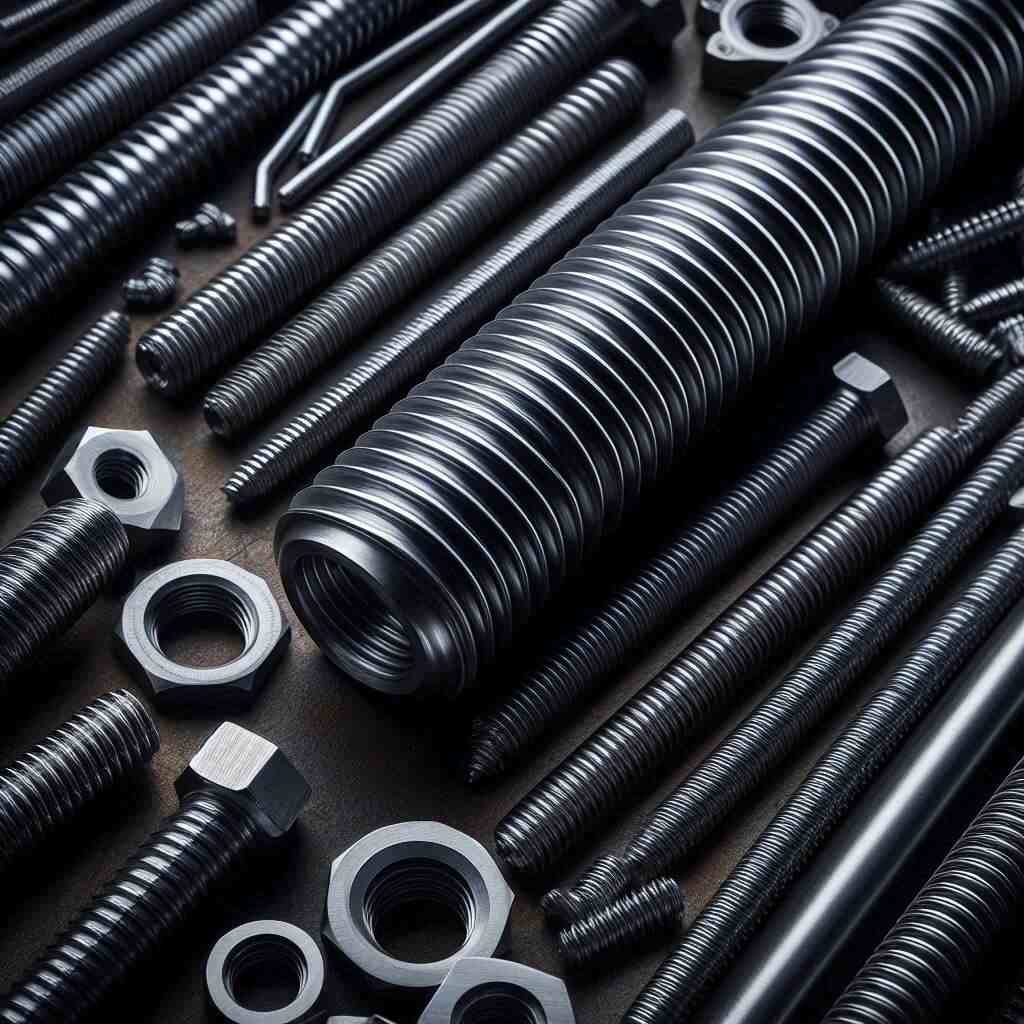
A stainless steel threaded rod (also called a threaded bar or stud) is a long, straight metal rod with continuous or partial threads along its length. Unlike a bolt, it’s typically used where custom length, through-fastening, or tensioning over a distance is needed. Swap out plain steel for stainless and you add corrosion resistance, better aesthetics, and often longer life — especially outdoors or in harsh environments.
Types of Stainless Steel Threaded Rods
Full-Thread vs Partial-Thread
- Full-threaded rods have threads along their entire length. They’re versatile: cut to length, pair with nuts at either end, and you’ve got adjustable tension.
- Partial-thread rods have a smooth shank section — useful when you need shear strength or a shoulder to bear load.
Solid Rod vs Stud
- Solid threaded rod: One continuous piece, used for general fastening.
- Stud: Usually has two threaded ends with a plain center, often used in engines or specialized connections.
Common Stainless Steel Grades
304 (A2) — The General-Purpose Favorite
Grade 304 is the all-rounder: good corrosion resistance, easy to machine, and widely available. It’s perfect for indoor and mildly corrosive outdoor uses.
316 (A4) — For Corrosive and Marine Environments
316 contains molybdenum, which boosts resistance to chlorides and saltwater. If your project faces coastal air, salt spray, or chemicals, 316 is the best option.
Other Grades (201, 410, Duplex)
- 201: A cost-effective option with reduced corrosion resistance.
- 410: Stronger but less resistant to corrosion.
- Duplex steels: High strength with great corrosion resistance, often used in industrial settings.
Thread Standards and Sizes
Metric vs Imperial (UNC/UNF)
Threaded rods come in metric (M6, M8, M10, etc.) and imperial (1/4″, 3/8″ UNC/UNF, etc.) sizes. Always match the system to your nuts and project standards.
Coarse vs Fine Threads
- Coarse threads: Easier to assemble, more tolerant of dirt, common in general applications.
- Fine threads: Provide better tensile strength and resist loosening under vibration when used with locking devices.
Mechanical Properties and Strength
Strength varies by grade and treatment. Some rods are structural and meet specific strength classes; others are general-purpose. Always match strength ratings to load requirements and apply safety margins.
Corrosion Resistance and Ideal Environments
- 304: Works well indoors and outdoors in mild conditions.
- 316: Handles saltwater and chlorides better.
- Specialty alloys: Needed for highly acidic or harsh chemical settings.
⚠️ Watch out for galvanic corrosion when stainless contacts dissimilar metals in wet environments.
Surface Finishes and Treatments
- Mill finish: Raw, standard look.
- Passivation: Removes impurities and enhances the protective oxide layer.
- Electropolishing: Improves appearance and corrosion resistance.
Applications of Stainless Steel Threaded Rods
Construction and Structural Uses
Widely used in anchors, suspended ceilings, and hangers where durability matters.
Marine, Coastal, and Chemical Processing
Standard in boats, docks, and chemical plants where moisture and corrosives are common.
DIY, Furniture, and Specialty Projects
Industrial-style shelving, outdoor furniture, and even art installations often feature exposed stainless rods.
Installation Tips and Best Practices
Cutting and Re-Threading
After cutting, always clean the threads. Run a nut over the end to reform threads or use a die to chase them.
Torque and Proper Engagement
Avoid over-tightening. Use torque wrenches and locking washers or compounds to keep connections secure under vibration.
Stainless vs Carbon Steel Threaded Rods
- Stainless steel: More expensive but resists rust, looks better, and lasts longer.
- Carbon steel: Cheaper and often stronger, but needs coatings or treatments to resist corrosion.
Buying Guide — What to Check
- Grade (304 vs 316)
- Length and diameter
- Thread type (metric or imperial)
- Certification (for structural projects)
- Finish (mill, polished, passivated)
- Supplier reliability
Care and Maintenance
Keep rods free from dirt and salt buildup. Regular rinsing in coastal areas extends life. Replace damaged or corroded rods rather than trying to repair them.
Common Mistakes to Avoid
- Using 304 in marine environments instead of 316.
- Not re-threading after cutting.
- Over-tightening, which damages threads.
- Mixing metals without protection, leading to corrosion.
- Skipping certifications for structural applications.
Cost Considerations
Stainless rods cost more upfront, but they save money long-term by reducing maintenance and replacements — especially in outdoor or corrosive environments.
Environmental and Recycling Benefits
Stainless steel is 100% recyclable. Old rods can be melted down and reused in new steel production, making them a sustainable choice.
Conclusion
A stainless steel threaded rod may look like a simple piece of hardware, but it’s a powerhouse in construction, marine projects, and DIY builds. Choosing the right grade, thread type, and finish ensures long-lasting performance. Whether you’re building industrial shelving or anchoring beams in a coastal environment, stainless threaded rods bring both strength and durability to the table.
FAQs
1. What’s the difference between a threaded rod and a bolt?
A threaded rod is a long bar with threads, usually cut to length and paired with nuts. Bolts have heads and are designed for clamping.
2. Which is better outdoors, 304 or 316 stainless?
316 is better in saltwater and corrosive settings. 304 works fine for most general outdoor uses.
3. Can I cut stainless steel threaded rods myself?
Yes. Use a saw, then clean the threads with a nut or die and deburr the edge.
4. How do I stop rods from loosening under vibration?
Use lock nuts, washers, or thread-locking compounds for added security.
5. Should I use metric or imperial threads?
Match the standard to your hardware and project requirements.
6. Are stainless threaded rods magnetic?
304 and 316 are mostly non-magnetic, but other grades (like 410) are magnetic.
7. Do they need special maintenance?
Not much. Just occasional cleaning in harsh environments.
8. Can stainless rods be used as concrete anchors?
Yes, especially in corrosive environments, but ensure proper embedment and grade selection.
9. Is passivation necessary after cutting?
Yes, for maximum corrosion resistance. It restores the protective oxide layer.
10. How do I pick the right diameter for load-bearing?
Consult engineering tables or an expert to match grade, size, and strength to your load.