
The Pursuit of Wanderlust Crater Lake, Oregon Part 1
Ever felt that magnetic pull toward a place so pristine and surreal it feels like stepping into a dream? That’s exactly what Crater Lake in Oregon does to your soul. Tucked away in the Cascade Mountains, this sapphire gem has been beckoning wanderlust seekers for generations. Whether you’re chasing epic photos, craving restorative solitude, or simply chasing the horizon, Crater Lake promises an adventure as deep and clear as its waters.
Crater Lake Unveiled: A Geological Marvel
Formation and History
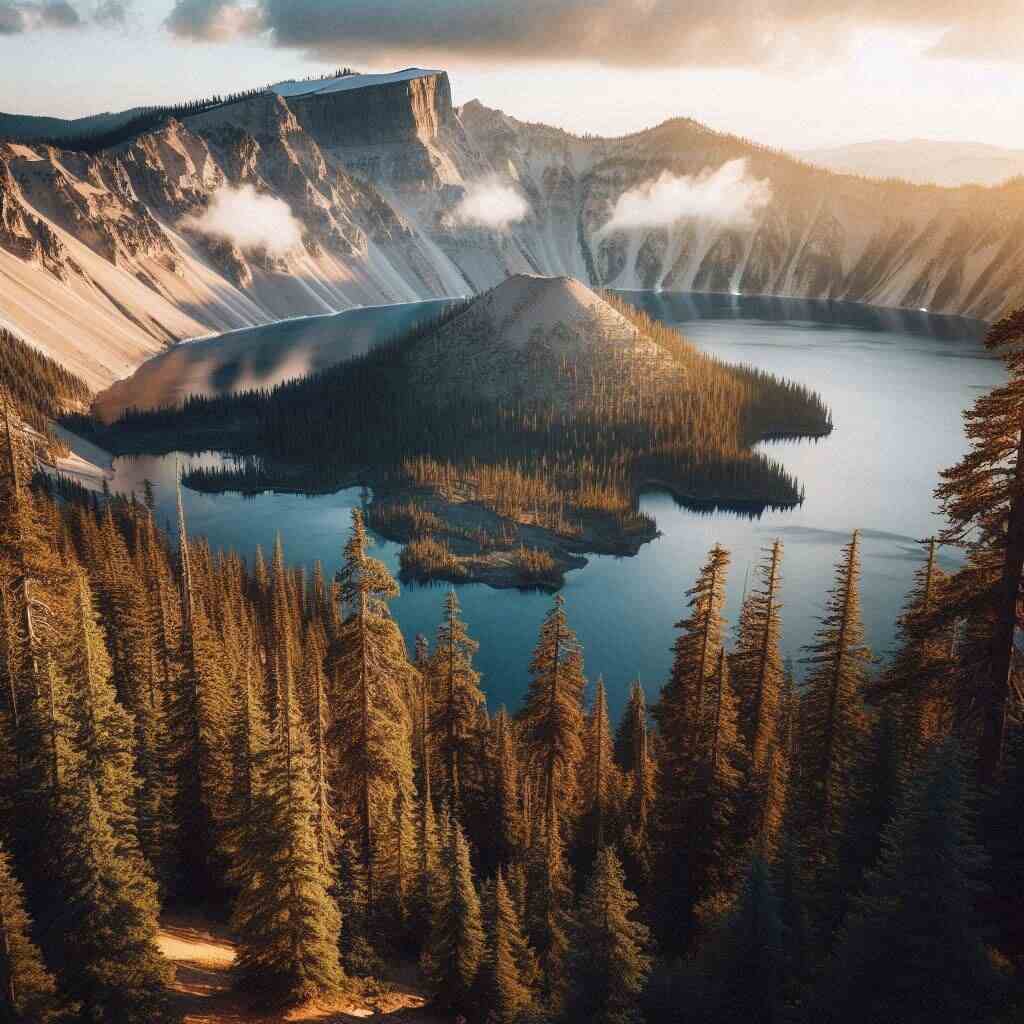
Imagine a colossal volcanic eruption 7,700 years ago—the collapse of Mount Mazama left behind a caldera that over centuries filled with rain and snowmelt to create Crater Lake. It’s not just any lake; it’s the deepest in the United States at 1,943 feet, with water so clear you can see down over 100 feet on a calm day.
Unique Characteristics
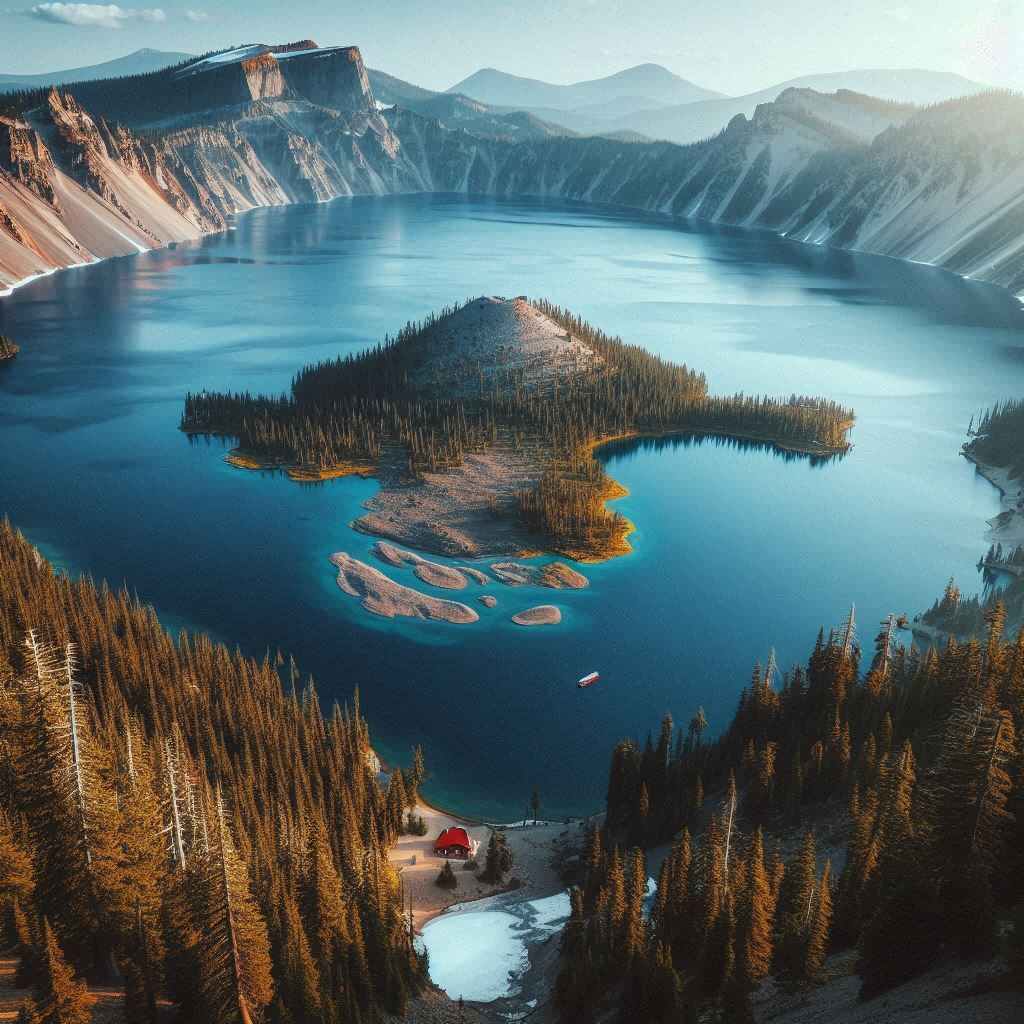
What sets Crater Lake apart is not only its depth but its intense blue hue, a result of pure, unpolluted water and the way sunlight interacts with it. Devil’s Thumb, Wizard Island, and Phantom Ship are just a few of the enchanting features that dot the lake’s surface.
Planning Your Escape to Crater Lake
Best Times to Visit
Spring snows can linger into June, keeping Rim Drive closed early on—but for solitude and snowy landscapes, late spring is magical. Summer (July to September) brings full access, wildflower blooms, and warm days. Fall’s foliage spectacle lasts until October, then winter returns with snowbound serenity.
Permits, Passes, and Fees
A Crater Lake entry pass is required year-round: roughly $30 per vehicle. Annual passes and America the Beautiful passes apply too. If you plan to camp, book early; campgrounds fill fast from July to August.
Navigating the Rim – Scenic Drives & Viewpoints
Rim Drive Highlights
This 33-mile loop hugs the caldera edge, offering over 30 pullouts. Watchman Overlook provides panoramic vistas. Phantom Ship Overlook is your go-to for the spooky islet jutting from the water.
Sunset & Sunrise Spots
Head to Watchman Point for fiery sunsets that set the caldera rim ablaze. For sunrise, Cloudcap Overlook—though a rugged detour—rewards early risers with mist dancing on the lake before dawn.
Trails Less Traveled – Hiking Adventures
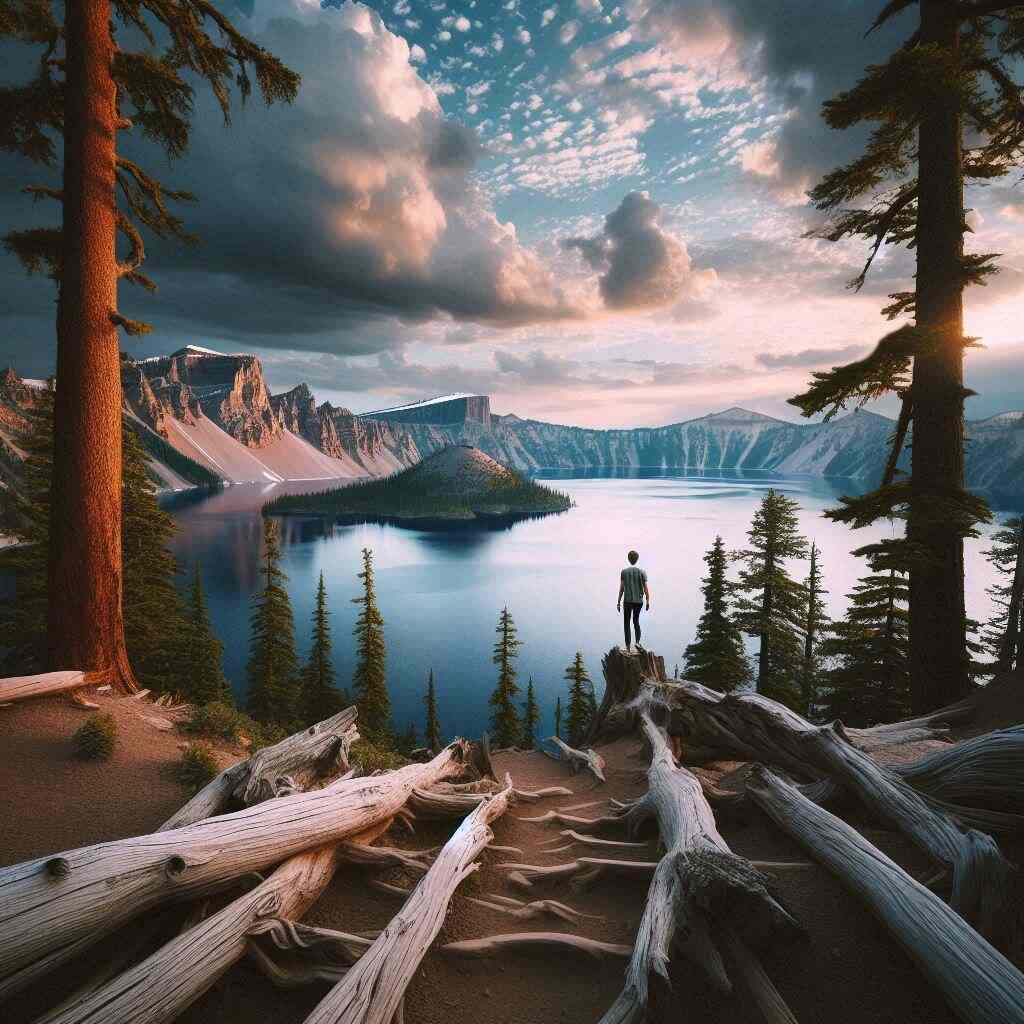
Cleetwood Cove Trail
The only footpath down to the lake’s shore, this 2.2-mile round trip is steep but rewarding. Slip your boots off and wade into crystalline blue waters—refreshment doesn’t get more epic than this.
Watchman Peak Trail
Just under a mile, this trail climbs to Watchman Peak. The payoff? A 360° panorama of the lake, the rim, and distant Cascade peaks. Pack layers; it’s breezy at the summit.
Insider Tips for Hikers
Start early to snag parking and beat the heat. Bring trekking poles for descents, and always carry water—mountain sun is deceptive!
Beyond the Blue – Wildlife & Flora
Endemic Plant Life
Snowbrush ceanothus, lupine, and alpine heather paint the rim in vivid purples, yellows, and pinks come summer. These resilient species cling to volcanic soils, creating a delicate tapestry around the caldera.
Animal Encounters
Keep an eye out for Clark’s nutcrackers darting among trees and majestic bald eagles soaring overhead. Spot deer grazing in meadows at dawn, and if you’re lucky, glimpse a shy fox or pine marten.
Capturing Crater – Photography Tips
Essential Gear
A wide-angle lens is non-negotiable for capturing the lake’s scale. Neutral density filters help tame bright skies during long exposures. A sturdy tripod and extra batteries round out your kit.
Composition Techniques
Use leading lines—the rim’s curve guides eyes to Wizard Island. Frame shots through pine branches or foreground wildflowers for depth. Don’t just photograph the lake; photograph people experiencing it for emotional impact.
Seasonal Splendors – Winter to Summer
Winter Wonderland
Snow transforms the landscape into a silent wonderland. Cross-country skiing along Rim Drive offers otherworldly views. Remember: snowshoes or skis required past plowed roads.
Summer Serenity
Warm days lure swimmers, kayakers, and boaters (permit needed) onto the lake. Wildflower season peaks in July, painting the rim’s slopes in vibrant hues against the blue backdrop.
Cultural Echoes – Native American Legends
Klamath Tribe Stories
Local Klamath legend speaks of the spirit of Llao (mountain spirit) battling Skell (sky spirit), their clash collapsing the mountain and creating the lake. These tales remind us that landscapes carry ancient voices.
Amenities & Accommodations Near Crater Lake
Lodges, Cabins, & Campgrounds
Crater Lake Lodge, perched on the rim, offers rustic charm with modern comfort. Mazama Village Campground is ideal for tents and RVs. For a backcountry vibe, secure a permit for Lost Creek Campground.
Local Dining Options
Park dining is limited—pack a picnic or opt for the lodge’s dining room. Outside the park, the nearby Mazama Village Store serves deli sandwiches and snacks; Prospect and Klamath Falls offer full-service restaurants.
Conservation & Responsible Travel
Leave No Trace Principles
Pack out what you pack in. Stick to designated trails to protect fragile soils. Avoid feeding wildlife—observe from a distance to keep animals wild.
Supporting Park Initiatives
Consider donating to the Crater Lake Conservancy or volunteering for trail maintenance. Your contribution helps preserve this wonder for future generations.
Real Traveler Tales – Personal Experiences
“Watching that sunrise over the rim, it felt like the world paused just for me,” says Emma, a first-time visitor. “On the Cleetwood Cove Trail, I slipped my feet into ice-cold water—pure magic!” Stories like these fuel the wanderlust that brings us back, year after year.
Conclusion
Crater Lake is more than a destination; it’s an invitation—to pause, reflect, and surrender to wonder. Whether you’re driving the rim at sunset, dipping toes into sapphire depths, or tracing legends of old, this place leaves an indelible mark. Part 1 of our journey scratched the surface; Part 2 will delve even deeper. Ready to heed the call?
Frequently Asked Questions
1. What is the best time of year to visit Crater Lake?
The prime window is July through September for full road access, wildflower blooms, and mild weather, though each season offers its own magic.
2. Do I need a permit to hike or camp at Crater Lake?
Day visitors need an entry pass; overnight campers require campsite reservations. Backcountry permits are needed for Lost Creek and other primitive sites.
3. Can I swim in Crater Lake?
Yes! Cleetwood Cove Trail leads to the only legal swimming spot. Water stays around 50°F (10°C) even in summer—brace for a chill.
4. Are there guided tours available?
The park offers ranger-led hikes and boat tours on Cleetwood Cove (permit required). Check the National Park Service schedule when planning.
5. How long does Rim Drive take?
Allocate at least 2–3 hours to drive the 33-mile loop without stops. Add extra time for hiking, photos, and overlook breaks.