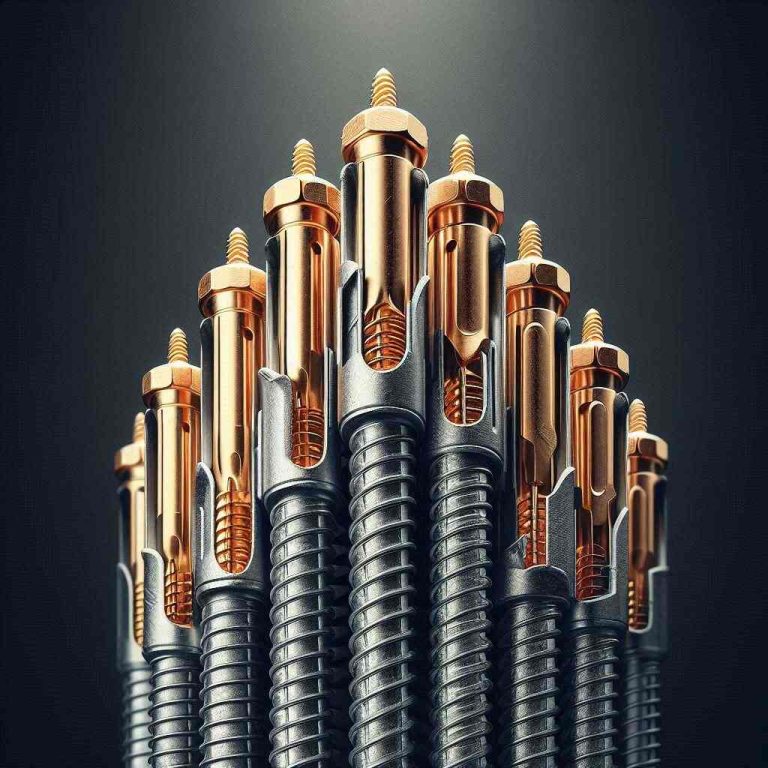

Concrete Screws: The Ultimate Guide
Concrete screws often sit in the shadow of fancier anchors, yet they’re the unsung heroes of any sturdy build. Think of them as the reliable workhorse you call when you need something solid, no fuss. Whether you’re hanging a shelf in your garage or fastening steel brackets in a warehouse, these screws deliver grip and strength. Let’s dive into how they work, why they excel, and everything you need to choose, install, and maintain them like a pro.
What Are Concrete Screws?

Definition and Overview
Concrete screws are threaded fasteners designed specifically for anchoring into hard materials like concrete, masonry, and brick. Unlike traditional wood screws that carve into soft fibers, concrete screws cut threads into pre-drilled holes, creating a mechanical bond with predictable load capacities. They look like oversized sheet-metal screws, but their hardened steel and unique thread geometry make them ideal for tough substrates.
History and Evolution
The concept of fastening into concrete goes back centuries, but early anchors relied on wedges, sleeves, or cementitious adhesives. In the late 20th century, manufacturers developed hardened, thread-cutting screws that could be driven directly into concrete under torque. This innovation slashed installation time, eliminated bulky sleeves, and standardized load ratings, paving the way for today’s diverse lineup of concrete screws.
Advantages of Using Concrete Screws
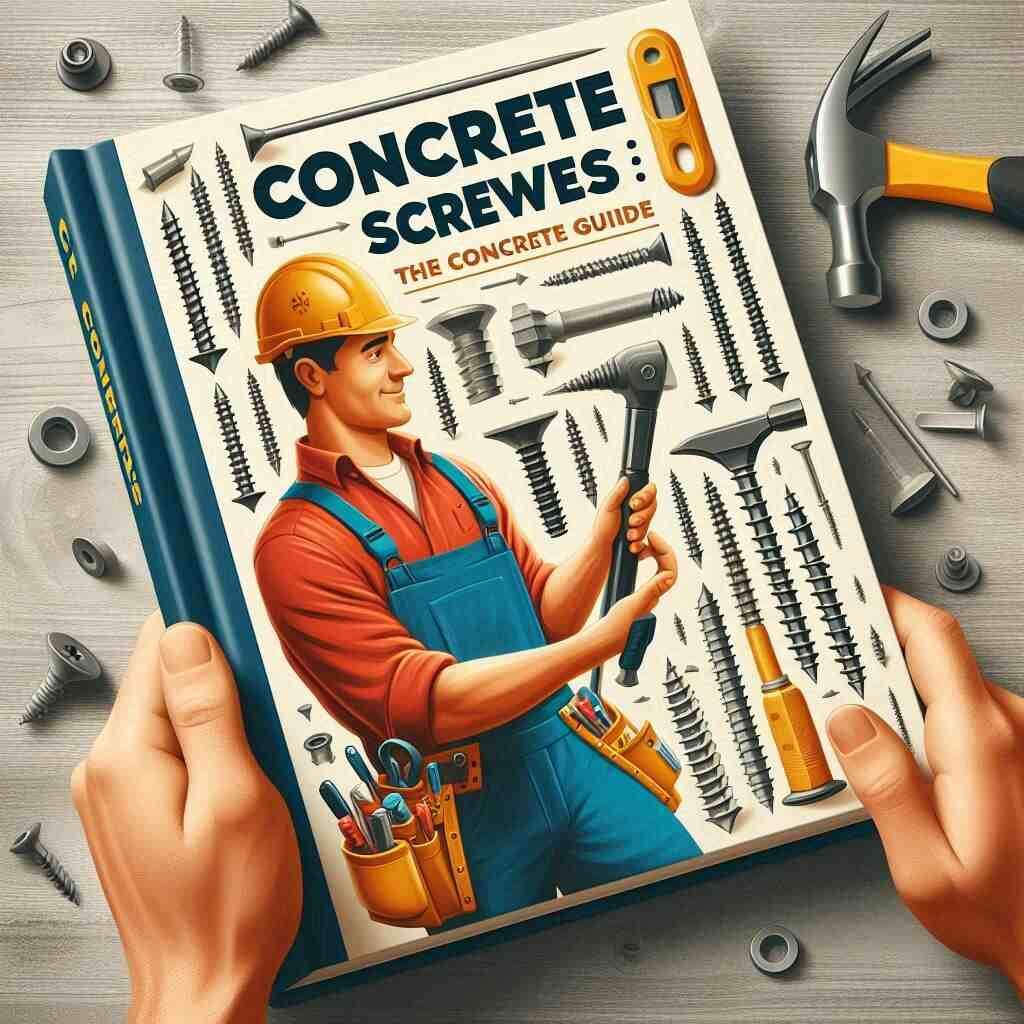
Strength and Durability
Concrete screws offer remarkable tensile and shear strength once properly installed. Their high-carbon or alloy-steel cores resist bending under heavy loads. Plus, specialized corrosion-resistant coatings—zinc plating or epoxy paints—ensure long-term durability in damp environments.
Ease of Installation
No resin or special adhesives needed. Drill, blow out the dust, and drive—simple as that. If you’ve got a hammer drill and the right drill bit, installation typically takes under a minute per anchor. This speed matters when you’re on a tight timeline or working at height.
Versatility Across Applications
From garage shelving to industrial racking, concrete screws adapt to myriad tasks. Their ability to secure light fixtures, handrails, signage, and heavy machinery makes them indispensable in construction, renovation, and DIY projects alike.
Types of Concrete Screws
Standard Hex-Head Concrete Screws
These feature a hexagonal head for wrench or socket installation. The large bearing surface disperses load, making them a go-to for medium‐duty tasks like window frames or shelving supports.
Collar Screws
Collar screws combine a hex head with an integrated washer-like collar. That flange increases surface area, preventing pull-through on soft materials like wood attached to concrete.
Flat-Head Concrete Screws
Designed to sit flush with the surface, flat-head screws work well when you need a clean finish—ideal for mounting handles, plates, or trim where a protruding head would be unsightly or obstructive.
Heavy-Duty Concrete Screws
Engineered for maximum load, these screws boast larger diameters (often ½ inch or more) and deeper threads. Use them for securing structural brackets, steel beams, and heavy machinery where safety margins must be high.
Choosing the Right Concrete Screw
Material and Coatings
Plain carbon-steel screws are budget-friendly but prone to rust if water seeps into the hole. Zinc-coated or stainless-steel screws offer superior corrosion resistance. Epoxy or polymer coatings add another protective layer—critical in coastal or chemical environments.
Size and Length Selection
Pick a screw length that leaves at least an inch of embedment beyond the fixture thickness. Common diameters range from 3/16″ to 1/2″. A longer screw doesn’t always mean stronger; optimal embedment usually falls between 1″ and 1-3/4″.
Load Requirements
Always check the manufacturer’s load chart. Tensile capacity (pull-out strength) and shear capacity (side load) vary by diameter, embedment depth, and concrete strength. If you’re uncertain, err on the side of a larger diameter or deeper embedment.
Tools Required for Installation
Drill Bits and Hammer Drills
A quality carbide-tipped masonry bit is non-negotiable. Match the bit diameter to the screw’s pilot-hole requirements. A hammer drill mode helps the bit chew through concrete faster than a standard drill.
Screwdrivers and Impact Drivers
Hex-head or Phillips-head concrete screws work with impact drivers or ratchet wrenches. Impact drivers deliver high torque without stripping the head—perfect for snug, reliable installs.
Safety Equipment
Safety glasses, hearing protection, and a dust mask are essential. Concrete dust irritates lungs and eyes. Work gloves reduce vibration fatigue when drilling multiple holes.
Step-by-Step Installation Guide
Marking and Measuring
Start by holding your fixture in place and marking each hole location with a pencil. Double-check spacing and level before moving on.
Drilling the Pilot Hole
Set your hammer drill to hammer mode. Drill perpendicular to the surface, maintaining firm pressure. Stop once you reach the target depth marked on the bit—most bits come with depth collars.
Inserting the Screw
Clean the hole of dust with a brush or compressed air. Position the fixture, then drive the screw until the collar or head sits flush. Avoid over-tightening, which can strip the concrete threads or break the screw.
Checking Alignment and Tightness
Use a torque wrench if available, following the manufacturer’s recommended torque spec. A snug fit means the fixture won’t wobble; too tight and you risk cracking the concrete or snapping the screw.
Common Mistakes to Avoid
Overdrilling or Under-drilling
Too large a hole strips the threads, reducing holding power. Too small and the screw won’t fully engage. Match bit size exactly to the screw’s pilot-hole specification.
Incorrect Screw Selection
Using a short or thin screw to save money compromises safety. Always choose a screw with the right diameter, length, and coating for the job.
Skipping Cleaning the Hole
Dust acts like ball bearings, preventing the screw threads from biting into concrete. Always blow or brush out debris before insertion.
Maintenance and Inspection
Regular Inspections
Periodically check anchored fixtures for looseness, especially in high-vibration settings like machinery mounts. A quick wiggle-test tells you if retightening is needed.
Dealing with Corrosion
If a screw shows surface rust, remove it, clean the hole, and replace it with a stainless-steel or epoxy-coated model. Sealing around the head with silicone can keep moisture out.
Replacing Worn Screws
Never attempt to reuse a stripped or bent screw. Drill it out if necessary, clear the hole, and install a fresh anchor of the same diameter or slightly larger.
Real-World Applications
Residential Projects
Homeowners use concrete screws for attaching garage shelving, mounting TV brackets on concrete walls, and securing fence posts to patios. The speed of installation means weekend DIYers finish jobs in a single afternoon.
Commercial and Industrial Use
In warehouses, concrete screws anchor pallet racking, mezzanine platforms, and safety railings. Their predictable load ratings simplify engineering calculations in large-scale projects.
DIY vs Professional Jobs
DIYers love concrete screws for their low barrier to entry: no epoxy mixes or special adhesives. Professionals rely on them for fast turnaround, especially when working at height or under time constraints.
Comparing Concrete Screws to Other Anchors
Wedge Anchors
Wedge anchors expand inside the drilled hole, creating strong hold in high-load scenarios. But they require higher installation torque and more clearance behind the hole, making them less versatile in tight spaces.
Sleeve Anchors
Sleeve anchors offer decent pull-out strength but can corrode if water enters between sleeve and stud. Concrete screws eliminate this gap, sealing the hole more effectively.
Drop-In Anchors
Drop-in anchors sit flush below the surface, ideal for floor fixtures. Installation demands a setting tool and precise depth control. Concrete screws skip that tool but leave a head above the surface.
Environmental Considerations
Sustainability of Materials
Most concrete screws are steel-based, and steel is highly recyclable. Choosing screws with minimal packaging and water-based coatings reduces environmental impact.
Recycling and Disposal
Old screws can be collected and sent to metal recycling centers. Avoid tossing them in general waste. Proper disposal keeps steel in the circular economy and out of landfills.
Impact on Structural Integrity
Overdrilling multiple anchors in a single zone may weaken a concrete wall if holes overlap. Plan anchor patterns to avoid compromising structural elements, especially in thin walls.
Cost Analysis and Budgeting
Price Breakdown
A box of 50 standard concrete screws might range from $15 to $30, depending on diameter and coating. High-end stainless-steel or specialty screws can exceed $1 per piece.
Cost vs Performance
Spending a few cents more per screw on corrosion-resistant coatings can extend anchor life by years. In critical installations, that upfront cost pays off in safety and reduced maintenance.
Tips for Saving Money
Buy in bulk, compare suppliers, or opt for multi-size assortments. Keep a small stash of common sizes on hand to avoid rushed small orders with premium shipping.
Future Trends in Screw Technology
Smart Fasteners
Embed tiny sensors in screw heads to monitor torque, temperature, or vibration in real time. Early adopters in aerospace and infrastructure are already experimenting with these “digital anchors.”
Nanocoatings and Advanced Materials
Graphene-infused coatings promise ultra-thin, ultra-durable corrosion protection. Researchers are also exploring composite-metal screws that balance high strength with lower weight.
Conclusion
Concrete screws have revolutionized the way we anchor fixtures in masonry and concrete. Their combination of high strength, ease of use, and versatility makes them a staple for DIY enthusiasts and professionals alike. By selecting the right screw, using proper tools, and following best practices, you’ll ensure secure, long-lasting installations every time. Ready to upgrade your anchoring game? Grab your drill, pick the right screw, and get building with confidence.
FAQs
1. What’s the difference between concrete screws and masonry nails? Masonry nails rely on sheer friction and often bend under load. Concrete screws cut threads into the hole, creating a mechanical interlock that’s far stronger and more reliable.
2. Can I use concrete screws in brick veneer? Yes, provided you drill into the solid backing behind the veneer. Avoid relying solely on the thin brick skin, which can crack under torque.
3. Do I need a hammer drill for small diameter screws? While small screws can sometimes be installed with a standard drill, a hammer drill ensures faster holes and less wear on your tool and bits.
4. How deep should the pilot hole be? Drill at least as deep as the screw’s embedment depth plus a few millimeters extra for dust. Many bits come with depth collars to guide you.
5. Are there color-coded concrete screws? Some brands use colored heads or packaging to indicate diameter and thread type, simplifying selection on busy job sites.
6. Can I remove and reuse concrete screws? It’s not recommended. Removal often strips the concrete threads, reducing holding power. Always install a new screw in a cleaned hole.
7. How do I fix a screw that strips the hole? Drill the hole slightly larger, clear out debris, and use a larger-diameter screw. If loads are critical, consider a different anchor type.
8. Do I need special anchors for overhead applications? Concrete screws can work overhead if they meet load requirements, but always adhere to the manufacturer’s hang-time and torque specs.
9. What coating is best for outdoor use? Stainless steel or epoxy-coated screws resist rust in wet conditions. Zinc plating alone may not last in coastal environments.
10. How can I reduce concrete dust while drilling? Use a dust extraction attachment on your drill or pause frequently and blow out holes with compressed air. Wearing a NIOSH-approved dust mask also helps.