
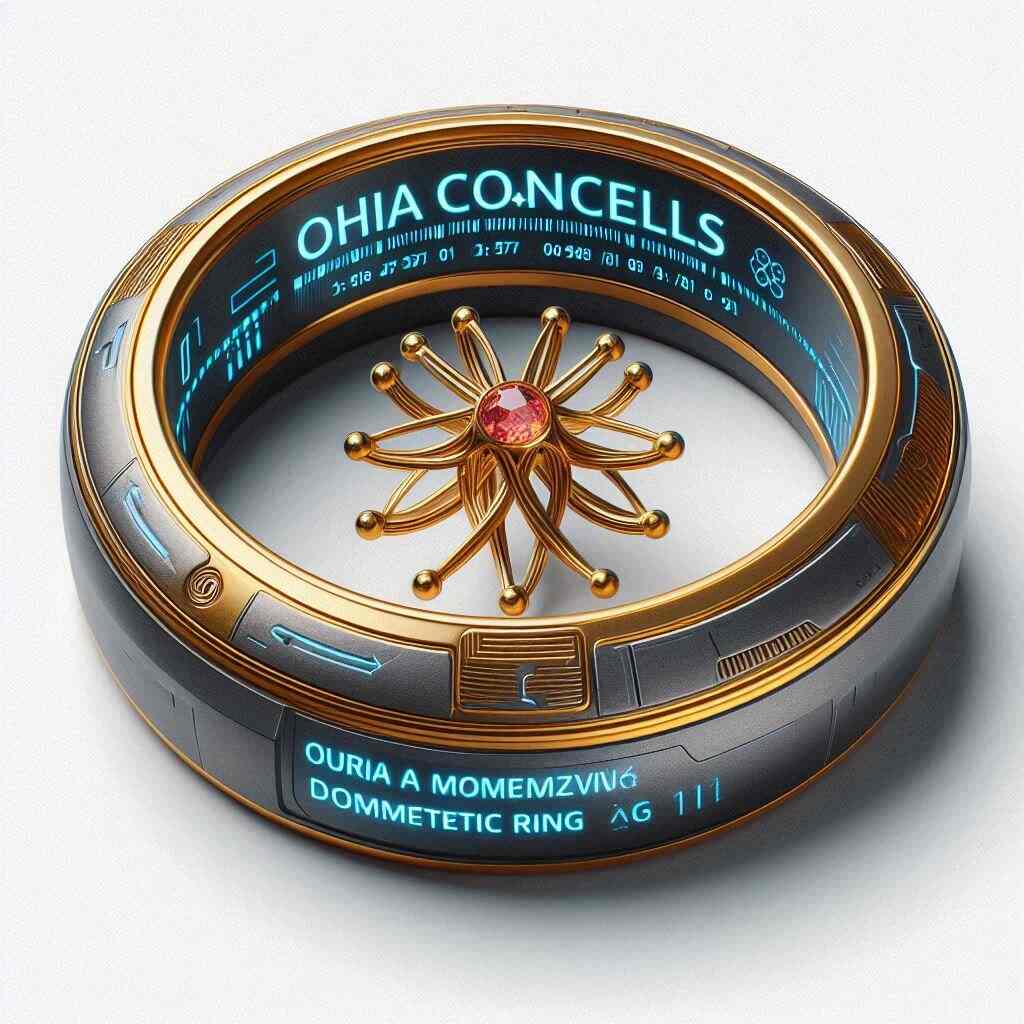
DHA Cancels Ouraring Biometric Ring Solicitation
Introduction
The Defense Health Agency’s (DHA) sudden cancellation of its planned $96 million biometric ring program involving the Oura Ring has stirred conversations in the tech, defense, and privacy communities. This wasn’t just another government contract—it was a high-profile initiative blending wearable technology with military health monitoring.
So, what happened? Why did the DHA walk away from a deal that had the potential to change how the military approaches wellness and performance? Let’s break down the background, the controversy, and what this decision means for the future.
Background: What Was the Oura Ring Solicitation?

In October 2024, the DHA announced a sole-source contract worth roughly $96 million to Oura, a Finnish company known for its smart biometric ring.
The program aimed to use the Oura Ring’s advanced health-tracking capabilities—such as sleep analysis, stress monitoring, recovery tracking, and resilience scoring—to improve the wellbeing of U.S. service members and military healthcare staff.
This wasn’t just about hardware. The contract included health data analytics, personalized insights, and wellness dashboards, making it a complete biometric monitoring solution.
Timeline of Events

October 2024 – Contract Announcement
The DHA awards the $96 million contract directly to Oura without competitive bidding.
Late 2024 – Protests Begin
WHOOP, a competing wearable manufacturer, challenges the deal, arguing that the requirement for a “ring form factor” unfairly favored Oura.
November–December 2024 – Solicitation Reissued
After the protest, DHA cancels the initial award but reissues the solicitation—still focused on ring-based devices, which triggers another round of criticism.
January 2025 – Second Protest Filed
WHOOP files another protest, claiming the changes were not enough to ensure fair competition.
March 2025 – Cancellation Announced
DHA abruptly cancels the solicitation, stating the program was “no longer required” and “no longer a priority.”
Why the Solicitation Became Controversial

The controversy boiled down to three key issues:
- Lack of Competitive Bidding – Awarding such a large contract without allowing other companies to compete raised concerns about fairness.
- Form Factor Restriction – Requiring a ring excluded other wearable devices that could meet the same needs, like wristbands or patches.
- Perceived Favoritism – Critics argued the solicitation was designed with Oura’s specific product in mind, giving them an unfair advantage.
Official Reason for Cancellation
When DHA announced the cancellation, the explanation was brief: the acquisition was “no longer required,” and the program was “no longer a priority.”
No detailed reasoning was shared, leaving room for speculation—ranging from budget reallocations to shifting strategic priorities within the Pentagon.
Political and Organizational Context
The timing of the cancellation coincided with significant changes within DHA and the Department of Defense:
- Leadership Shakeup – The departure of DHA’s top leader, Gen. Telita Crossland, may have contributed to program instability.
- Budget Shifts – Pentagon leadership was reviewing budgets and redirecting funds toward other priorities, potentially leaving less room for the biometric ring initiative.
Privacy, Ethics, and Trust Concerns
Biometric data collection always raises red flags—especially in a military setting.
Questions arose about:
- Who would have access to the data.
- How it would be stored and protected.
- Whether service members could truly opt out.
Without clear public assurances, privacy advocates worried the technology could cross the line from wellness monitoring into surveillance.
Technical and Operational Questions
Oura claimed its ring form factor allowed for more accurate readings than wrist-based devices. The ring’s design placed sensors on both sides of the finger, producing cleaner biometric signals.
However, critics argued these benefits didn’t justify excluding other devices. They believed the DHA should have considered a wider range of wearables capable of delivering similar results.
Competitive Pushback: WHOOP’s Role
WHOOP was the most vocal opponent of the deal, filing two formal protests. The company claimed the DHA’s specifications were too narrow and hindered fair competition.
This dispute highlighted a larger issue in government procurement: how to introduce cutting-edge tech while ensuring open competition.
International and Media Reaction
The cancellation made international news—especially in Finland, where Oura is headquartered. For Oura, the loss of such a large contract was a major setback both financially and reputationally.
What Happens Next?
With the program canceled, DHA has a few possible paths:
- Rewriting the Requirements to allow multiple form factors.
- Running a Pilot Program to test different devices before a large-scale rollout.
- Pausing the Initiative until priorities and budgets align again.
Future decisions will likely be shaped by lessons learned from this controversy.
Risks and Opportunities for Oura and DHA
For Oura, losing the deal means missing a big revenue opportunity and facing questions about how the procurement process was handled.
For DHA, the decision avoids moving forward with a contested program—but also leaves an unmet need for military wellness monitoring.
Lessons in Government Tech Procurement
This case offers some clear takeaways:
- Focus on capabilities, not a single product type.
- Maintain transparency to prevent protests.
- Address privacy from day one.
- Ensure leadership stability before launching major programs.
Tips for Future Solicitations
- Write open, flexible requirements.
- Engage multiple vendors early.
- Provide clear justification for any sole-source decisions.
- Integrate privacy protections into the design phase.
- Use protests as an opportunity to improve the process.
Conclusion
The DHA’s cancellation of the Oura Ring solicitation is a reminder that even well-intentioned, innovative programs can run aground without transparency, fair competition, and clear alignment with organizational priorities.
For future government tech projects, the lesson is simple: success depends on more than just great technology—it also requires process integrity, public trust, and strategic clarity.
FAQs
1. Why was the Oura Ring program canceled?
DHA stated it was “no longer required” and “no longer a priority,” without giving further details.
2. Was the contract already awarded before it was canceled?
Yes, it was initially awarded in October 2024 but later withdrawn after protests.
3. Who protested the contract?
WHOOP filed two protests, arguing the contract unfairly favored Oura.
4. Why was the ring form factor controversial?
Critics said it excluded other devices that could provide similar health tracking.
5. Did privacy concerns play a role?
While not officially cited, biometric data collection in the military raised privacy questions.
6. Could DHA restart the program later?
Yes, potentially with broader requirements to allow more competition.
7. How much was the contract worth?
Approximately $96 million.
8. How did Oura respond to the cancellation?
Oura confirmed the cancellation but gave no detailed public comment.
9. What lessons does this offer for future government contracts?
Prioritize transparency, open competition, and clear justification for specifications.
10. What’s next for wearable tech in the military?
The military may explore new pilot programs or alternative devices in the future.