MEI vs DEI: What’s the Real Difference and Why It Matters
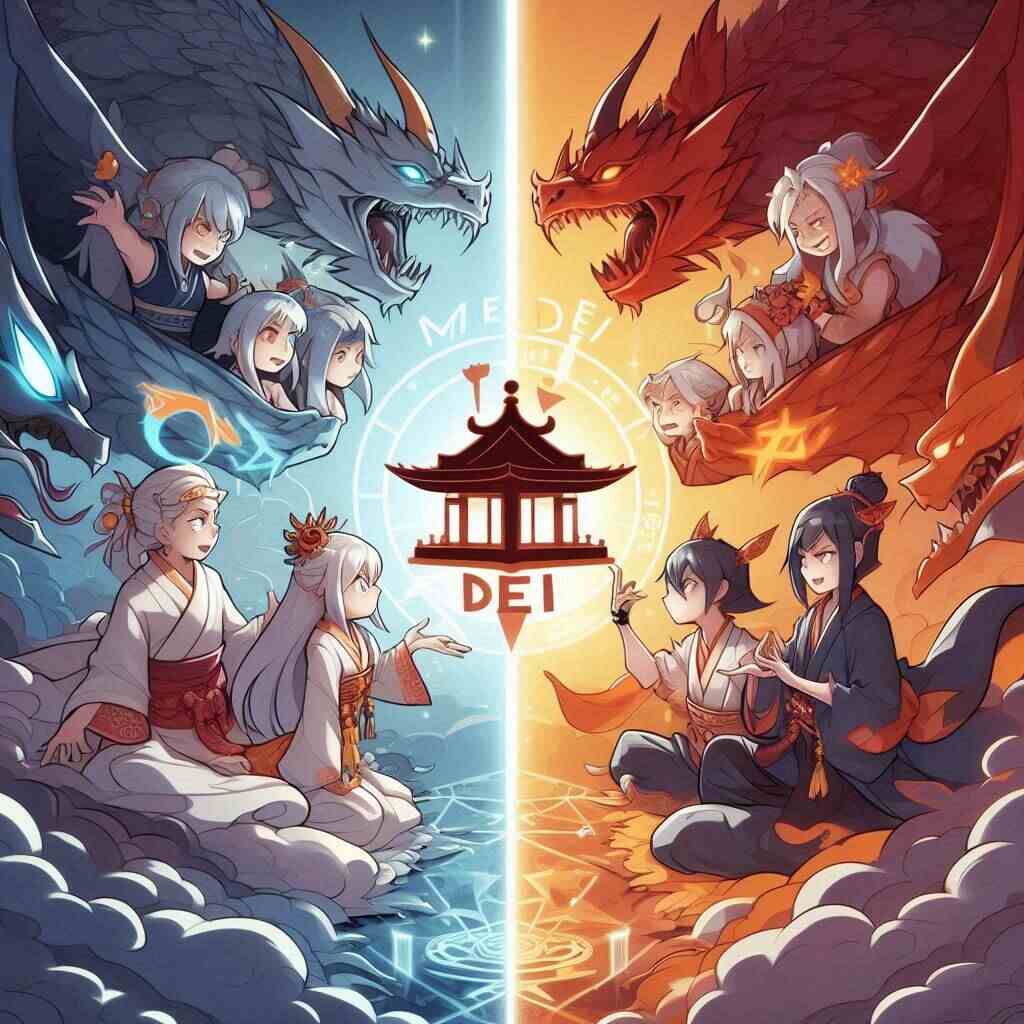
If you’ve been scrolling through LinkedIn, tuning into corporate webinars, or sitting in HR meetings lately, you’ve probably seen two acronyms pop up a lot: MEI and DEI. They seem similar at first glance, but once you start peeling back the layers, the differences run deep.
So what do they actually mean? And why are businesses, schools, and organizations all buzzing about MEI vs DEI right now?
Let’s unpack it, step by step.
What Is MEI?

Definition and Meaning of MEI
MEI stands for Merit, Equality, and Individualism. At its core, MEI emphasizes rewarding people based on their individual efforts, talents, and achievements, rather than group identity or social background.
It’s a philosophy that leans into the idea of a level playing field, where everyone competes fairly, and success is earned, not granted.
Common Areas Where MEI Is Applied
You’ll often see MEI principles applied in:
- Academic admissions
- Job hiring and promotions
- Performance-based awards and recognitions
- Sports and competitions
Anywhere where a “may the best person win” mentality rules, MEI is probably in play.
Examples of MEI Initiatives in Action
Think of merit-based college scholarships, blind hiring processes that remove demographic data, or strictly performance-based raises. These are MEI in motion—focusing on what you bring to the table, not where you came from.
What Is DEI?

Definition and Meaning of DEI
DEI stands for Diversity, Equity, and Inclusion. It’s a framework built to acknowledge historical inequalities and to actively create opportunities for underrepresented groups.
Where MEI says, “Everyone starts at the same line,” DEI says, “Let’s make sure everyone had the chance to get to the starting line.”
Key Components: Diversity, Equity, and Inclusion Explained
- Diversity: Representation of different races, genders, ages, abilities, and more.
- Equity: Ensuring fair treatment and access to opportunities.
- Inclusion: Making sure everyone feels welcomed and valued.
Real-World Examples of DEI Programs
DEI shows up in:
- Employee resource groups (ERGs)
- Inclusive hiring targets
- Anti-bias training
- Equitable promotion pipelines
The Key Differences Between MEI and DEI
Philosophy and Intent Behind Each
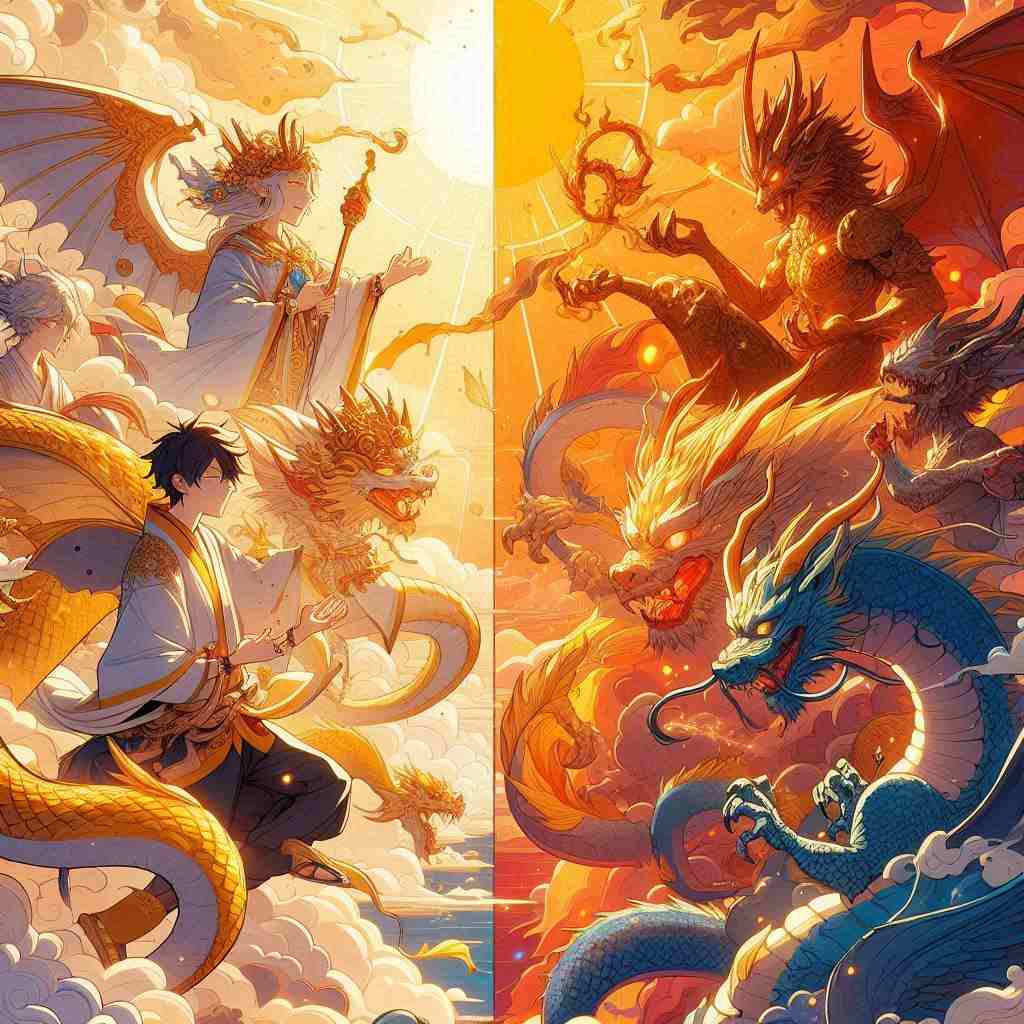
- MEI is focused on individual performance and the belief that success should be based solely on merit.
- DEI is more focused on group outcomes, addressing historic disadvantages, and ensuring equity even if it means treating people differently.
Strategic Goals and Outcomes
- MEI aims to reward talent, no matter the background.
- DEI aims to level the playing field so that those from disadvantaged backgrounds can actually compete.
Metrics Used to Measure Success
- MEI: Performance scores, productivity, academic achievement, project outcomes.
- DEI: Representation percentages, pay gap metrics, employee satisfaction among marginalized groups.
MEI vs DEI: Pros and Cons
Advantages of MEI
- Rewards hard work and talent directly
- Reduces identity-based preferences
- Transparent and easier to quantify
Challenges of MEI
- Doesn’t address systemic inequality
- Can unintentionally exclude disadvantaged groups
- Assumes everyone had equal access to opportunity
Benefits of DEI
- Actively works to close opportunity gaps
- Builds a more representative workforce
- Improves belonging and morale
Potential Drawbacks of DEI
- Risk of perceived favoritism
- Can lead to tension around quotas
- Complex to implement fairly and consistently
Where MEI Works Best
Industries and Environments That Thrive Under MEI
- Competitive tech firms
- Startups with meritocratic cultures
- Athletic teams
- STEM fields based on objective data
How MEI Supports Personal Autonomy
MEI appeals to those who value individual freedom, self-reliance, and personal accountability. If you believe everyone should be judged on their skills alone, this is your model.
Where DEI Works Best
Sectors Where DEI Is Vital
- Education
- Government and public policy
- Nonprofits
- Healthcare and social work
Addressing Systemic Barriers and Historical Inequities
DEI isn’t about giving handouts—it’s about removing barriers. Think of it as fixing the leak in the pipe, not just cleaning the puddle.
Can MEI and DEI Coexist?
Exploring Hybrid Approaches
Absolutely. Some organizations are beginning to realize that it’s not MEI vs DEI—it’s MEI and DEI. You can:
- Use DEI strategies to expand access
- Use MEI principles to reward performance after that
Real-World Examples of Organizations Using Both
- A company may offer internships for underrepresented students (DEI), but still hire full-time roles based on interview and performance assessments (MEI).
- Universities may use holistic admissions combining background, experience, and academic merit.
Common Misconceptions
MEI Is Not Anti-DEI
Just because someone supports MEI doesn’t mean they oppose fairness or diversity. Many MEI supporters simply prioritize merit over group identity.
DEI Doesn’t Ignore Individual Merit
DEI doesn’t mean handing out rewards without effort. It means creating conditions where everyone has a real shot to succeed.
The Political and Social Debate
How MEI vs DEI Has Become a Cultural Conversation
In today’s climate, even these acronyms carry political weight. Some see DEI as essential for justice. Others argue it promotes division. MEI, meanwhile, is praised for fairness but criticized for ignoring structural issues.
The Role of Media, Policy, and Leadership
Media narratives and political affiliations heavily influence how these terms are used and understood. Leaders must navigate this minefield with care, nuance, and data—not just ideology.
MEI vs DEI in the Workplace
How Hiring Practices Are Influenced
DEI might influence sourcing strategies—recruiting at HBCUs or women’s coding bootcamps—while MEI determines who gets the offer based on test scores, interviews, or portfolios.
The Impact on Team Dynamics and Company Culture
- DEI tends to foster more inclusive cultures.
- MEI creates competitive, high-performance teams.
- The best cultures usually balance both.
What the Future Might Hold
Will One Model Dominate?
Unlikely. The future probably won’t choose one or the other. What we’re seeing is the rise of contextual frameworks—adapting to the needs of each organization and industry.
Or Is Balance the Answer?
Yes. Balance is key. Think of MEI and DEI as tools in the same toolbox—different jobs require different tools, but most projects need more than one.
Conclusion
So, what’s the final word on MEI vs DEI?
It’s not about picking sides. It’s about understanding the purpose and strengths of each model, and applying them where they make the most sense.
MEI rewards merit. DEI corrects imbalances. Together, they can create systems that are both fair and inclusive, competitive and compassionate.
Want a better world? Maybe it starts by asking not just, “Who’s right?”—but also, “What’s right for this moment?”
FAQs
1. What does MEI stand for?
MEI stands for Merit, Equality, and Individualism.
2. What does DEI stand for?
DEI stands for Diversity, Equity, and Inclusion.
3. Is MEI the opposite of DEI?
Not necessarily. They have different focuses but can complement each other.
4. Which is better: MEI or DEI?
It depends on the goals and context of the organization or system.
5. Can MEI and DEI be used together?
Yes. Many successful organizations blend both approaches.
6. Why is DEI important in 2025?
Because many systemic inequities still exist, and DEI helps address them.
7. Does MEI ignore diversity?
MEI focuses on individual performance, but that doesn’t mean it excludes diversity.
8. Is DEI about quotas?
Not necessarily. While some DEI programs use goals, most focus on access and fairness.
9. Who supports MEI?
People and organizations that value performance, competition, and individualism.
10. Who supports DEI?
Those who value representation, equity, and inclusive environments.