
Stainless Steel Hose Clamps: The Ultimate Guide
Introduction to Stainless Steel Hose Clamps
If you’ve ever peeked under the hood of a car, tinkered with plumbing, or worked on machinery, you’ve probably seen hose clamps in action. These small yet mighty devices keep hoses securely attached to fittings, preventing leaks, spills, and potential damage. Among the various types available, stainless steel hose clamps are the gold standard for durability and reliability.
But why stainless steel? Unlike other metals, stainless steel resists rust, corrosion, and extreme temperatures, making it perfect for long-term use in demanding environments. Whether you’re a DIY enthusiast or an industrial professional, understanding stainless steel hose clamps can save you time, money, and frustration.
Types of Stainless Steel Hose Clamps
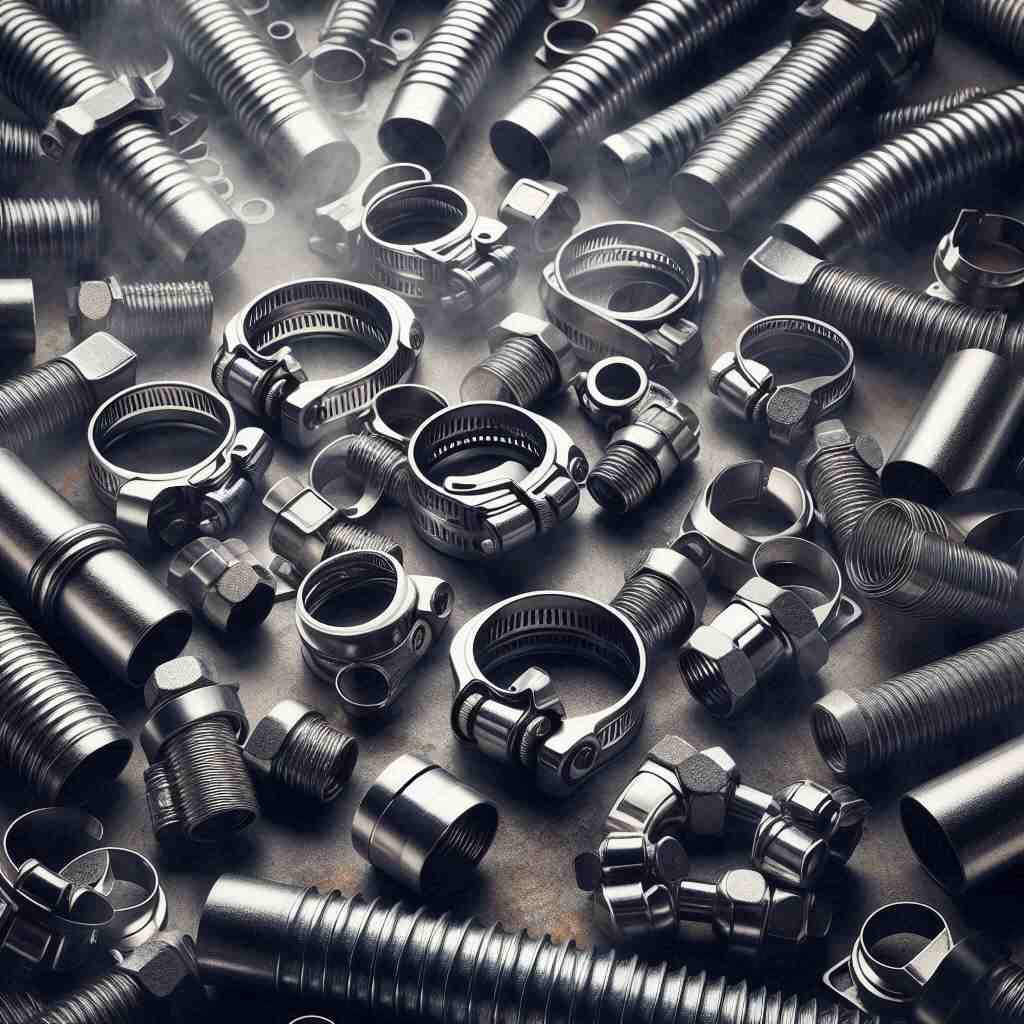
Stainless steel hose clamps come in different styles, each suited for specific applications. Let’s explore the most common types.
Worm Gear Hose Clamps
These are the most recognizable type of hose clamp. They feature a band with a screw (the “worm gear”) that tightens the clamp when turned. Perfect for automotive hoses, garden irrigation, and light industrial use, worm gear clamps are adjustable and reliable.
T-Bolt Hose Clamps
T-bolt clamps are heavy-duty alternatives to worm gear clamps. They provide a uniform sealing force around hoses under high pressure. Often used in diesel engines, turbo systems, and industrial machinery, T-bolt clamps excel where strength and stability are critical.
Spring Hose Clamps
Spring clamps rely on the metal’s inherent tension to grip the hose. These are compact, easy to install, and ideal for situations where hoses expand and contract, like in cooling systems.
Ear Clamps
Ear clamps, or Oetiker clamps, have a “pinch” or “ear” that’s crimped to secure the hose. They are commonly used in plumbing, fuel lines, and small-scale industrial applications. Once installed, ear clamps offer a tamper-proof, long-lasting seal.
Key Features of Stainless Steel Hose Clamps
Why are stainless steel hose clamps so widely preferred? Let’s break down their core features.
Durability and Strength
Stainless steel is known for its toughness. These clamps can handle high-pressure applications without breaking, bending, or losing their grip over time.
Corrosion Resistance
Unlike zinc-plated or carbon steel clamps, stainless steel won’t rust when exposed to water, chemicals, or salty environments. This makes them ideal for marine, automotive, and outdoor use.
Adjustable and Secure Fit
Most stainless steel clamps, especially worm gear types, are adjustable. This ensures a snug fit on hoses of various diameters, preventing leaks and hose slippage.
Applications of Stainless Steel Hose Clamps
Stainless steel hose clamps are versatile and can be found in numerous industries.
Automotive Industry
From radiator hoses to fuel lines, stainless steel clamps keep vehicles running smoothly. Their ability to resist heat and corrosion makes them indispensable under the hood.
Marine Industry
Saltwater is harsh on metal, but stainless steel hose clamps thrive in marine conditions. They’re used on boat fuel lines, bilge pumps, and engine hoses to prevent leaks and rust.
Home Plumbing
DIYers and plumbers alike use stainless steel clamps for securing pipes and hoses in plumbing systems, ensuring leak-free water flow.
Industrial Machinery
Factories and industrial setups rely on these clamps for hydraulic hoses, air systems, and chemical transport lines due to their strength and reliability.
Choosing the Right Stainless Steel Hose Clamp
Selecting the correct clamp ensures safety, efficiency, and longevity.
Size and Diameter Considerations
Measure the hose diameter accurately. Too small, and the clamp won’t fit; too large, and it may not seal properly. Always check the clamp’s range before purchasing.
Material Grades and Their Importance
Stainless steel comes in various grades, with 304 and 316 being the most common for hose clamps. 316 offers better corrosion resistance, especially in marine environments.
Budget vs. Quality: What Matters Most
Cheap clamps may save money initially, but they can fail under pressure, leading to costly repairs. Investing in quality stainless steel clamps ensures reliability and longevity.
Installation Tips for Hose Clamps
Installing a hose clamp seems simple, but proper technique is key.
Step-by-Step Guide to Installation
- Slide the clamp over the hose before connecting it to the fitting.
- Push the hose fully onto the fitting.
- Position the clamp about ¼ inch from the hose end.
- Tighten the clamp gradually with a screwdriver or wrench.
- Check for even pressure around the hose.
Common Mistakes to Avoid
- Over-tightening can damage the hose.
- Misaligning the clamp may cause leaks.
- Reusing single-use ear clamps can lead to failure.
Tools You’ll Need
Screwdrivers, nut drivers, pliers, and torque wrenches are commonly used tools for installation.
Maintaining Stainless Steel Hose Clamps
Even stainless steel needs care for maximum lifespan.
- Cleaning and Inspection: Wipe off dirt, grime, and residue periodically.
- Signs of Wear: Look for cracks, corrosion, or loosening.
- Long-Term Care: Replace clamps every few years in harsh environments to prevent unexpected failures.
Advantages of Stainless Steel Hose Clamps
- Longevity: Can last decades under proper conditions.
- Reliability: Won’t slip or break under pressure.
- Versatility: Suitable for automotive, marine, plumbing, and industrial use.
Potential Drawbacks and Limitations
- Cost Considerations: Stainless steel clamps are pricier than cheaper alternatives.
- Compatibility Issues: Some hoses may require specific clamp types for proper sealing.
Conclusion
Stainless steel hose clamps may seem like small, simple tools, but their impact is huge. From keeping your car running smoothly to securing plumbing and industrial hoses, these clamps provide reliability, strength, and peace of mind. Understanding the types, applications, and installation tips ensures you choose the right clamp for the job—saving you time, money, and potential headaches. When it comes to durability and performance, stainless steel hose clamps are truly a smart investment.
FAQs
1. What is the main advantage of stainless steel hose clamps over other materials?
They resist corrosion, rust, and extreme temperatures, making them more durable and long-lasting.
2. Can I use stainless steel clamps on plastic hoses?
Yes, but ensure the clamp isn’t over-tightened to avoid damaging the hose.
3. What’s the difference between 304 and 316 stainless steel?
316 offers higher corrosion resistance, especially in marine or chemical environments.
4. How do I know which clamp size to use?
Measure your hose diameter and check the clamp’s adjustable range to ensure a proper fit.
5. Are ear clamps reusable?
No, ear clamps are generally single-use and should be replaced if removed.
6. Can stainless steel hose clamps handle high-pressure applications?
Yes, especially T-bolt and heavy-duty worm gear clamps are designed for high-pressure use.
7. How often should I inspect my clamps?
At least once a year, or more frequently in harsh or high-pressure environments.
8. Can I install hose clamps without tools?
Some spring clamps can be installed with pliers, but most clamps require a screwdriver or wrench for proper tightening.
9. Are stainless steel hose clamps suitable for outdoor use?
Absolutely, they are highly resistant to weather, moisture, and corrosion.
10. What industries commonly use stainless steel hose clamps?
Automotive, marine, plumbing, industrial machinery, and even food processing industries.


