What Is Deepfake Technology and How Does It Work?
Not long ago, spotting a fake video online was almost trivial. The audio sounded robotic, the lip movements were slightly off, and the whole thing felt like a bad Photoshop job. That is no longer true. The gap between real and fake is closing faster than most people realize.
Today, AI can generate videos, voices, and images of real people that are genuinely difficult to distinguish from authentic footage. That shift matters because deepfakes are not staying in Hollywood studios or internet prank communities anymore. They are turning up in political campaigns, financial scams, workplace fraud, and social media feeds across the US.
Understanding how deepfake technology works, and how to protect yourself from it, has gone from a niche tech curiosity to something most Americans genuinely need to know.
What Is Deepfake Technology? (The Short Answer)
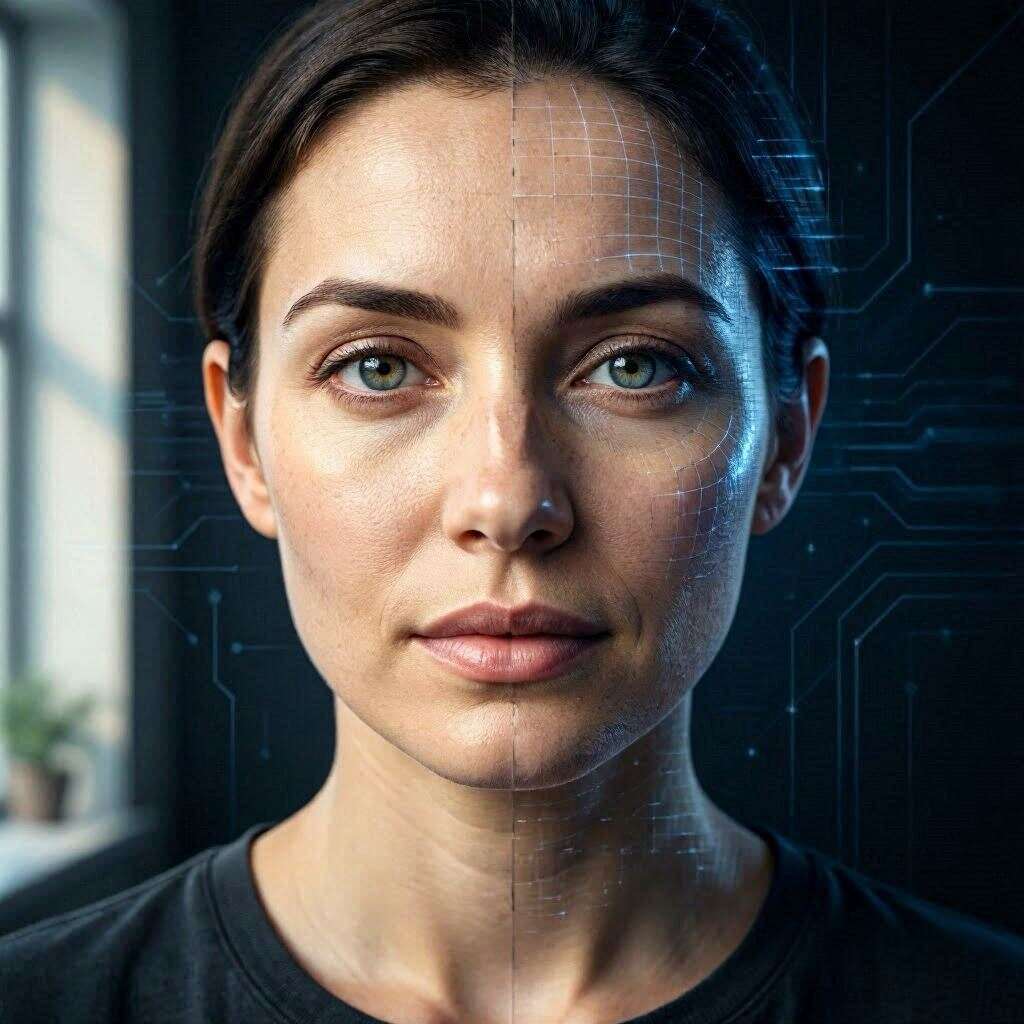
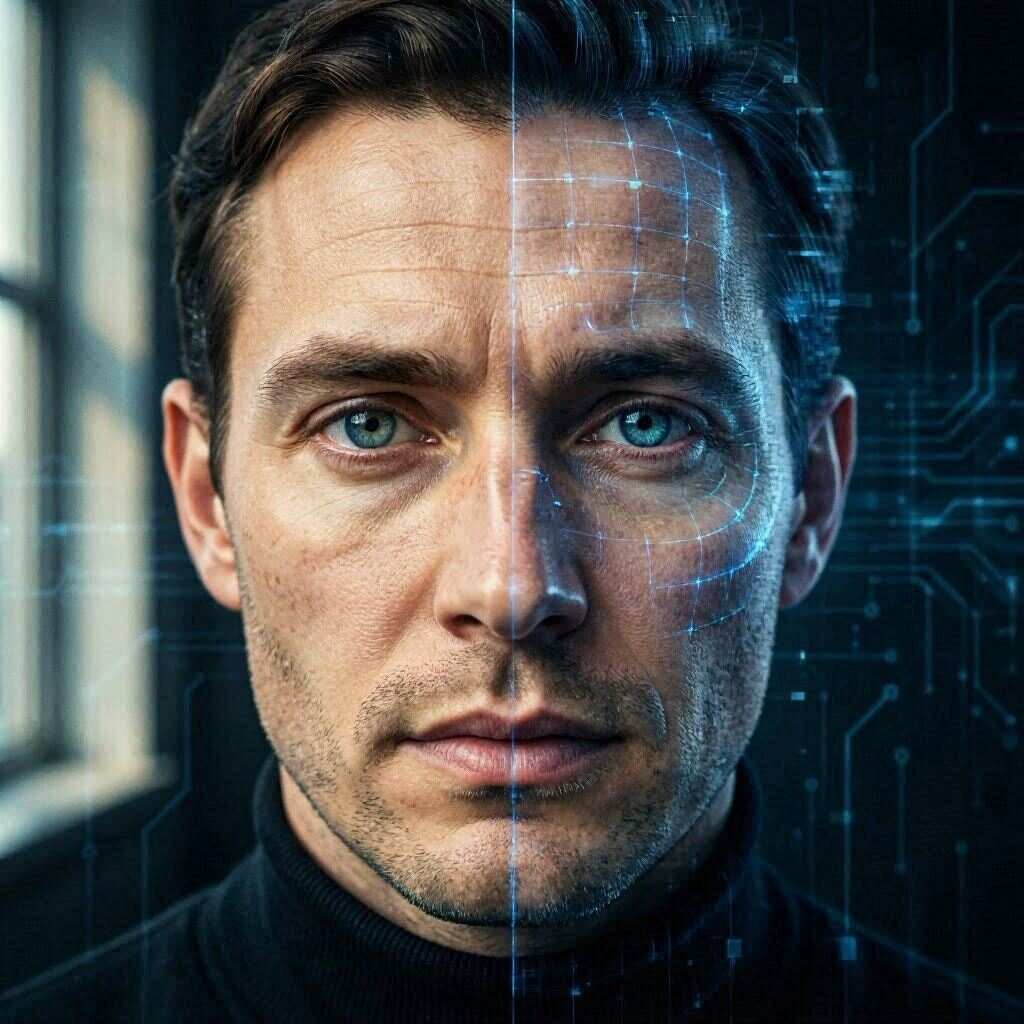
Deepfake technology uses artificial intelligence to create fake videos, audio recordings, or images that realistically imitate real people. The term combines “deep learning” (a type of AI) and “fake media.”
Most deepfakes are built using systems called Generative Adversarial Networks (GANs), which train on massive datasets of human faces, voices, and movements until the synthetic output becomes convincingly realistic.
At a glance:
- Deepfakes can manipulate faces, voices, and expressions
- They are often trained on publicly available photos and videos
- They appear in entertainment, political ads, scams, and misinformation
- They are getting harder to detect every year
Why Americans Are Paying Attention
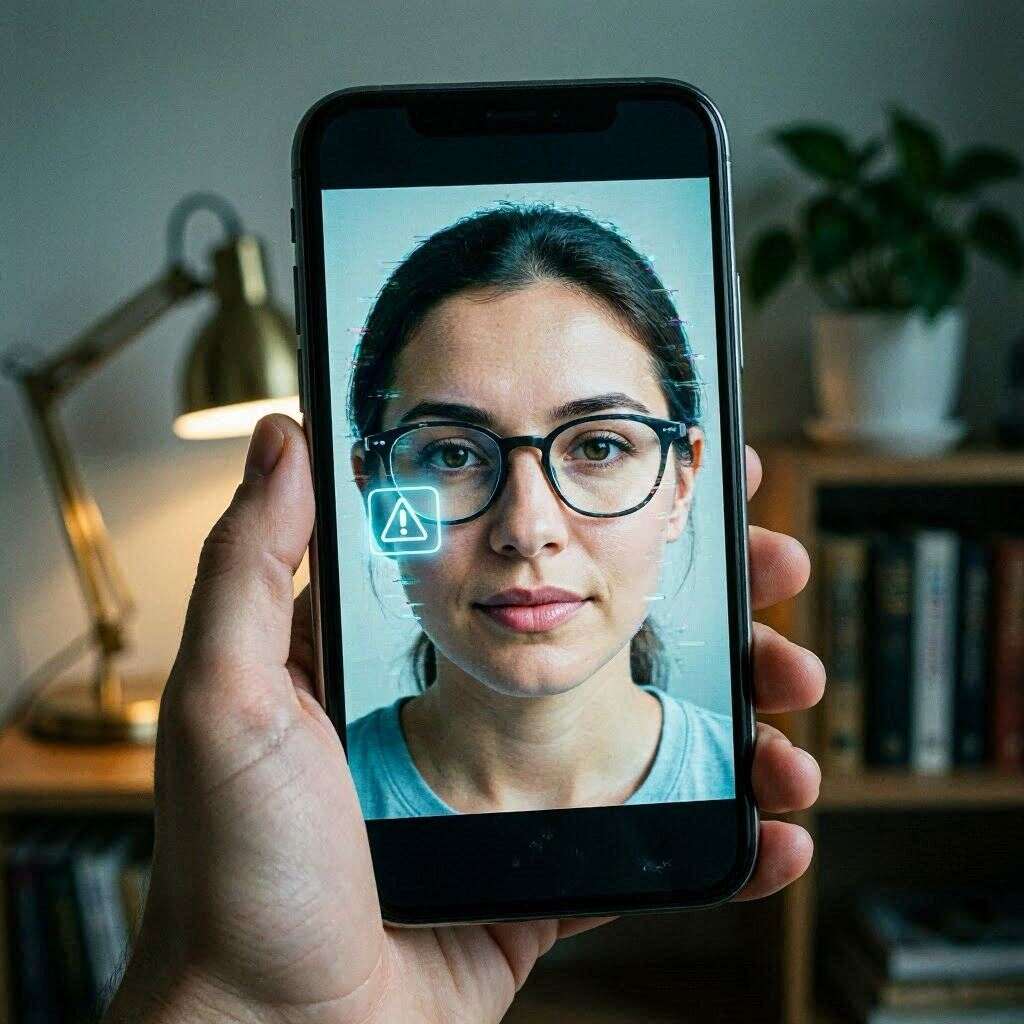
The reason interest in deepfakes has exploded is not just curiosity. Deepfakes directly challenge one of our oldest instincts: if you can see or hear something, it must be real.
That assumption does not hold up anymore.
Americans consume most of their news and information through short videos, livestreams, and social media clips. At the same time, AI has become powerful enough to imitate faces, voices, and emotional expressions with remarkable precision. The combination is genuinely dangerous.
One realistic fake video released during an election, a corporate crisis, or a celebrity scandal can reach millions of viewers before fact-checkers have a chance to respond. Even worse, real videos can later be dismissed as deepfakes. Researchers call this the “liar’s dividend,” and it is one of the more underappreciated risks of the current moment.
Financial fraud is another major concern. AI-powered voice cloning scams have already targeted families and businesses across the country. Some criminals now use AI-generated video during Zoom calls to impersonate executives and authorize fraudulent wire transfers.
The biggest threat from deepfake technology is not just the fake content itself. It is the slow erosion of trust in digital information overall.
How Deepfake Technology Actually Works
How does a computer convincingly imitate a human face or voice? The process is more intuitive than it sounds.
Think of a football coach who studies thousands of hours of game footage to understand one player’s tendencies. Deepfake AI works the same way, except instead of studying plays, it studies faces, voices, blinking patterns, skin texture, lighting, and speech rhythms at massive scale.
The more source material the AI has, the better the imitation becomes. That is why celebrities, politicians, YouTubers, and public executives are especially vulnerable. They have already uploaded thousands of hours of training material online without realizing it.
Artificial Intelligence and Machine Learning
AI systems learn by example. Instead of programmers manually coding every facial expression or voice inflection, developers feed AI models enormous training datasets that include YouTube interviews, podcasts, TikTok clips, public speeches, and TV appearances.
The AI studies these materials to map speech timing, facial movement, emotional responses, and body language. Over time, the system becomes dramatically more accurate, purely through repetition.
How Neural Networks Learn Human Faces
Neural networks function like simplified digital brains. They process layers of information repeatedly, reducing errors each time.
In deepfake systems, neural networks analyze details most people barely notice:
- Eye reflections and blinking rhythm
- Smile asymmetry
- Lip synchronization during speech
- Facial muscle movement
- Skin texture changes under different lighting
- Breathing patterns
Advanced systems create detailed mathematical blueprints of faces, known as facial embeddings, that allow them to reproduce realistic expressions and movements. This is also why cybersecurity experts increasingly flag biometric identity spoofing as a serious and growing threat.
What Are GANs (Generative Adversarial Networks)?
Most advanced deepfake systems rely on Generative Adversarial Networks, or GANs. The architecture is genuinely clever.
GANs use two competing AI systems running at the same time:
The Generator creates synthetic media. Early attempts look terrible, with distorted faces, robotic voices, and unnatural expressions. But the generator keeps learning from every mistake.
The Discriminator acts as a digital detective. Its job is to decide whether the generated content looks real or fake. When it spots flaws, the generator adjusts and tries again.
This back-and-forth continues through millions of training cycles. The result is similar to two elite athletes sparring daily, where both sides improve together. That is why modern deepfakes can produce realistic lighting adaptation, emotional voice replication, accurate lip syncing, and natural facial movement.
One thing worth understanding: deepfake AI does not actually “understand” people in any meaningful sense. It simply becomes extremely skilled at predicting human patterns after training on enormous datasets.
Types of Deepfake Content
Most people picture fake celebrity videos when they hear “deepfake.” But the technology has expanded well beyond that.
Deepfake Videos
Video deepfakes replace or manipulate a person’s face within existing footage. Some are used for harmless parody. Others fabricate political speeches, fake interviews, or breaking-news clips that spread widely before being debunked.
AI Voice Cloning
Voice cloning has become one of the fastest-growing AI threats in the US. Modern systems can imitate accents, speech rhythm, emotional tone, and even breathing patterns, sometimes from just a few seconds of audio.
A common scam works like this: a parent gets a phone call, and the voice sounds exactly like their child. There is an emergency, and money is needed immediately. The parent reacts emotionally before stopping to verify, and by then it is too late.
AI Face Swaps and Synthetic Profiles
Deepfakes are not limited to video. AI-generated images, fake social media profiles, and entirely synthetic “influencers” are increasingly common. These overlap with generative AI image tools that most people already use without thinking much about it.
Live Deepfakes
Perhaps the most alarming development is real-time deepfakes during video calls. These are still imperfect, but the technology is advancing quickly and represents the frontier of synthetic media fraud.
| Type | Common Risk | Difficulty to Detect | Typical Platform |
|---|---|---|---|
| Video Deepfake | Political misinformation | High | YouTube, TikTok |
| Voice Cloning | Financial scams | Very High | Phone calls |
| Face Swaps | Identity misuse | Moderate | |
| AI Images | Fake profiles | Moderate | |
| Live Deepfakes | Business fraud | Extremely High | Zoom |
Real-World Examples of Deepfake Harm
Political Misinformation
Imagine a fabricated campaign speech released hours before Election Day. Even if journalists debunk it quickly, millions of Americans may already have seen and believed it. Several US states have already introduced or expanded laws targeting election-related AI content specifically because this scenario is not hypothetical. It is a documented and growing threat.
Financial Fraud and Business Scams
Consider this: a finance employee receives a Zoom call appearing to show their CFO. The face, voice, expressions, and lip movements all look authentic. The executive requests an urgent wire transfer. Under pressure, the employee authorizes it, and the real CFO never made that call.
Cybersecurity investigators in the US have already documented similar fraud attempts. Criminals do not need to be technical experts anymore. They just need the right software subscription.
Celebrity and Harassment Cases
Celebrities were early targets because so much of their footage was already publicly available. Today the problem extends to private individuals, particularly women, who are targeted with non-consensual synthetic content. This has prompted federal and state-level legislation, though enforcement remains inconsistent.
Legitimate Uses of Deepfake Technology
It would be misleading to present deepfake technology as purely harmful. The same AI systems have genuinely useful applications:
- Film and television: Studios use AI-assisted facial replacement to de-age actors, recreate historical figures, and localize content for global audiences
- Accessibility: Voice synthesis tools help people who lose their speech ability due to illness or injury
- Education: Synthetic media enables multilingual lesson delivery and interactive learning tools
- Healthcare research: AI voice reconstruction assists patients and researchers studying speech-related conditions
- Gaming: Facial animation systems improve character realism significantly
The technology itself is neutral. The real question is always intent and application.
How to Detect a Deepfake
Can ordinary people still identify deepfakes? Sometimes, but it is getting harder every year.
Visual Warning Signs
Look carefully for:
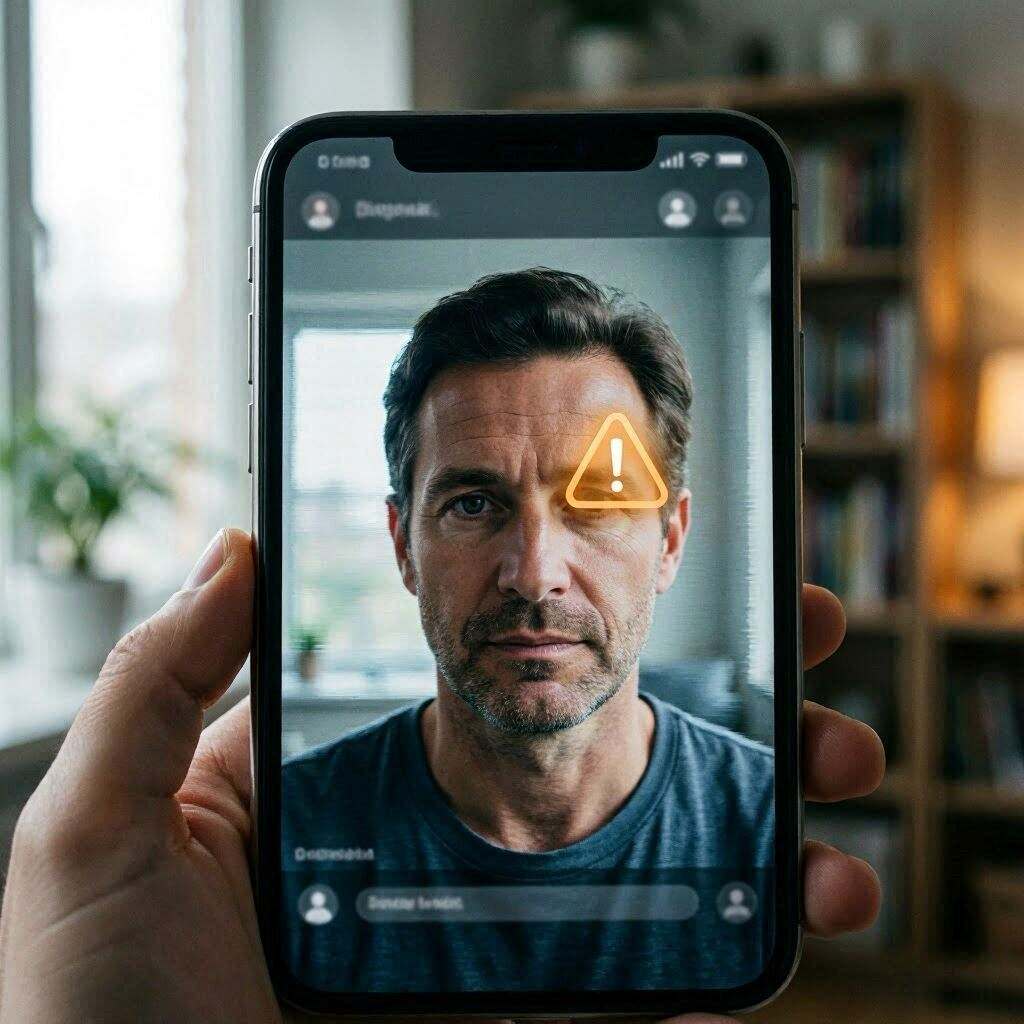
- Inconsistent lighting on the face versus the background
- Blurred or distorted edges around hair and ears
- Unnatural blinking, either too frequent or too rare
- Warped glasses, earrings, or teeth
- Odd skin texture transitions, especially around the mouth and chin
- Awkward emotional timing during spontaneous conversation
AI often replicates facial movement accurately but still struggles with the subtle, unpredictable nature of real emotion. A slight hesitation, an unexpected laugh, or a genuine look of surprise can expose a deepfake if you know what to look for.
Audio Red Flags
Voice cloning systems frequently trip up on:
- Emotional transitions between sentences
- Natural breathing rhythms and pauses
- Background noise that does not quite match
- Real-time conversation pacing and interruptions
Urgency is one of the most reliable behavioral red flags. Scammers engineer situations that push emotional reactions before victims stop to verify.
Detection Tools and Verification Methods
AI detection tools analyze content for inconsistencies invisible to the human eye. They check lighting physics, facial movement patterns, metadata anomalies, and synthetic speech markers.
| Method | What It Checks | Best Use Case |
|---|---|---|
| Reverse Image Search | Original media source | Viral social posts |
| Metadata Analysis | File origin details | News verification |
| AI Detection Tools | Facial inconsistencies | Professional review |
| Audio Analysis | Synthetic speech patterns | Phone scams |
| Cross-Platform Verification | Multiple source comparison | Breaking news |
The practical rule is simple: before sharing something emotionally shocking, pause. Check whether reputable outlets are covering it. A few extra minutes of verification prevents a lot of damage.
Common Misconceptions About Deepfakes
“Blurry or low-quality video means it’s fake.” Not necessarily. Scammers sometimes deliberately reduce video quality because lower resolution hides AI artifacts more effectively.
“Deepfakes are always illegal.” They are not. The legality depends entirely on context, intent, and which state you are in. Entertainment, parody, and satire may be fully legal. Fraud, impersonation, election manipulation, and non-consensual explicit content may not be.
“Only hackers and experts can create deepfakes.” This was true five years ago. Today, consumer apps and cloud-based software allow people with minimal technical skill to create convincing synthetic media. That is precisely why the problem has grown so quickly.
“I’ll be able to tell if something’s fake.” Most people overestimate their ability to spot deepfakes, especially when the content triggers a strong emotional reaction. That emotional response is exactly what scammers engineer for.
The Future of Deepfake Technology in America
The direction of travel is clear: deepfakes will become more realistic, more accessible, and more difficult to detect. AI systems improve continuously through larger training datasets, better neural networks, and more powerful computing infrastructure.
Real-time deepfakes during livestreams and video calls are the next major development. The technology is imperfect now but advancing quickly.
On the other side, major technology companies, universities, and government agencies are investing heavily in:
- AI watermarking embedded invisibly in generated content
- Digital provenance systems that verify where media originated
- Blockchain-based content authentication
- Real-time deepfake detection APIs for platforms
The goal is something like a trust layer for digital media, similar in concept to a financial credit system but applied to information authenticity instead.
Whether those systems develop fast enough to keep pace with deepfake capabilities is one of the more important technology questions of the next decade.
Frequently Asked Questions
What is deepfake technology in simple terms? Deepfake technology uses AI to create fake videos, audio, or images that look and sound like real people. Neural networks analyze huge amounts of footage to learn how someone’s face, voice, and expressions work, then generate convincing imitations. The results range from harmless entertainment to sophisticated fraud.
How do deepfake videos work step by step? First, an AI system trains on photos, videos, and audio of the target person. It maps their facial movements, lighting behavior, voice patterns, and speech timing. A GAN then generates synthetic video frames while a competing AI checks whether each frame looks real. After millions of corrections, the output becomes highly convincing.
Can deepfake technology be used for good purposes? Yes. Filmmakers use it for visual effects and actor de-aging. Healthcare researchers use synthetic voice tools to help patients who have lost their ability to speak. Educators use it for multilingual content delivery. The technology itself is not the problem. It is the intent behind specific applications that determines the impact.
How can I tell if a video is a deepfake? Watch for unnatural blinking, inconsistent lighting, blurred facial edges, and awkward lip synchronization. For audio, listen for odd emotional transitions or unnatural breathing. Always cross-reference suspicious content through multiple trusted sources before sharing. Emotional urgency in the content itself is a significant warning sign.
Are deepfakes dangerous for businesses? Yes, increasingly so. AI voice cloning and live video deepfakes are being used to impersonate executives, authorize fraudulent transfers, and extract sensitive information. Businesses should implement multi-step verification for financial requests and train employees to recognize synthetic media fraud.
Is deepfake technology illegal in the United States? Not automatically. Laws vary by state and depend heavily on context and intent. Fraud, election interference, deceptive impersonation, and non-consensual explicit media may violate criminal or civil law. Parody, entertainment, and educational use are generally protected.
Will deepfakes become harder to detect in the future? Almost certainly. AI systems are improving faster than detection tools right now. However, digital authentication technology is also advancing rapidly, and major investment is flowing into content verification systems. The outcome depends on which side of the race develops faster.
Do you need technical expertise to create deepfakes? Not anymore. Consumer apps and cloud-based tools have made synthetic media creation accessible to people with minimal technical background. This is one of the main reasons deepfake content has spread so quickly across social media.
Final Thought
The internet used to run on a simple assumption: seeing was believing. Deepfake technology has made that assumption unreliable.
That is unsettling, but awareness changes the equation significantly. Once you understand how deepfakes are built, why emotional reactions make people vulnerable, and what verification habits actually help, you become much harder to deceive.
The practical takeaway is this: when something online triggers a strong reaction, pause before sharing. That pause, more than any detection tool, is what separates people who spread misinformation from people who do not.
Digital literacy has always mattered. Right now, it matters more than ever.