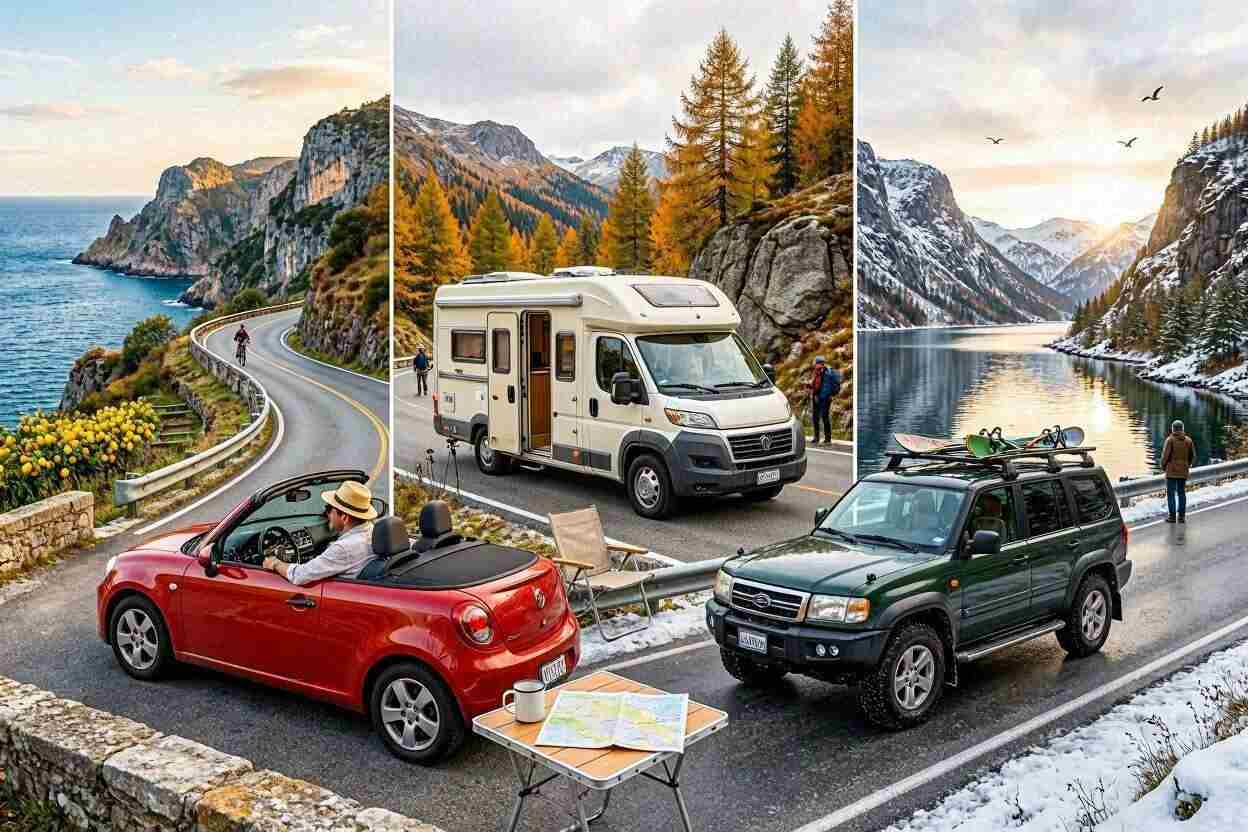
Best Road Trip Routes in Europe: Perfect Drive by Budget, Season and Travel Style
Planning a European road trip is exciting, but choosing the right route can quickly become overwhelming. Search for “best road trip routes in Europe” and you’ll find dozens of lists featuring spectacular mountain passes, coastal highways, and charming villages. What those lists rarely explain is which route actually fits your budget, vacation length, driving experience, and travel style.
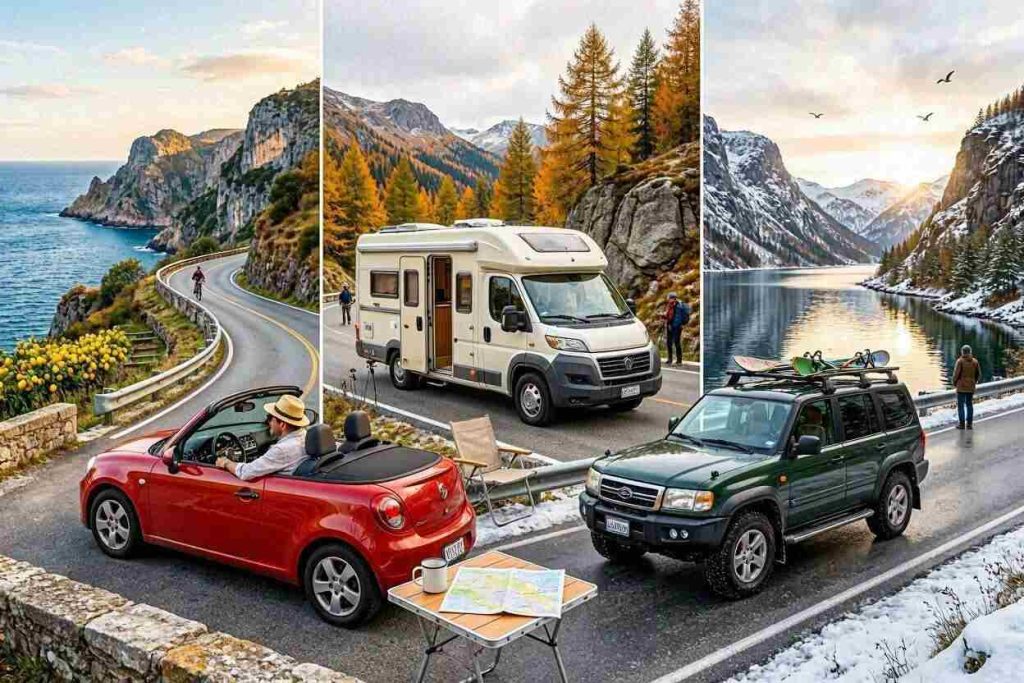
That’s where this guide is different. This resource is built for one purpose: to help you land on a single, confident route recommendation rather than leaving you to compare ten inspiring photos and guess. Here’s how the recommendations below were built. Every featured route is evaluated across eight consistent factors — scenery, budget, driving difficulty, accessibility, family suitability, seasonal reliability, food and culture, and crowd levels — so that the rankings reflect a repeatable framework rather than personal preference. Nothing below is presented as a personal travel account; it draws instead on published route information, typical seasonal patterns, and general planning practice, and you should always confirm current road status, ferry schedules, and rental terms with official sources before you travel.
By the end of this guide you will be able to: identify the single best-fit route for your days, budget, and driving comfort; understand exactly what a realistic budget looks like for that route; know which routes can be safely combined into a longer trip; and know what to do if a mountain pass closes, a ferry is cancelled, or the weather turns.
Whether you’re looking for dramatic fjords, Mediterranean coastlines, Alpine passes, medieval villages, wine regions, or remote islands, Europe offers an incredible variety of self-drive experiences. The best choice isn’t necessarily the most famous route; it’s the one that matches your priorities — and the framework below will get you there in a few minutes.
Find Your Perfect European Road Trip (Decision Engine)
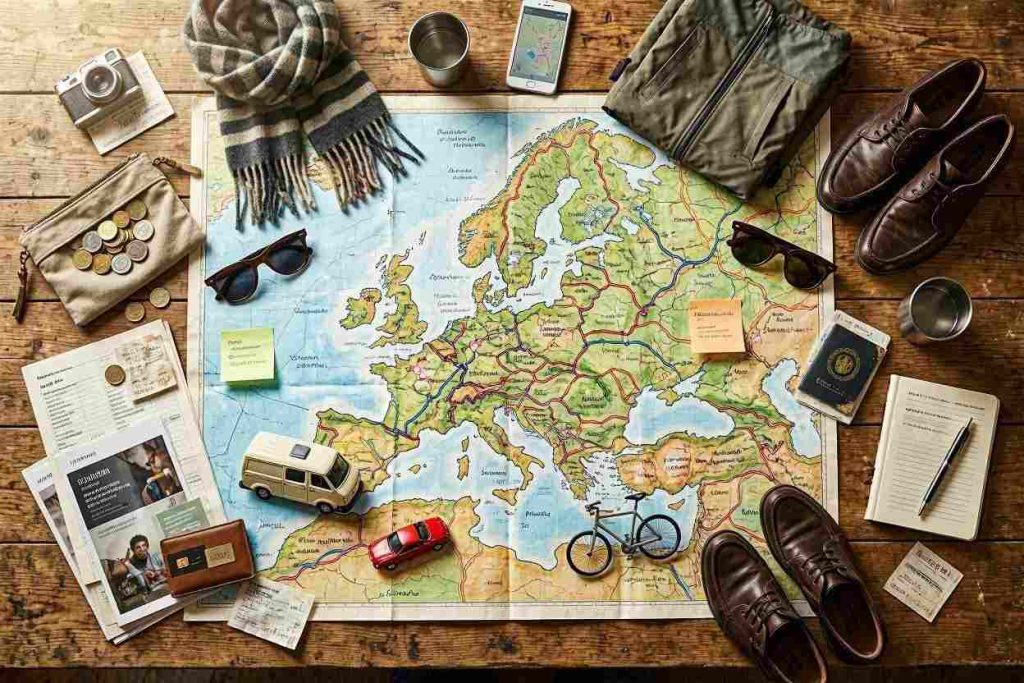
Quick Answer: Your ideal route can be narrowed down by answering five questions in order — budget, available days, travel season, driving confidence, and travel style. Follow the path below and you’ll typically land on one or two routes that genuinely fit your trip, rather than the most photographed option.
Step 1: Start With Your Budget
- Under €180/day → Croatia or Portugal
- €180–€300/day → Ireland, Germany, or Scotland
- €300–€450/day → Italy or Switzerland
- €450+/day → Norway or Iceland
Step 2: Narrow by Available Days
- 5–7 days → Germany’s Romantic Road, Scotland’s NC500, or the Dolomites
- 7–10 days → Croatia, Portugal, or Northern Italy
- 10–14 days → Norway or Ireland
- 14+ days → A multi-country combination (see the Route Combination Guide below)
Step 3: Check the Season You’re Travelling
- Spring → Portugal or Croatia
- Summer → Norway, Scotland, or Iceland
- Autumn → Italy or Germany
- Winter → Southern Portugal or Sicily (avoid Alpine and Norwegian mountain roads without winter driving experience)
Step 4: Match Your Driving Confidence
- New to driving abroad → Ireland, Portugal, or Germany
- Comfortable with some mountain driving → Croatia, Scotland, or Norway
- Experienced with hairpins and high-altitude passes → the Dolomites, the Grossglockner, or the Transfăgărășan
Step 5: Match Your Travel Style
- Nature and photography → Norway
- Food and culture → Italy
- Relaxed first trip → Ireland
- Value for money → Croatia
- Outdoor adventure → Scotland
Putting It Together
Follow all five filters and most travellers land on one of two outcomes. For example: a mid-range budget, 10 days, summer travel, moderate driving confidence, and a preference for outdoor adventure points squarely at Scotland’s NC500, with Norway as the stretch option if the extra cost is acceptable. A tight budget, 7 days, spring travel, low driving confidence, and a preference for relaxed exploration points to Portugal or Ireland. If your five answers point in two different directions, use the route-by-route profiles below to make the final call, paying particular attention to the “who should avoid it” notes.
Best Road Trip Routes in Europe at a Glance
Quick Answer: The best European road trip depends on what matters most to you. Norway is ideal for breathtaking natural scenery, Italy combines mountain roads with food and culture, Ireland offers one of the easiest introductions to European self-driving, Scotland delivers rugged landscapes with manageable distances, and Croatia provides excellent coastal driving at a relatively moderate cost.
Scoring Methodology
Every score in the tables below is built from the same eight-factor framework: scenery, budget, driving difficulty, accessibility, family suitability, seasonal reliability, food and culture, and crowd levels. Ratings are comparative across the featured routes rather than absolute, so a 6/10 on “budget” means a route is mid-pack among these options, not objectively expensive.
Quick Comparison Table
| Route | Best For | Recommended Days | Budget | Driving Difficulty | Best Season | Overall Winner Category |
| Norwegian Fjords | Dramatic scenery | 10–14 | High | Moderate | June–September | Best Scenery |
| Italian Dolomites & Alps | Mountains & food | 7–10 | Medium–High | Moderate–Challenging | June–October | Best Food & Luxury |
| Wild Atlantic Way (Ireland) | First-time visitors | 7–14 | Medium | Easy | May–September | Best Beginner |
| Croatia Adriatic Coast | Coastal scenery | 7–10 | Medium | Easy | May–June, September | Best Budget |
| Scotland NC500 | Adventure | 5–7 | Medium | Moderate | May–September | Best Adventure |
| Portugal N2 | Relaxed exploration | 7–10 | Medium | Easy | Spring & Autumn | Best Solo Trip |
| Germany Romantic Road | Castles & history | 5–7 | Medium | Easy | May–October | Best Short Trip |
| Iceland Ring Road | Unique landscapes | 7–10 | High | Easy | June–August | Best Unique Landscape |
Route Risk Index
This index scores each route on the hazards travellers report most often when planning: weather variability, traffic congestion, seasonal road or pass closures, and parking difficulty in town centres. A higher number means the route generally demands more contingency planning, not that it is unsafe.
| Route | Weather Risk | Traffic Risk | Closure Risk | Parking Difficulty | Overall Risk (1 low – 10 high) |
| Norway | 6 | 2 | 6 | 3 | 5 |
| Italy (Dolomites) | 5 | 7 | 4 | 7 | 6 |
| Ireland | 6 | 3 | 2 | 4 | 4 |
| Croatia | 2 | 6 | 1 | 6 | 4 |
| Scotland | 7 | 3 | 3 | 3 | 5 |
| Portugal | 2 | 3 | 1 | 4 | 2 |
| Germany | 3 | 4 | 2 | 5 | 3 |
| Iceland | 7 | 2 | 5 | 3 | 5 |
Best Overall Route
Norwegian Fjords
If scenery is your highest priority, Norway consistently delivers one of Europe’s most memorable road trips. Deep fjords, waterfalls, glaciers, and winding mountain roads create spectacular views almost every hour of the drive.
Ideal for: nature lovers, photographers, couples, experienced travelers, summer vacations.
Potential drawbacks: higher accommodation costs, expensive fuel, seasonal mountain road closures, ferry expenses.
Who should avoid it: travellers on a tight budget, or anyone who wants to avoid ferry-dependent itineraries, since several of the most scenic stretches require timed ferry crossings rather than continuous road connections.
Estimated route-level daily cost: €280–€450 per day for two people, made up of roughly €90–€140 for accommodation, €50–€80 for food, €60–€100 for fuel and ferries, and €20–€40 for parking and incidental tolls. Costs sit at the higher end in July and August and drop noticeably in early June or mid-September.
Can be combined with: a Sweden fjord-and-lake extension for travellers with 3 or more extra days, or a short Bergen-to-Stavanger add-on for anyone flying in and out of a single hub.
If a mountain road closes: Norway’s mountain routes, including sections of the Trollstigen, typically close for winter and reopen in late spring; if a closure or weather event affects your planned route, the standard alternative is to reroute via the lower coastal road (E39) and rejoin the scenic route further along, adding roughly two to four hours. Check the Norwegian Public Roads Administration’s road status page before departure and again each morning during the trip.
Best Budget-Friendly Route
Croatia’s Adriatic Coast
Croatia combines beautiful coastal roads, historic towns, and clear water without reaching the costs of Scandinavia.
Highlights include Dubrovnik, Split, Zadar, the Makarska Riviera, and several national parks.
Who should avoid it: travellers who specifically want to avoid summer crowds, since the coastal highway and historic centres become significantly busier in July and August.
Estimated route-level daily cost: €150–€220 per day for two people, with accommodation typically the largest share, followed by food, fuel, and modest parking charges in historic centres.
Can be combined with: a short Montenegro extension south of Dubrovnik, or a Slovenia loop to the north for travellers with 10 or more days.
If parking is difficult in a historic centre: use a park-and-ride facility outside the old town walls rather than circling for street parking; most coastal towns have one within a short walk or shuttle ride of the centre.
It’s an excellent option for travelers seeking sunshine and scenery while keeping expenses under control.
Best Scenic Route
Italian Dolomites
The Dolomites combine mountain passes, alpine villages, crystal-clear lakes, and exceptional food.
Expect hairpin bends, UNESCO mountain landscapes, excellent hiking, traditional villages, and outstanding photography opportunities.
Who should avoid it: anyone with no prior mountain-driving experience and limited time, since the hairpin sections and heavy tourist traffic in July and August genuinely require more attentive, slower driving than the average European route.
Estimated route-level daily cost: €220–€320 per day for two people, driven mainly by mid-to-high accommodation prices in alpine villages and restaurant-quality dining.
Can be combined with: a short extension into Slovenia’s Julian Alps, which shares a similar mountain character and is a manageable add-on for travellers with 2–3 extra days.
If a pass is closed or fogged in: treat the Stelvio, Gardena, and Sella passes as weather-dependent even outside winter; if fog or snow closes a pass, the practical recovery is to delay departure by a few hours rather than push through reduced visibility, since alternate routes around the Dolomites usually add significant driving time through lower valleys.
Mountain driving requires more attention than coastal routes, but rewards are exceptional.
Best Route for First-Time European Drivers
Ireland’s Wild Atlantic Way
Ireland remains one of the easiest introductions to European road trips.
Advantages include being an English-speaking country, well-established tourism infrastructure, flexible itinerary options, friendly small towns, and manageable daily driving distances.
Who should avoid it: travellers who specifically want guaranteed sunshine, since Atlantic weather is changeable even in summer.
Estimated route-level daily cost: €190–€270 per day for two people, generally the most predictable budget of the featured routes because fuel, food, and mid-range hotel prices vary less by season than in the mountain or fjord routes.
Can be combined with: Northern Ireland’s Causeway Coastal Route for travellers with 3–4 extra days, which extends naturally from the northern end of the Wild Atlantic Way.
First European Road Trip Checklist: valid driving licence, an International Driving Permit if your home licence isn’t in English, rental insurance confirmation, an offline map downloaded before arrival, and a realistic daily driving budget of 3–4 hours rather than 6–7.
Some rural roads are narrow, but overall navigation is straightforward.
Best Luxury Road Trip
Luxury travelers often enjoy combining Switzerland, Northern Italy, and the French Alps.
This route offers premium hotels, Michelin-star restaurants, luxury wellness resorts, scenic mountain railways, and world-class alpine landscapes.
Estimated route-level daily cost: €450–€700+ per day for two people, driven primarily by five-star accommodation and fine dining rather than transport costs.
Who should avoid it: budget-conscious travellers, since even mid-range accommodation in this corridor is priced at premium-route levels during peak season.
Accommodation costs are significantly higher than elsewhere in Europe.
Best Adventure Route
Scotland’s North Coast 500 (NC500) provides a rewarding mix of coastal scenery, remote beaches, mountain passes, and historic castles.
Adventure travelers appreciate hiking opportunities, wildlife viewing, dramatic coastlines, camping options, and less crowded roads.
Estimated route-level daily cost: €200–€290 per day for two people, with accommodation costs rising noticeably in remote areas with limited lodging supply during peak summer weekends.
Can be combined with: Edinburgh and the Cairngorms for travellers flying into a central Scottish hub, adding roughly 3 extra days.
If weather closes in: Scotland’s north coast can turn from clear to wet within an hour; carry waterproof layers regardless of the forecast, and treat any single-track road with passing places as requiring extra time in poor visibility.
Route Scorecards
| Route | Scenery | Budget | Ease of Driving | Photography | Family Friendly | Adventure | Food |
| Norway | 10/10 | 5/10 | 7/10 | 10/10 | 8/10 | 10/10 | 7/10 |
| Italy | 9/10 | 7/10 | 6/10 | 9/10 | 8/10 | 9/10 | 10/10 |
| Ireland | 8/10 | 7/10 | 9/10 | 8/10 | 9/10 | 7/10 | 8/10 |
| Croatia | 9/10 | 8/10 | 9/10 | 9/10 | 8/10 | 8/10 | 8/10 |
| Scotland | 9/10 | 7/10 | 8/10 | 9/10 | 8/10 | 9/10 | 7/10 |
Route Combination Guide
Combining routes works best when the two regions share a similar driving character and can be linked without an unreasonable transfer day. The pairings below are among the most practical for travellers with extra time.
| Combination | Added Days Needed | Why It Works |
| Croatia + Slovenia | 3–5 | Similar driving style, short transfer, contrasting coast-and-mountain scenery |
| Croatia + Montenegro | 2–4 | Natural extension south along the coastal highway |
| Dolomites + Slovenia (Julian Alps) | 2–3 | Shared alpine character, manageable border crossing |
| Portugal + Galicia, Spain | 3–5 | Coastal driving continues naturally north of the Portuguese border |
| Germany + Austria | 3–5 | Romantic Road connects naturally to Austrian alpine routes |
| Norway + Sweden | 4–7 | Fjord country extends into Swedish lake districts for a longer, varied itinerary |
Before combining routes, confirm with your rental company that cross-border travel into every planned country is permitted; this is one of the most common rental restrictions travellers overlook.
Who Should Choose Which Route?
| If You Want… | Choose… |
| Europe’s most dramatic scenery | Norway |
| Mountains and excellent food | Italy |
| Easy driving | Ireland |
| Affordable coastline | Croatia |
| Adventure | Scotland |
| Castles and villages | Germany |
| Volcanoes and waterfalls | Iceland |
| Relaxed countryside | Portugal |
Common Mistake
Many travelers automatically choose the most famous route they see on social media. That’s often a mistake. A route that’s perfect for a photographer may frustrate someone traveling with young children. Likewise, a spectacular alpine drive can become stressful if you’re uncomfortable with mountain roads. Choose a route based on your travel style, not its popularity.
Best Route by Trip Length
| Vacation Length | Recommended Route | Why |
| Weekend (3–4 days) | Germany’s Romantic Road | Short driving distances, dense sightseeing |
| 5 Days | Dolomites | Maximum scenery in a compact loop |
| 7 Days | Croatia | Balanced pace between driving and relaxing |
| 10 Days | Ireland | Excellent variety without rushing |
| 14 Days | Norway | Enough time for ferries, hikes, and weather buffers |
| 21+ Days | A multi-country combination | Maximum flexibility, see the Route Combination Guide |
Decision Summary
If you’re still undecided: best overall is the Norwegian Fjords, best for beginners is Ireland, best value is Croatia, best scenery is Norway, best culture and food is Italy, and best adventure is Scotland.
How to Choose the Right European Road Trip
Quick Answer: The right European road trip depends on five factors: how much time you have, how much you want to spend, when you plan to travel, how confident you are behind the wheel, and the type of experience you’re looking for. Choosing a route that aligns with these priorities usually leads to a far more enjoyable trip than simply selecting the most famous destination.
Step 1: Choose by Vacation Length
Your available time immediately narrows the options.
| Available Time | Recommended Trip Style |
| 5–7 Days | Germany, Scotland, Croatia |
| 7–10 Days | Italy, Portugal, Iceland |
| 10–14 Days | Norway, Ireland |
| 14–21 Days | Multi-country Central Europe |
| 21+ Days | Extended European Grand Tour |
Trying to squeeze a two-week route into one week often means spending more time driving than exploring.
Step 2: Choose by Budget
A realistic budget should include more than fuel and accommodation. Plan for the rental car, fuel, hotels, meals, parking, tolls, ferries, local attractions, and an emergency fund.
Budget Comparison
| Budget Level | Best Routes |
| Budget | Croatia, Portugal |
| Mid-range | Ireland, Germany, Scotland |
| Premium | Italy, Switzerland |
| Luxury | Norway, Iceland, Alpine Europe |
Hidden costs — such as one-way rental fees, mountain toll roads, and ferry crossings — can significantly affect your total spending.
Step 3: Choose by Driving Confidence
Not every scenic road is suitable for every driver.
Easy: Ireland, Portugal, Germany.
Moderate: Croatia, Scotland, Norway.
Challenging: Dolomites, Alpine passes, remote mountain roads.
If you haven’t driven abroad before, an easier route often provides a more relaxed experience.
Step 4: Choose by Season
Season affects nearly every aspect of a road trip, including weather, crowds, accommodation prices, daylight hours, and road accessibility.
| Season | Best Destinations |
| Spring | Portugal, Croatia |
| Summer | Norway, Scotland, Iceland |
| Autumn | Italy, Germany |
| Winter | Southern Portugal, parts of Spain |
Mountain routes may close due to snow, while popular coastal destinations become much busier during peak summer months.
Step 5: Choose by Travel Style
| Traveler | Recommended Route |
| Families | Ireland |
| Couples | Italy |
| Solo Travelers | Portugal |
| Adventure Seekers | Scotland |
| Luxury Travelers | Switzerland & Italy |
| Photographers | Norway |
| Food Lovers | Italy |
| History Enthusiasts | Germany |
Rental Car and Cross-Border Considerations
Before booking, confirm five things directly with your rental provider: whether one-way rentals are permitted and what fee applies, whether the agreement authorises travel into every country on your route, what mileage limit applies and the cost per kilometre beyond it, what the security deposit hold will be and how long it takes to release after return, and whether winter tyres or snow chains are required or provided for mountain routes outside summer. Some providers restrict travel into specific countries entirely or charge a separate cross-border insurance supplement, so this is worth confirming in writing before you travel rather than assuming it is included.
European Road Trip Decision Framework
Answer these questions in order: how many days do I have, what is my maximum budget, which season will I travel, am I comfortable driving mountain roads, and what experience matters most — nature, culture, food, adventure, or relaxation. By the time you’ve answered these five questions, you’ll usually have narrowed your options to one or two routes that genuinely fit your trip instead of simply following the most popular recommendation.
The Best European Road Trips (Ranked)
Quick Answer: The best road trip routes in Europe combine memorable scenery, practical driving conditions, worthwhile stops, and a pace that lets you enjoy the journey instead of rushing through it. The routes below are ranked using the eight-factor scoring framework described earlier — scenery, budget, driving difficulty, accessibility, family suitability, seasonal reliability, food and culture, and crowd levels.
1. Norwegian Fjords Road Trip (Norway)
If your goal is experiencing Europe’s most dramatic natural scenery, Norway stands in a category of its own. Towering cliffs, waterfalls, glaciers, deep fjords, and winding mountain roads create a constantly changing landscape that rarely feels repetitive. Unlike many scenic drives that have one or two highlights, Norway delivers exceptional views almost every day.
Best for: nature lovers, couples, photographers, adventure travelers, summer vacations.
Typical route: Bergen → Hardangerfjord → Flåm → Geirangerfjord → Trollstigen → Ålesund.
Highlights: Geirangerfjord, Trollstigen Mountain Road, Atlantic Ocean Road, Flåm Railway area, Hardangerfjord, Steinsdalsfossen Waterfall, and scenic ferry crossings.
Recommended duration: 10–14 days, allowing time for hikes, viewpoints, ferry crossings, and weather delays without rushing.
Driving difficulty (moderate): roads are excellent, but drivers should expect narrow mountain sections, long tunnels, ferry connections, steep descents, and changing weather.
Best time: late June through early September.
Practical planning tip: avoid scheduling more than 250 km of driving on scenic days. Although the distance appears short on a map, frequent viewpoints, ferry crossings, and winding roads often make journeys take much longer than expected.
Common mistake and recovery: many travellers underestimate ferry schedules. If you miss a ferry, the consequence is usually a delay of several hours in remote areas; check the ferry operator’s app for the next available crossing and build a one-hour buffer into any ferry-dependent day going forward, since missing a second connection compounds the delay.
2026 update — new tourist tax: starting July 1, 2026, Norway allows municipalities facing heavy visitor pressure to add a lodging tax of up to 3% on commercial accommodation. It rolls out town by town rather than nationwide, so expect it in marquee fjord stops and busier cities first, with quieter inland towns more likely to stay exempt. On a typical hotel stay the added cost is modest — a few euros per night — but it is worth building into your accommodation budget, especially for longer stays in popular bases like Bergen or Ålesund. Campsites, marinas, and travellers overnighting in tents or campervans are excluded from the tax entirely.
Route Scorecard: Scenery 10/10, Photography 10/10, Adventure 10/10, Family Friendly 8/10, Food 7/10, Budget Value 5/10, Ease of Driving 7/10, Accessibility 8/10.
Verdict: choose Norway if scenery is your highest priority and your budget allows for a premium experience.
2. Italian Dolomites & Alpine Road Trip
Few places combine spectacular mountain scenery with world-famous food, historic villages, alpine lakes, and unforgettable driving quite like northern Italy. Every day offers something different — from dramatic mountain passes to vineyards and lakeside towns.
Best for: couples, food lovers, mountain enthusiasts, road cycling fans, luxury travelers.
Suggested route: Verona → Lake Garda → Ortisei → Cortina d’Ampezzo → Tre Cime → Bolzano.
Highlights: Stelvio Pass, Gardena Pass, Sella Pass, Tre Cime di Lavaredo, Lake Braies, Lake Garda, and alpine villages.
Recommended duration: 7–10 days.
Driving difficulty (moderate to challenging): mountain driving includes hairpin bends, steep gradients, narrow roads, cyclists, and heavy tourist traffic during summer.
Best time: June, September, and early October offer pleasant weather with fewer crowds than mid-summer.
Practical tip: reserve accommodations near popular Dolomite destinations well in advance if traveling during summer or autumn weekends.
Common mistake and recovery: underestimating parking scarcity in villages like Ortisei during peak hours; if you arrive to a full car park, the practical fix is to use the park-and-ride shuttle stops on the valley floor rather than circling the village centre, which typically costs 15–20 extra minutes rather than an hour of searching.
Route Scorecard: Scenery 9.8/10, Food 10/10, Photography 9.5/10, Adventure 9/10, Budget 7/10, Ease of Driving 6/10, Family Friendly 8/10.
Verdict: perfect for travelers wanting a balanced combination of scenery, food, and culture.
3. Wild Atlantic Way (Ireland)
Ireland offers one of Europe’s most approachable road trips. The combination of dramatic coastlines, welcoming towns, manageable daily distances, and English-language signage makes it particularly appealing for first-time visitors.
Best for: families, first-time European drivers, couples, relaxed vacations.
Suggested route: Cork → Killarney → Dingle Peninsula → Cliffs of Moher → Galway → Donegal.
Highlights: Ring of Kerry, Cliffs of Moher, Dingle Peninsula, Connemara, Slieve League, and wild beaches.
Recommended duration: 7–14 days.
Driving difficulty (easy): road conditions are generally good, although many rural roads are narrow and require patience when meeting oncoming traffic.
Best time: May through September.
Practical tip: plan shorter driving days than your navigation app suggests. Coastal viewpoints, walking trails, and village stops often extend travel time in enjoyable ways.
Route Scorecard: Scenery 9/10, Driving Ease 9/10, Family Friendly 9/10, Photography 8/10, Food 8/10, Budget 7/10.
Verdict: one of Europe’s best choices for travelers seeking a relaxed, low-stress road trip with consistently beautiful coastal scenery.
4. Croatia Adriatic Coast
Croatia combines crystal-clear water, historic coastal towns, island viewpoints, and one of Europe’s most enjoyable seaside drives. Compared with Scandinavia or Switzerland, it often provides better overall value while still delivering memorable scenery.
Best for: summer vacations, couples, families, budget-conscious travelers, coastal scenery.
Suggested route: Zadar → Šibenik → Split → Makarska → Dubrovnik.
Highlights: the Adriatic Highway, Split Old Town, Dubrovnik, Krka National Park, Makarska Riviera, and coastal viewpoints.
Recommended duration: 7–10 days.
Driving difficulty (easy): roads are modern and generally straightforward, although traffic increases significantly during peak summer holidays.
Route Scorecard: Scenery 9/10, Budget 8/10, Driving Ease 9/10, Photography 9/10, Adventure 8/10, Family Friendly 8/10.
Verdict: a fantastic choice for travelers looking for a balance of scenery, affordability, and relaxed driving.
Route Comparison Scorecard
| Route | Scenery | Budget | Driving Ease | Food | Adventure | Best For |
| Norway | 5/5 | 2/5 | 3/5 | 3/5 | 5/5 | Nature lovers |
| Italy | 5/5 | 3/5 | 2/5 | 5/5 | 4/5 | Couples & food lovers |
| Ireland | 4/5 | 3/5 | 5/5 | 4/5 | 3/5 | First-time visitors |
| Croatia | 4/5 | 4/5 | 5/5 | 4/5 | 4/5 | Coastal vacations |
Which Route Should You Choose?
| Your Priority | Recommended Route |
| Best scenery | Norway |
| Best food | Italy |
| Best first European road trip | Ireland |
| Best value | Croatia |
| Best photography | Norway |
| Best luxury vacation | Italy |
| Best coastal drive | Croatia |
| Best relaxed itinerary | Ireland |
Before You Book
Once you’ve narrowed your choice to one or two routes, don’t book flights immediately. Check three practical factors first: seasonal road conditions, since mountain passes, ferries, and weather can significantly affect your itinerary; rental car policies, since crossing borders requires confirming your rental agreement allows travel into every country on your route; and accommodation availability, since popular destinations such as the Norwegian fjords, the Dolomites, and Croatia’s coast can book out months in advance during peak season. Choosing the right route is only the first step. Planning when to travel and matching the journey to your travel style can make an equally big difference, which is covered in the next section.
Best Road Trip Routes by Traveler Type
Quick Answer: The best European road trip isn’t the same for everyone. Families often value shorter driving days and child-friendly attractions, couples may prioritize scenery and boutique stays, while photographers and adventure travelers usually prefer remote routes. Choosing a trip that matches your travel style leads to a more enjoyable experience than simply picking Europe’s most famous drive. Before choosing a route, ask yourself one question: “What do I want to remember most from this trip?” Your answer should shape your itinerary more than any online ranking.
Best European Road Trips for Families
Family road trips work best when driving distances are reasonable, accommodations are easy to find, and there are frequent opportunities to stop.
Top recommendation: Ireland’s Wild Atlantic Way. Ireland offers a relaxed pace with plenty of family-friendly attractions, including beaches, castles, wildlife parks, small villages, and easy hiking trails. Most destinations are only a few hours apart, reducing travel fatigue. Children generally enjoy shorter driving days with multiple scenic stops rather than one long drive; aim for three to four hours of driving each day instead of six or seven, and build in stops that give children something active to do — a beach, a castle to explore, or a short waymarked trail — rather than another scenic viewpoint from the car window.
Family Suitability Score: Driving Ease 9/10, Safety 9/10, Attractions 9/10, Flexibility 10/10, Budget 7/10.
Best European Road Trips for Couples
Couples often prefer scenic roads, romantic accommodations, memorable dining, and slower travel.
Top recommendation: Northern Italy. The Dolomites, Lake Garda, and surrounding alpine villages create an outstanding combination of scenery and culture, with boutique hotels, lakeside restaurants, wine tasting, mountain viewpoints, and historic villages. The French and Swiss Alps are strong alternatives. Avoid changing hotels every night; staying two or three nights in each destination creates a much more relaxing experience.
Best European Road Trips for Solo Travelers
Solo travelers often value flexibility more than luxury.
Top recommendation: Portugal’s N2 route, which offers affordable accommodation, friendly communities, good road quality, easy navigation, and excellent food. Driving distances remain comfortable while offering a wide variety of landscapes, and solo travellers can easily adjust their itinerary without coordinating with others. Some travellers worry about driving alone; Portugal’s road network is generally straightforward, making it one of Europe’s easier destinations for independent driving.
Best European Road Trips for Adventure Travelers
Adventure travelers usually prioritize outdoor activities over city sightseeing.
Top recommendation: Scotland’s North Coast 500, with coastal cliffs, hiking, remote beaches, wildlife, camping, and historic castles, plus opportunities for sea kayaking, mountain hiking, wildlife photography, coastal walking, and cycling. Carry waterproof clothing regardless of the forecast, since weather conditions change quickly along Scotland’s northern coast.
Best Road Trips for Photography
Photography often requires early mornings, late evenings, and flexibility.
Top recommendation: the Norwegian Fjords, with waterfalls, glaciers, fjords, mountain roads, reflections, and small fishing villages as the best subjects. June through August provides long daylight hours, while autumn offers beautiful colors with fewer visitors. Allow extra time — a route that appears to require four hours of driving can easily become an all-day journey when stopping at viewpoints.
Best Road Trips for Food Lovers
Food often becomes the highlight of a successful road trip.
Top recommendation: Northern Italy, where travelers can enjoy regional cheeses, handmade pasta, mountain cuisine, vineyards, traditional bakeries, and local markets. France, Spain, and Portugal are strong alternatives. Rather than dining only in major tourist centers, consider staying in smaller towns where regional specialties are often easier to find.
Best Luxury European Road Trips
Luxury travelers typically prioritize comfort, unique accommodations, and exceptional dining.
Recommended route: Switzerland → Northern Italy → French Alps, with five-star hotels, mountain spas, Michelin-star restaurants, scenic rail excursions, and private lake cruises. Luxury travel in this region requires one of Europe’s highest travel budgets, and advance reservations are highly recommended during peak season.
Additional Traveller Profiles
Solo women travellers generally gravitate toward the same easier-driving routes recommended for beginners — Ireland, Portugal, and Germany — since well-populated towns, reliable mobile coverage, and predictable road conditions reduce common concerns. Senior travellers often do well on Germany’s Romantic Road or Portugal’s N2, both of which combine easy driving with frequent, comfortable stopping points. Digital nomads who want to work while travelling tend to prefer Portugal and Croatia, where coworking spaces and reliable Wi-Fi are increasingly common in mid-sized towns. EV owners currently have the smoothest experience in Norway, Germany, the Netherlands, and Switzerland, where charging infrastructure is dense; EV road-tripping through remote parts of Scotland, Croatia, or rural Italy remains possible but requires more careful route planning around charger locations. Campervan travellers are well served by Scotland, Norway, and Croatia, all of which have extensive campsite networks, though motorhome access to some historic town centres is restricted.
Rental vs. Owning: Which Makes Sense for a Visitor?
For most non-resident travellers, renting is the only practical option, but the choice between a standard rental, a campervan, and a rental with driver support depends on trip length and comfort with logistics. A standard rental car suits most itineraries under three weeks. A campervan removes accommodation booking from the equation entirely and suits Scotland, Norway, and Croatia particularly well, at the cost of higher fuel consumption and more limited access to historic centres. Longer stays of a month or more sometimes make a short-term lease more cost-effective than a daily rental rate; this is worth comparing directly with your rental provider before booking.
Traveler Recommendation Matrix
| Traveler Type | Best Route | Budget | Difficulty | Ideal Duration |
| Families | Ireland | Medium | Easy | 10 Days |
| Couples | Italy | Medium-High | Moderate | 10 Days |
| Solo Travelers | Portugal | Medium | Easy | 7 Days |
| Adventure | Scotland | Medium | Moderate | 7 Days |
| Photography | Norway | High | Moderate | 12 Days |
| Food Lovers | Italy | Medium-High | Moderate | 10 Days |
| Luxury | Switzerland & Italy | High | Moderate | 10–14 Days |
Which Route Fits You?
| Your Priority | Best Choice |
| Lowest stress | Ireland |
| Best scenery | Norway |
| Best food | Italy |
| Best value | Croatia |
| Outdoor adventure | Scotland |
| Relaxed solo trip | Portugal |
| Luxury | Switzerland & Northern Italy |
Best Time to Drive Each Route
Quick Answer: Summer offers the widest choice of routes, but it isn’t always the best season. Spring and autumn often provide lower prices, fewer crowds, and more comfortable driving conditions. The ideal travel month depends on your chosen destination rather than Europe as a whole.
Month-by-Month Route Recommendations
| Month | Recommended Route(s) | Why | Watch For |
| January | Southern Portugal, Sicily | Mild coastal winter climate | Short daylight hours further north |
| February | Southern Portugal, Sicily | Lower prices, quiet towns | Alpine and Norwegian mountain roads largely closed |
| March | Portugal | Mild temperatures, blooming landscapes | Some seasonal attractions have limited hours |
| April | Croatia | Warming weather, fewer crowds than summer | Mountain passes may still hold snow |
| May | Ireland, Croatia | Comfortable driving, good daylight | Occasional rain in Ireland |
| June | Norway, Italy | Long daylight, mountain roads reopening | Early-season crowds building in the Dolomites |
| July | Iceland, Norway | Peak daylight and full road access | Highest prices, heaviest crowds |
| August | Scotland, Norway | Reliable weather window | Accommodation books out months ahead |
| September | Italy, Croatia | Warm days, thinning crowds | Shoulder-season weather can shift quickly |
| October | Germany | Autumn colour, comfortable temperatures | Earlier nightfall shortens driving days |
| November | Southern Portugal | Still mild in the south | Central and northern Europe turning wet and cold |
| December | Sicily | Mild Mediterranean winter | Most Alpine and Nordic routes unsuitable without winter experience |
Spring (March–May)
Best routes: Portugal, Croatia, Southern Italy, and Germany’s Romantic Road. Advantages include mild temperatures, lower accommodation prices, fewer tourists, and blooming landscapes. Drawbacks: mountain passes may still have snow, and some seasonal attractions have limited opening hours.
Summer (June–August)
Best routes: Norway, Iceland, Scotland, and the Alps. Advantages include long daylight hours, maximum road accessibility, warm weather, and full attraction access. Drawbacks: higher prices, crowded destinations, and the need for earlier hotel bookings. If travelling during July or August, reserve accommodation several months in advance, especially in Norway, the Dolomites, and Croatia.
Autumn (September–October)
Many experienced travelers consider autumn Europe’s best road-trip season. Recommended routes include Italy, Germany, France, and Portugal, with comfortable weather, autumn colors, lower prices, less traffic, and easier parking. Autumn also provides excellent light and colorful landscapes for photography, particularly in mountain regions and vineyards.
Winter (November–February)
Winter road trips require careful planning. Suitable destinations include Southern Portugal, Southern Spain, and Sicily. Without winter driving experience, avoid high Alpine passes, Norwegian mountain roads, and Iceland’s interior routes, since snow, ice, reduced daylight, and temporary road closures make these routes materially harder to plan around.
Seasonal Comparison Table
| Route | Spring | Summer | Autumn | Winter |
| Norway | Good | Excellent | Good | Limited |
| Italy | Excellent | Very Good | Excellent | Fair |
| Ireland | Good | Excellent | Good | Fair |
| Croatia | Excellent | Very Good | Excellent | Fair |
| Scotland | Good | Excellent | Good | Limited |
| Portugal | Excellent | Good | Excellent | Good |
Common Seasonal Mistakes
Choosing destinations based only on weather overlooks crowds, hotel prices, road conditions, and daylight hours. Ignoring mountain road closures is another frequent error, since many famous Alpine roads open only during specific months and local road conditions should always be checked before finalizing an itinerary. Underestimating shoulder season is a third common mistake; spring and autumn often provide a better balance of weather, scenery, and value than peak summer.
Seasonal Decision Summary
| If You Want… | Travel During… |
| Lowest prices | Spring |
| Best weather | Summer |
| Best photography | Autumn |
| Fewest crowds | Spring & Autumn |
| Maximum daylight | June & July |
| Snow-free mountain roads | Summer |
By matching your travel season to your chosen route — and your route to your travel style — you’ll avoid many of the common frustrations that affect first-time European road trips.
Budgeting for a European Road Trip
Quick Answer: A realistic budget for a European road trip depends on your destination, travel style, rental car choice, and season. Budget travelers can often spend €120–€180 per day, mid-range travelers €180–€300 per day, while luxury trips can easily exceed €400 per day. Planning for hidden costs before booking helps prevent unpleasant surprises later.
One of the biggest planning mistakes is focusing only on flights and hotels. A road trip includes several smaller expenses that can quickly add up, especially when crossing multiple countries.
Understanding the Total Cost
Your budget should include the rental car, fuel, accommodation, food and drinks, parking, toll roads, ferry crossings, travel insurance, attraction tickets, and an emergency fund. Missing even one of these categories can leave you hundreds of euros over budget by the end of the trip.
Estimated Daily Budget
| Travel Style | Daily Budget | Best For |
| Budget | €120–€180 | Backpackers, solo travelers |
| Mid-Range | €180–€300 | Most couples and families |
| Premium | €300–€450 | Comfortable vacations |
| Luxury | €450+ | High-end travel |
These figures assume two people sharing major costs such as accommodation and rental cars. Solo travelers may spend slightly more per person because fixed costs are not shared.
Budget Comparison by Destination
| Destination | Daily Cost | Overall Value |
| Portugal | €140–€190 | Excellent |
| Croatia | €150–€220 | Excellent |
| Germany | €180–€250 | Very Good |
| Ireland | €190–€270 | Good |
| Italy | €200–€300 | Very Good |
| Scotland | €200–€280 | Good |
| Norway | €280–€450 | Expensive |
| Iceland | €300–€500 | Expensive |
Rental Car Costs and Logistics
For many travelers, the rental car is the largest single expense after accommodation, and it is also where the most avoidable surprises occur. Beyond the daily rate, five items typically determine your real cost.
One-way rentals: picking up in one city and dropping off in another is convenient but usually carries a separate one-way fee, which can range from a modest surcharge to several hundred euros depending on the distance and country pair; confirm the fee before booking rather than at pickup.
Cross-border authorisation: many providers restrict which countries a rental car may legally enter, and Eastern European countries in particular are sometimes excluded from standard agreements. If your route crosses a border, request written confirmation that your specific countries are authorised.
Mileage limits: some rentals cap total distance and charge per kilometre beyond that cap; this matters most on long routes like Norway’s fjord circuit or multi-country combinations.
Deposits and insurance exclusions: rental companies typically place a hold on a credit card that can be significantly larger than the rental cost itself, and standard insurance often excludes windscreen, tyre, and undercarriage damage — all common on gravel or mountain roads. Reading the exclusions list before departure avoids disputes at return.
Winter equipment: snow chains or winter tyres may be legally required on mountain routes outside summer, and not all rentals include them by default.
Budget-Friendly Cars
Suitable for couples, solo travelers, and city-to-city driving. Advantages include lower rental rates, better fuel economy, and easier parking. Disadvantages include limited luggage space and less comfort on long journeys.
SUVs
Recommended for families, mountain routes, and winter travel. Advantages include more luggage space, better visibility, and greater comfort. Disadvantages include higher rental costs, increased fuel consumption, and more expensive parking.
Electric Vehicles
Electric vehicles are becoming a practical option in several European countries, best suited for Norway, the Netherlands, Germany, and Switzerland. They are less practical in remote mountain regions where charging stations are less common.
Fuel Costs
Fuel prices vary significantly across Europe, and mountain roads generally increase fuel consumption because of frequent climbs and descents. Factors affecting your fuel budget include distance driven, vehicle size, fuel type, country, and mountain driving.
As a concrete 2026 benchmark, Norwegian petrol has been running at roughly NOK 20–24 per litre (about €1.70–€2.00), with tolls on a full Oslo–Stavanger–Bergen–Trondheim loop of around 2,000 km totaling somewhere near NOK 1,500 (about €130), plus separate ferry crossing fees on fjord routes. Electric vehicles using an AutoPASS or easygo tag typically receive a 50% discount on both tolls and ferry fares, which meaningfully changes the cost comparison on longer Norwegian itineraries.
Accommodation Costs
| Accommodation Type | Typical Cost |
| Hostels | Lowest |
| Budget Hotels | Low |
| Mid-Range Hotels | Medium |
| Boutique Hotels | Medium-High |
| Luxury Resorts | High |
Staying slightly outside popular tourist centers often reduces accommodation costs while making parking easier.
Food Budget
Budget travelers can reduce expenses by shopping at supermarkets, preparing simple breakfasts, eating lunch instead of dinner at restaurants, and choosing local cafés instead of tourist hotspots. At the same time, don’t let budget planning prevent you from enjoying regional specialties, since local cuisine is often one of the highlights of a European road trip.
Hidden Costs Many Travelers Forget
| Hidden Cost | Why It Matters |
| One-way rental fees | Can significantly increase rental costs |
| Cross-border fees | Some rental companies charge extra |
| Toll roads | Common in several countries |
| Ferry crossings | Required on many scenic routes |
| Parking | Historic cities often charge premium rates |
| Tourist taxes | Added to hotel bills in many destinations |
| Winter equipment | Snow chains or winter tires may be mandatory |
| Mobile data | International plans may have limits |
| Credit card holds | Rental deposits can tie up available credit for days after return |
Budget Breakdown Example
A couple taking a 10-day road trip through Croatia might budget as follows: accommodation 35%, rental car 20%, food 18%, fuel 12%, attractions 8%, parking and tolls 5%, and an emergency fund of 2%. This percentage-based approach is often more useful than fixed prices because costs vary from year to year.
Budget Planning Checklist
Before booking anything, confirm the estimated total trip cost, rental insurance coverage, fuel policy, cross-border permissions, parking availability, ferry reservations, emergency savings, and accommodation cancellation policies.
Common Budget Mistakes
Booking the cheapest rental car isn’t always the best value; small cars may struggle with luggage, while premium vehicles often increase fuel costs unnecessarily, so choose a vehicle based on your route rather than price alone. Ignoring parking costs is another common mistake, since historic city centers often charge higher parking fees than suburban areas. Forgetting seasonal price changes is a third, since accommodation prices can double during peak travel periods, and traveling during late spring or early autumn often provides much better value.
Budget Decision Guide
| If Your Priority Is… | Best Choice |
| Lowest overall cost | Portugal |
| Best balance of price and scenery | Croatia |
| Luxury experience | Switzerland & Italy |
| Best value for photographers | Scotland |
| Premium scenery regardless of budget | Norway |
Driving Tips & Planning Essentials
Quick Answer: Good planning makes a European road trip smoother, safer, and less stressful. Before you leave, understand local driving laws, rental conditions, seasonal road closures, border requirements, parking rules, and realistic daily driving distances. Many problems travelers experience on European road trips are preventable with a little preparation.
Planning Timeline
Six months before: decide on your destination, estimate your budget, choose your travel season, and confirm passport validity.
Three months before: book flights, reserve your rental car, begin researching accommodation, and review visa requirements if applicable.
One month before: finalize your itinerary, purchase travel insurance, download offline maps, and review local driving rules.
One week before: check weather forecasts, confirm bookings, prepare required documents, and notify your bank of international travel if necessary.
Departure day: carry your passport, driver’s license, International Driving Permit if required, rental agreement, insurance documents, and emergency contact information.
Country-by-Country Driving Comparison
Driving conditions vary meaningfully by country, and this is one of the areas where generic advice falls short. The table below summarises the practical differences across the featured routes; always verify current rules with an official source before departure, since regulations do change.
| Country | Toll System | Typical Parking Difficulty | Mountain Roads | Road Quality | Speed Camera Prevalence |
| Norway | Electronic tolling (no barriers, billed later) | Moderate in cities | Extensive, seasonal closures | Excellent | Moderate |
| Italy | Barrier tolls on motorways | High in historic centres | Extensive, well-engineered | Very good | High |
| Ireland | Minimal tolling | Low outside cities | Limited | Good, narrow rural roads | Low–moderate |
| Croatia | Barrier tolls on motorways | Moderate in old towns | Limited | Good | Moderate |
| Scotland | No tolling | Low outside cities | Moderate, remote passes | Good, some single-track roads | Low–moderate |
| Germany | No general tolling for cars | Moderate in city centres | Limited | Excellent | High |
Always verify the regulations for each country on your itinerary before departure, since speed limits, phone-use rules, and mandatory safety equipment vary and can change.
Border Crossings
Traveling across multiple countries is common but requires planning. Before crossing any border, confirm your rental company permits travel into the destination country, carry all required identification and vehicle documents, and check for toll or vignette requirements. Failure to confirm cross-border permissions may invalidate your rental agreement.
Parking Tips
Use hotel parking whenever available, research city parking apps before arrival, consider park-and-ride facilities near major attractions, and avoid driving directly into historic centers unless necessary.
Driving in Mountain Regions
Mountain roads require extra attention. Expect sharp bends, steep gradients, changing weather, cyclists, and livestock in rural areas. Take regular breaks and avoid rushing between destinations.
Ferry Planning
Some of Europe’s most scenic routes include ferry crossings. Before departure, check seasonal schedules, reserve busy crossings in advance where possible, arrive early during peak season, and monitor weather updates for possible delays.
Fuel Planning
Remote areas may have fewer fuel stations. A simple rule is to refill when your fuel tank reaches about half full rather than waiting until it is nearly empty, which is especially helpful in mountain regions and sparsely populated areas.
Navigation Tips
Carry multiple navigation options: a primary GPS or smartphone navigation app, offline maps, and a printed route summary for emergencies. Poor mobile reception can occur in remote valleys and mountain regions.
Weather Contingency Planning
Treat weather as a planning variable rather than an afterthought. If snow is forecast on a mountain route, the safer choice is generally the lower valley road rather than the pass, even if it adds driving time. If fog is expected, delaying departure by an hour or two is usually a smaller cost than driving a hairpin section with reduced visibility. If heavy rain is forecast, avoid unpaved or gravel sections of mountain routes, since these become significantly less predictable when wet.
Common Driving Mistakes and How to Recover
| Mistake | Consequence | Recovery | Prevention |
| Driving too far each day | Fatigue, missed stops, rushed sightseeing | Cut the day short at the next town and adjust the remaining itinerary | Limit driving to 3–5 hours per day |
| Ignoring weather | Delays, unsafe mountain driving | Reroute to a lower valley road or delay departure | Check forecasts daily, including mountain-specific reports |
| Missing ferry times | Hours of delay, missed onward bookings | Check the operator’s app for the next sailing and adjust hotel arrival time | Build a one-hour buffer into ferry-dependent days |
| Not checking parking | Wasted time circling historic centres | Use the nearest park-and-ride and walk in | Research parking options the night before |
| Skipping fuel stations | Running low in remote areas | Use the nearest station even if it’s a detour; don’t wait for a “better” one | Refill at half-tank in remote regions |
| Overpacking the car | Reduced visibility, difficult access to luggage | Consolidate bags at the next stop | Travel with only essential luggage |
Emergency Planning
Prepare for unexpected situations by saving emergency contact numbers, keeping a basic first-aid kit in the vehicle, carrying a flashlight and reflective vest where required, knowing how to contact your rental company if assistance is needed, and keeping both digital and printed copies of important travel documents.
Planning Summary
Before setting off, make sure you can confidently answer these questions: is my chosen route suitable for my driving experience, have I budgeted for hidden costs, do I understand the driving rules in every country I will visit, have I checked seasonal road conditions, are my accommodation and ferry bookings confirmed, and do I have the required documents for border crossings. A well-planned road trip allows you to spend less time solving problems and more time enjoying Europe’s landscapes, villages, and unforgettable driving roads.
Common Mistakes to Avoid on a European Road Trip
Quick Answer: Even the most scenic road trip can become stressful if you underestimate driving times, ignore seasonal conditions, book accommodation too late, or choose a route that doesn’t match your travel style. Avoiding a handful of common mistakes can save money, reduce stress, and make your journey far more enjoyable.
Mistake 1: Trying to See Too Much
Europe may look compact on a map, but travel times are often longer than expected due to mountain roads, ferry crossings, traffic, and frequent sightseeing stops. Trying to drive through France, Switzerland, Italy, Austria, and Germany in seven days leaves little time to enjoy any destination. Focus on one region instead of several countries; a slower itinerary allows you to explore local towns, enjoy regional cuisine, and discover hidden viewpoints that rushed travelers often miss.
Mistake 2: Underestimating Driving Times
Navigation apps estimate travel based on driving speed, not sightseeing. A route showing four hours of driving may realistically take seven or eight hours when you include scenic viewpoints, lunch breaks, fuel stops, ferry crossings, traffic delays, and photography stops. Limit driving to approximately 3–5 hours per day whenever possible.
Mistake 3: Booking Everything Too Early
Planning ahead is important, but an overly rigid itinerary can reduce flexibility. Unexpected events such as weather changes, local festivals, or discovering a town you want to explore longer may require adjustments. Reserve accommodation for the busiest destinations first, then leave some flexibility for less crowded areas.
Mistake 4: Choosing the Wrong Rental Car
Selecting a vehicle based only on price often leads to disappointment. A compact car may feel cramped for a family of four with luggage, while a large SUV may become difficult to park in medieval city centers. Consider the number of passengers, luggage, route, fuel economy, and parking availability. The best vehicle is the one that suits your route — not necessarily the cheapest or largest option.
Mistake 5: Ignoring Seasonal Conditions
Many iconic roads are seasonal, including high Alpine passes, Norwegian mountain roads, and certain scenic routes in Iceland. Always verify road accessibility before finalizing your itinerary.
Mistake 6: Not Budgeting for Hidden Costs
Unexpected expenses often include parking fees, tolls, ferry crossings, tourist taxes, cross-border rental charges, and fuel price differences. Adding a contingency fund of around 10–15% to your budget helps cover these costs.
Mistake 7: Driving Too Long Without Breaks
Long driving days increase fatigue and reduce enjoyment. Take a short break every two hours; Europe’s scenic rest areas, villages, and cafés make these stops enjoyable rather than inconvenient.
Mistake 8: Visiting Only Famous Attractions
Well-known destinations deserve their popularity, but some of the best travel memories come from places that weren’t on the original itinerary. Allow time to explore small villages, local markets, scenic picnic areas, regional museums, and family-run restaurants.
Mistake 9: Forgetting Offline Navigation
Mobile coverage is generally good across Europe, but remote valleys, mountains, and national parks may have weak or no signal. Before departure, download offline maps, save hotel addresses, and keep important booking confirmations accessible without an internet connection.
Mistake 10: Skipping Travel Insurance
While many road trips go smoothly, unexpected situations such as illness, vehicle damage, or trip interruptions can occur. Comprehensive travel insurance provides additional peace of mind, particularly for longer journeys or trips involving multiple countries.
European Road Trip Mistake Prevention Checklist
Before leaving, confirm that you have planned realistic driving distances, checked seasonal road conditions, verified your rental agreement covers every country you’ll visit, budgeted for hidden costs, downloaded offline maps, reserved accommodation in busy destinations, allowed enough flexibility in your itinerary, and understood local driving regulations. If you can answer “yes” to these, you’re well prepared for a successful journey.
Packing Checklist
Documents: passport, driver’s licence, International Driving Permit where required, rental agreement, and insurance paperwork.
Safety: basic first-aid kit, flashlight, and reflective vest where legally required.
Navigation: offline maps downloaded in advance, a charged secondary device, and a printed route summary.
Practical: weather-appropriate clothing, comfortable walking shoes, a reusable water bottle, and a phone charger with the correct plug adapter.
Frequently Asked Questions
What is the best road trip route in Europe? The Norwegian Fjords are widely regarded as Europe’s best road trip for dramatic scenery. Travelers looking for culture and cuisine often prefer Northern Italy, while Ireland is an excellent choice for first-time visitors due to its manageable driving conditions and welcoming atmosphere.
How many days do you need for a European road trip? The ideal duration depends on the route: 5–7 days suits Germany’s Romantic Road or Scotland’s NC500, 7–10 days suits Croatia, Portugal, or Northern Italy, 10–14 days suits Norway or Ireland, and two weeks or more allows for multi-country itineraries. Longer trips allow for a more relaxed pace and greater flexibility.
Which country is easiest for a first European road trip? Ireland is often the easiest destination for first-time visitors because of its well-developed tourism infrastructure, English-language signage, and relatively short driving distances. Portugal and Germany are also beginner-friendly options.
What is the cheapest European road trip? Portugal and Croatia generally offer some of the best value, combining affordable accommodation, reasonably priced dining, and excellent scenery. Traveling during spring or autumn can further reduce costs.
What is the most scenic road trip in Europe? For breathtaking natural landscapes, the Norwegian Fjords are difficult to surpass. Other outstanding scenic drives include the Italian Dolomites, Scotland’s North Coast 500, Iceland’s Ring Road, and Croatia’s Adriatic Highway.
When is the best time for a European road trip? Late spring (May–June) and early autumn (September–October) often provide the best combination of pleasant weather, fewer crowds, and lower accommodation prices. Summer is ideal for destinations such as Norway and Iceland, where longer daylight hours enhance the driving experience.
Is it expensive to rent a car in Europe? Rental prices vary depending on the country, vehicle type, season, and booking time. Reserving a car several months in advance and traveling outside peak holiday periods often results in lower prices.
Can you drive between European countries? In many cases, yes. However, you should always confirm with your rental company that cross-border travel is permitted. Some providers charge additional fees or restrict travel to certain countries entirely.
Do you need an International Driving Permit? It depends on your home country and the countries you’re visiting. Many licences issued in English are accepted without one, but an International Driving Permit is a low-cost, low-effort safeguard and is worth obtaining before departure if there is any doubt.
Are toll roads expensive in Europe? Toll costs vary by country and route. Italy and Croatia use barrier tolls on motorways with per-distance pricing, Norway uses electronic tolling billed automatically after the trip, and countries like Ireland, Scotland, and Germany have little to no general car tolling. Budgeting €5–€25 per travel day for tolls is reasonable on routes that include motorway tolling.
Which route combines mountains and coastline in one trip? Croatia paired with a short Slovenia extension is one of the most practical combinations, offering coastal driving along the Adriatic and alpine scenery in the Julian Alps without an unreasonable transfer distance.
Which routes stay open year-round? Ireland’s Wild Atlantic Way, Portugal’s N2, Croatia’s Adriatic Highway, and Germany’s Romantic Road are generally drivable year-round, though winter brings shorter days and occasional weather disruption. High Alpine passes, Norway’s mountain routes, and Iceland’s interior routes are seasonal and typically close for winter.
Should I choose hotels or campgrounds? That depends on your travel style. Hotels provide comfort and convenience, while campgrounds can reduce accommodation costs and bring you closer to nature. Many travelers combine both during longer road trips.
What should I pack for a European road trip? See the Packing Checklist above for a complete list covering documents, safety, navigation, and practical items. Packing light makes loading and unloading the car much easier.
Final Thoughts
A European road trip is about more than reaching famous landmarks — it’s about enjoying the journey itself. The freedom to stop at a quiet mountain viewpoint, wander through a medieval village, sample local cuisine, or take an unexpected detour is what makes self-drive travel so rewarding.
The best route isn’t simply the one with the highest rankings or the most social media attention. It’s the route that fits your budget, interests, driving confidence, available time, and preferred pace of travel, which is exactly what the decision engine at the start of this guide is designed to help you find.
Whether you choose the dramatic fjords of Norway, the alpine roads of Northern Italy, the rugged coastline of Ireland, the sunny Adriatic coast of Croatia, or the remote beauty of Scotland, thoughtful planning will help you make the most of every mile. Travel at a comfortable pace, build flexibility into your itinerary, respect local driving laws, verify road and rental conditions with official sources before you go, and leave room for spontaneous discoveries. Those unexpected moments often become the memories you’ll treasure most long after the trip has ended.
Safe travels, and enjoy the adventure that awaits on Europe’s incredible roads.