Brass Screws: Guide to Their Uses, Benefits, and Selection
Introduction to Brass Screws
Brass screws are essential fasteners used in a variety of applications, known for their strength, durability, and aesthetic appeal. Made from an alloy of copper and zinc, they have been widely used in everything from construction to electronics. But what sets brass screws apart from other types of screws, and why should you consider using them for your next project?
What Are Brass Screws?
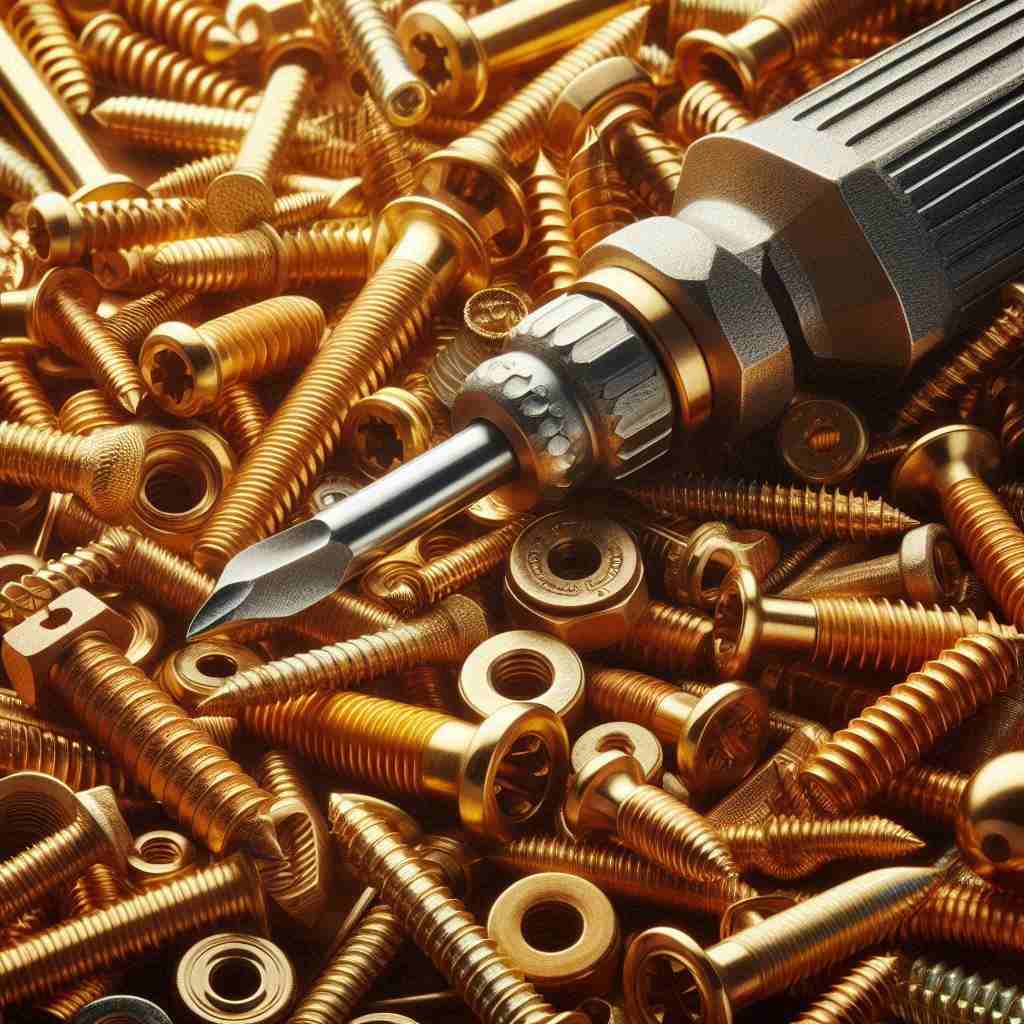
Brass screws are fasteners made primarily from brass, an alloy that combines copper and zinc. Typically composed of 60-70% copper and the rest zinc, this material offers a unique combination of strength, corrosion resistance, and an attractive golden hue.
Why Choose Brass Screws?
Brass screws are often preferred for their corrosion resistance, making them ideal for use in environments prone to humidity or moisture. Additionally, their aesthetic appeal adds a luxurious touch to furniture, electronics, and more. Whether you’re working on a decorative project or need a reliable fastener for outdoor use, brass screws are a versatile choice.
Properties of Brass Screws
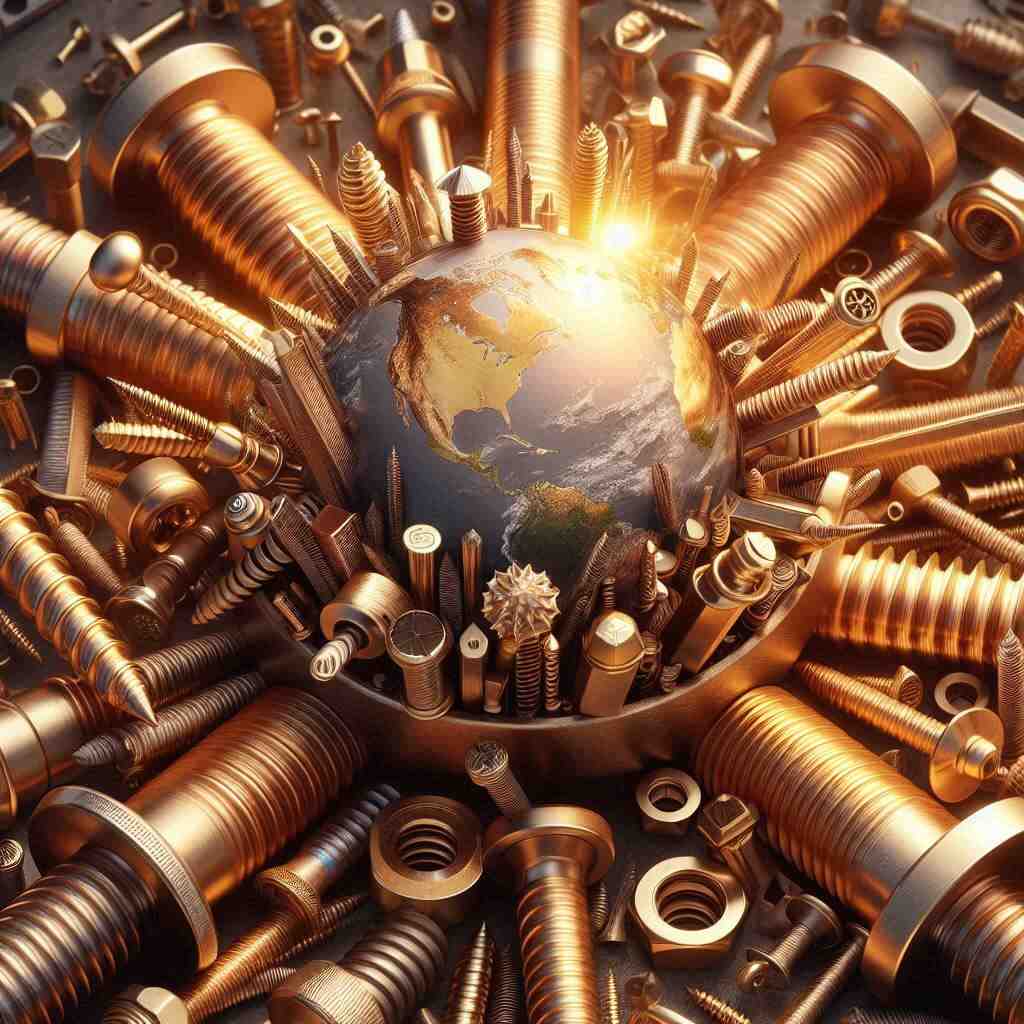
Brass screws come with a variety of beneficial properties that make them an excellent choice for a wide range of applications.
Corrosion Resistance
Brass screws are naturally resistant to corrosion, especially compared to steel screws. This makes them ideal for use in high-moisture environments, such as outdoor applications or areas near water. They maintain their strength and appearance even when exposed to harsh conditions.
Strength and Durability
Although softer than steel, brass screws offer considerable strength and durability. They are resistant to wear and tear, and their malleability allows them to withstand stress without cracking. This makes them perfect for applications that require long-term reliability.
Aesthetic Appeal
One of the standout features of brass screws is their golden color, which gives them an elegant, polished look. They add a touch of sophistication and are often used in high-end furniture design, antique restoration, and decorative projects.
Applications of Brass Screws
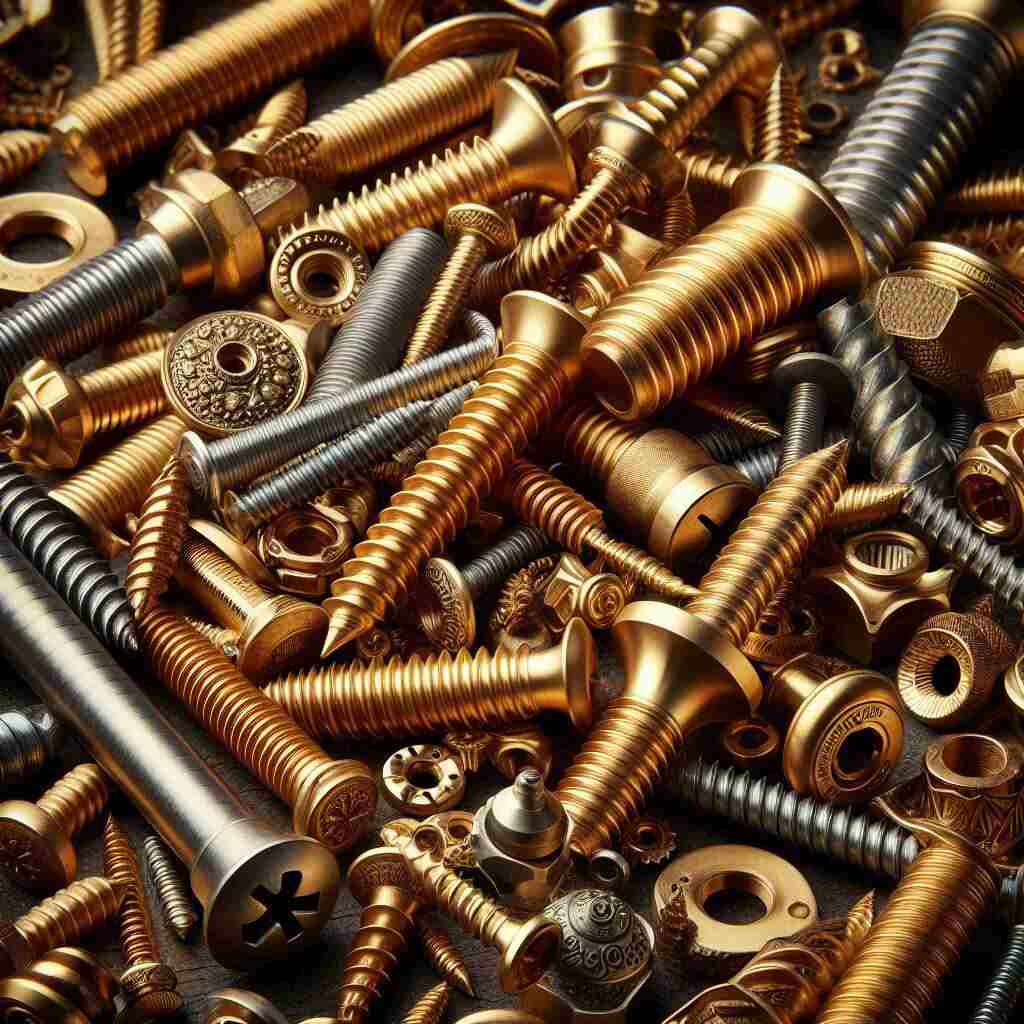
Brass screws are incredibly versatile and can be used in a wide range of industries. Here are some common applications:
Common Uses in Construction
Brass screws are often used in construction, especially for electrical fixtures, plumbing, and lighting. Their corrosion resistance makes them an excellent choice for areas that are exposed to moisture or harsh environmental conditions.
Applications in Electronics
In the world of electronics, brass screws are commonly used to secure components in devices such as computers, smartphones, and other gadgets. Their corrosion resistance ensures that the screws will continue to perform well over time, even in small, delicate assemblies.
Brass Screws in Furniture Design
Brass screws add elegance and durability to furniture projects. They are especially popular in high-end furniture design and woodworking because of their ability to complement various materials like wood, metal, and glass.
Decorative Uses of Brass Screws
Beyond their functional uses, brass screws also have a place in decorative projects. Their shiny, golden appearance is used in cabinet hardware, lighting fixtures, and other design elements where aesthetics matter.
Types of Brass Screws
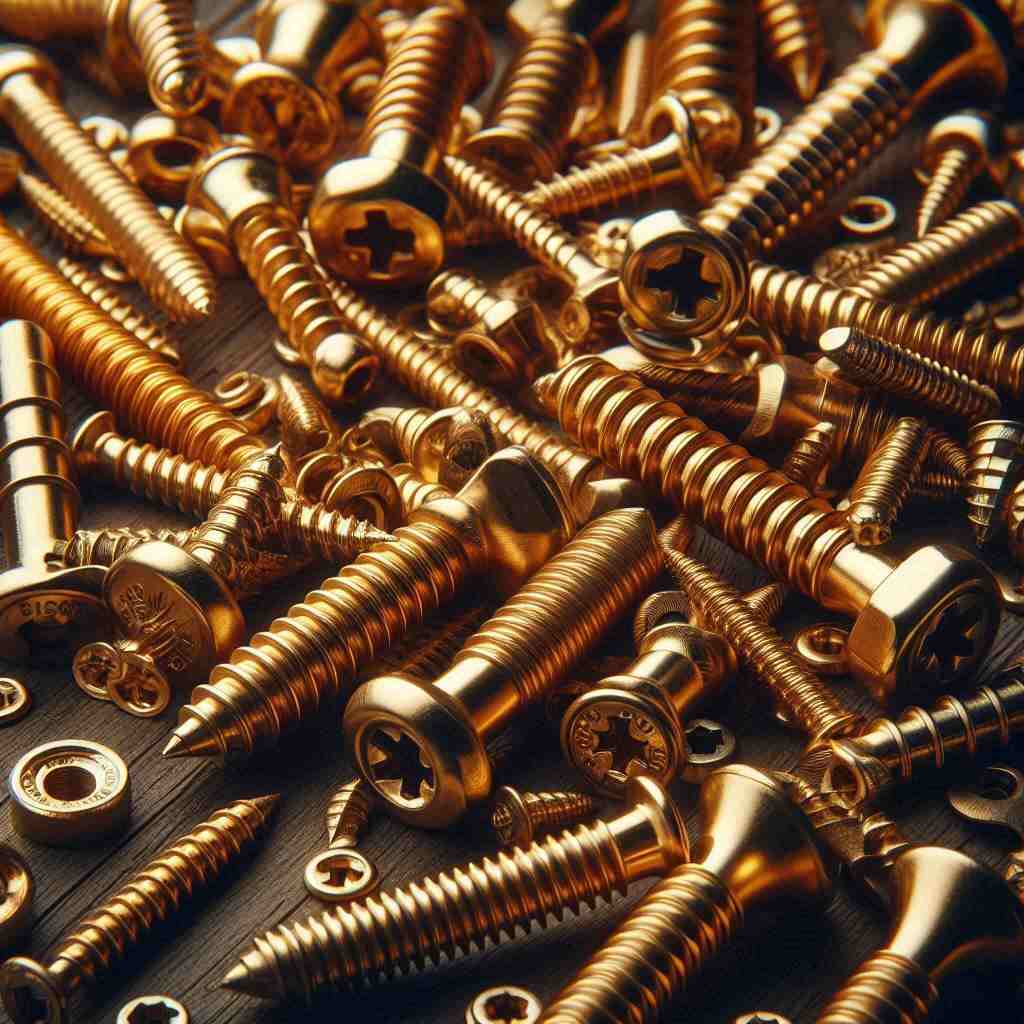
Brass screws come in different variations, each suited for specific purposes. Here’s a look at some of the most common types:
Standard Brass Screws
These are the most basic type of brass screw and are used in general applications where strength and durability are needed. They are available in a variety of sizes and thread types.
Coated Brass Screws
Coated brass screws are often plated with additional metals, such as nickel or chrome, to improve their resistance to corrosion and wear. The coating also enhances their appearance, giving them a polished, shiny finish.
Brass Machine Screws
Machine screws are designed to be used with nuts or tapped holes. Brass machine screws are often used in mechanical or industrial applications due to their strength and corrosion resistance.
Brass Wood Screws
These screws are specifically designed for use in wood. With a tapered design and threads that grip wood tightly, brass wood screws are ideal for furniture making, cabinetry, and general woodworking projects.
Advantages of Using Brass Screws
There are many reasons to choose brass screws over other types of fasteners. Here are some of the key benefits:
Enhanced Longevity
Thanks to their resistance to rust and corrosion, brass screws can last much longer than steel or iron screws. This makes them ideal for outdoor applications and environments with high humidity.
Aesthetic Appeal in Design
Brass screws have a unique, golden appearance that enhances the visual appeal of any project. They are often used in furniture design, antique restoration, and other decorative applications where the finish matters.
Better Resistance to Rust and Corrosion
Brass is naturally resistant to rust and corrosion, especially when exposed to moisture. This makes brass screws the perfect choice for use in coastal or damp environments, where other materials may deteriorate quickly.
Versatility in Various Industries
From construction to electronics and furniture making, brass screws are used across a wide range of industries. Their combination of strength, beauty, and corrosion resistance makes them a go-to choice for many applications.
How to Select the Right Brass Screw
Choosing the right brass screw is crucial to the success of your project. Here are some factors to consider:
Consider the Application
Think about where the screw will be used. For outdoor applications, select brass screws with a coating for added protection. For decorative purposes, you may want to choose screws with a polished finish.
Size and Thread Type
Brass screws come in a variety of sizes and thread types. Make sure to choose the correct size and thread for the specific material and application.
Coating vs. Non-Coating
Coated brass screws offer extra protection against corrosion and wear. If your project requires additional durability, coated screws may be the better choice.
Installing Brass Screws
Proper installation is essential for ensuring that brass screws perform well and last longer. Here’s how to install them:
Tools Required
To install brass screws, you’ll need a drill or screwdriver, depending on the material. A countersink bit is also useful to ensure the screw sits flush with the surface.
Step-by-Step Installation Guide
- Choose the right brass screw for your project.
- Drill a pilot hole that matches the screw’s size.
- Insert the screw into the hole and tighten using a screwdriver or drill.
- Be careful not to overtighten, as this can damage the screw or material.
Common Mistakes to Avoid
- Using the wrong screw size
- Overtightening the screw
- Forgetting to drill a pilot hole
Maintaining Brass Screws
To ensure that brass screws maintain their appearance and functionality, follow these maintenance tips:
Cleaning Brass Screws
Clean brass screws regularly to prevent tarnishing. Use a mild soap solution and a soft cloth to wipe away dirt and grime, then dry thoroughly.
Preventing Corrosion
Though brass is corrosion-resistant, it can still tarnish over time. To keep brass screws looking their best, use a brass cleaner or polish to maintain their shine.
When to Replace Brass Screws
If your brass screws show signs of damage, such as stripped threads or heavy tarnishing, it’s time to replace them. Regular inspection will help you catch any issues early.
Environmental Considerations
Brass is a recyclable material, making brass screws an environmentally friendly option. When you’re finished with your brass screws, consider recycling them to reduce waste.
Conclusion
Brass screws are a fantastic choice for a wide range of projects, offering strength, durability, and aesthetic appeal. Whether you’re working on furniture, electronics, or construction, brass screws provide the perfect balance of functionality and beauty. Their resistance to corrosion, long lifespan, and elegant finish make them a preferred choice for many industries.
Frequently Asked Questions (FAQs)
1. What are the advantages of using brass screws over steel?
Brass screws are more corrosion-resistant than steel and have an attractive golden hue, making them ideal for both functional and decorative purposes.
2. Can brass screws rust?
Brass screws are highly resistant to rust, but they can tarnish over time. However, tarnishing does not affect their structural integrity.
3. How can I clean brass screws?
Clean brass screws with a mild soap solution and a soft cloth. Dry them thoroughly to avoid water spots.
4. Are brass screws good for outdoor use?
Yes, brass screws are ideal for outdoor use due to their resistance to corrosion and tarnishing, even in damp conditions.
5. What are the most common sizes of brass screws?
Common sizes of brass screws include #4, #6, #8, and #10, but they come in various sizes to fit different applications.
6. Can I use brass screws in electrical applications?
Yes, brass screws are commonly used in electrical applications because they are corrosion-resistant and provide good electrical conductivity.
7. Are brass screws stronger than stainless steel screws?
While brass screws are not as strong as stainless steel, they are more resistant to corrosion and offer a unique aesthetic appeal.
8. How long do brass screws last?
Brass screws can last many years, particularly when used in environments where they are less exposed to extreme wear and tear.
9. How can I tell if a screw is made of brass?
Brass screws have a distinct golden color and are softer than steel screws. Their appearance is usually a good indicator.
10. Can brass screws be used in marine environments?
Yes, brass screws are excellent for marine environments due to their superior resistance to rust and corrosion from saltwater.