New York Times Sunday Crossword Solution: Complete Guide
What Is the New York Times Sunday Crossword?
The New York Times Sunday Crossword is not just a bigger puzzle. It is a weekly ritual. Published every Sunday, it is the largest and most elaborate crossword puzzle from the NYT, designed to challenge even experienced solvers.
How It Differs From Daily Crosswords
Daily NYT crosswords start easy on Monday and get harder through Saturday. Sunday sits outside this sequence. Difficulty-wise, it usually lands around a Thursday or Friday level, but the size makes it feel more demanding.
Why Sunday Puzzles Are So Popular
The appeal is simple. Bigger grid, clever themes, and enough complexity to keep your brain busy for hours. For many, solving it with a cup of coffee is a Sunday tradition.

Understanding the Structure of the Sunday Crossword
Before jumping straight to the New York Times Sunday crossword solution, understanding the structure helps you solve smarter.
Grid Size and Layout
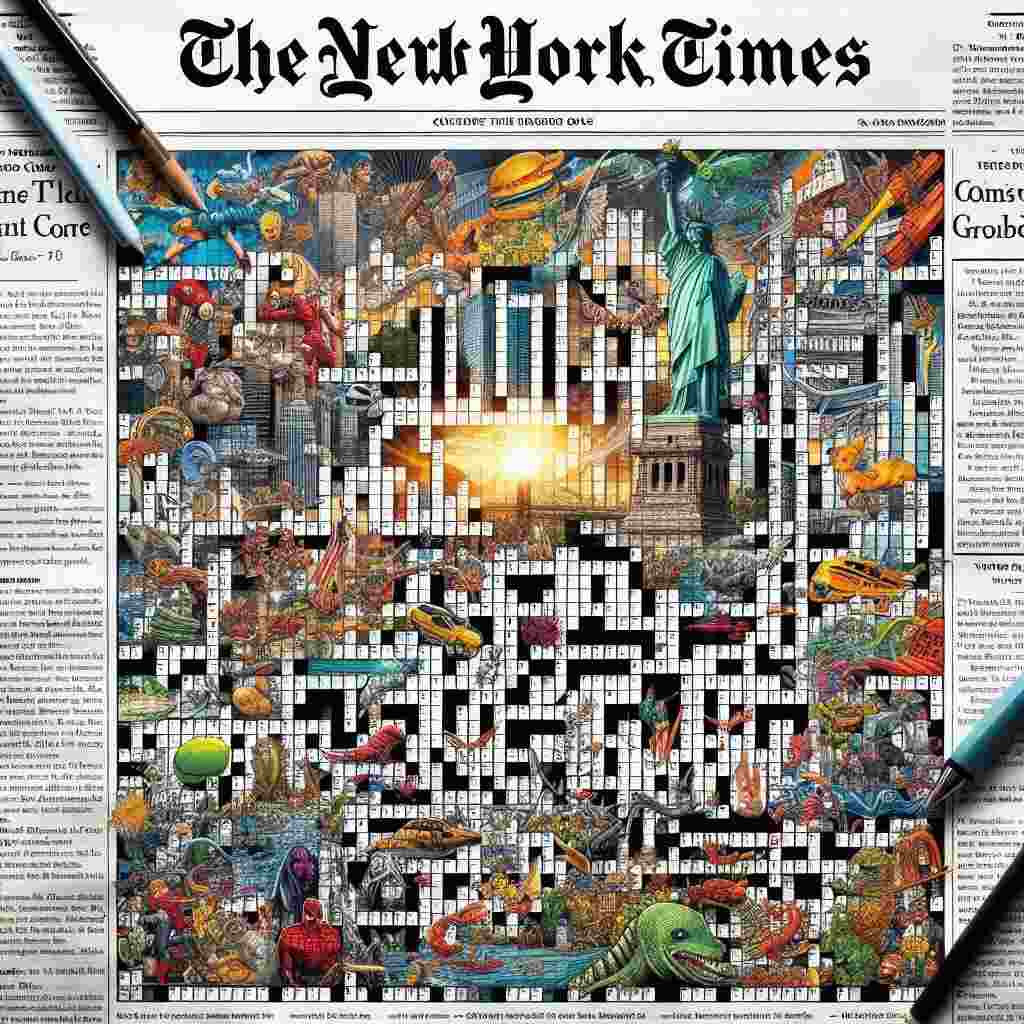
The Sunday crossword typically uses a 21×21 grid, compared to the 15×15 weekday grid. More squares mean longer answers, more theme entries, and more opportunities to get stuck.
Themes and Gimmicks
Most Sunday puzzles revolve around a central theme.
Rebus Squares
Sometimes, a single square holds multiple letters or a symbol. These rebus squares often unlock the entire puzzle once identified.
Wordplay and Puns
Sunday themes love wordplay. Think of phrases that bend language slightly, like stretching a metaphor without breaking it.
Why People Search for the NYT Sunday Crossword Solution
Even skilled solvers look up the solution. That is normal.
Difficulty Level Explained
The clues are layered. A clue might look straightforward but hides a double meaning. That mental switch is where many solvers pause.
Common Sticking Points for Solvers
- Obscure trivia
- Cultural references
- Misleading clue phrasing
- Incomplete theme understanding
The solution acts like a map when you feel lost.
How to Approach the Sunday Crossword Before Checking the Solution
Think of the solution as a teacher, not a shortcut.
Start With the Theme Clues
Theme answers are usually the longest. Once you crack one, others follow the same logic.
Fill the Long Answers First
Long entries give more crossing letters. That narrows down options for shorter, trickier clues.
Use Cross-Checking Strategically
If one clue feels impossible, skip it. Fill intersecting answers instead. The correct letters often reveal the answer without forcing it.
New York Times Sunday Crossword Solution Explained
Looking at the solution is most useful when you analyze it.
Breaking Down the Theme
The theme is the backbone. Once you understand how the theme answers are constructed, the puzzle suddenly feels fair, not cruel.
Interpreting Clever Clues
NYT clues reward precise reading. A single word like “perhaps” or “once” changes everything. The solution shows how that precision works.
Avoiding Common Misreads
Many wrong answers feel right. The solution highlights why they are wrong, helping you avoid the same traps next week.
Tips to Learn From the Sunday Crossword Solution
The real value is long-term improvement.
Expanding Vocabulary
Repeated exposure to answers introduces new words naturally, without memorization.
Recognizing Constructor Patterns
You start noticing patterns. Certain clue styles hint at puns, abbreviations, or playful definitions.
Improving Future Solves
Each solved puzzle trains your instincts. Over time, you rely less on solutions and more on pattern recognition.
Digital vs Print Sunday Crossword Solutions
How you solve affects how you learn.
Online Interactive Solving
Digital versions offer auto-checks and error highlighting. Useful, but sometimes too forgiving.
Newspaper Edition Experience
Print forces patience. No hints, no alerts. When you later check the solution, the learning impact is stronger.
Ethical Use of Crossword Solutions
Using a solution does not mean cheating.
Learning vs Spoiling the Fun
Checking one clue to understand the theme keeps the puzzle enjoyable. Copying the entire grid removes the challenge.
When to Check the Answer Key
Best time: after genuine effort. That balance keeps the puzzle rewarding.
How the NYT Sunday Crossword Improves Mental Fitness
This is more than a game.
Cognitive Benefits
Solving crosswords strengthens memory, pattern recognition, and verbal reasoning. It is like a gym session for your brain.
Stress Relief and Routine Building
The focused attention required pushes out noise. That calm focus is why many solvers treat Sunday puzzles as mental reset buttons.
Conclusion
The New York Times Sunday crossword solution is not an escape hatch. It is a learning tool. Used correctly, it sharpens your skills, deepens your appreciation for clever construction, and makes future puzzles more satisfying. The goal is not perfection, but progress.
FAQs
Is the NYT Sunday crossword harder than weekday puzzles?
It is larger and theme-heavy, making it feel harder, even though clue difficulty is usually mid-to-high level.
Should beginners use the Sunday crossword solution?
Yes, if used for learning rather than copying answers blindly.
Do Sunday crosswords always have a theme?
Almost always. The theme is central to solving efficiently.
Are rebus squares common in Sunday puzzles?
They appear regularly, especially in more creative themes.
Does solving regularly actually improve skills?
Yes. Consistent solving builds intuition, speed, and confidence.