15 Best Travel Wallets for International Travel
Most travelers discover their everyday wallet is inadequate at the worst possible moment: standing at a check-in counter, juggling a passport, three currencies, and a boarding pass that won’t stay in any pocket. The best travel wallets solve this before it happens, by combining passport storage, RFID protection, multi-currency organization, and fast checkpoint access into a single, purpose-built system. This guide skips the manufacturer spec sheets that dominate most buying guides and instead evaluates wallets the way a frequent flyer actually uses one — under load, at security checkpoints, and across humid climates and foreign currencies that punish a poorly designed design.
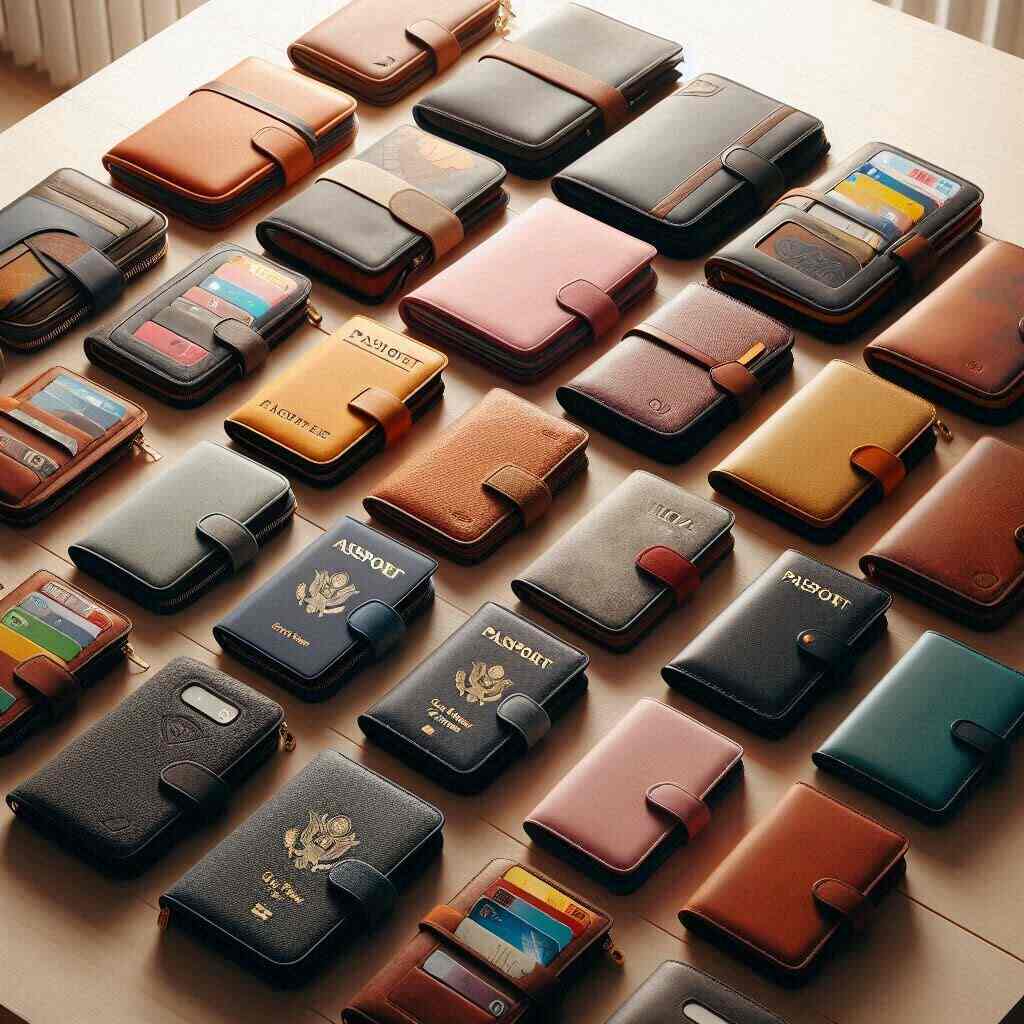
You’ll find dedicated breakdowns for men’s and women’s travel wallets, neck wallets, and fully hidden anti-theft designs, along with the security tradeoffs, weight realities, and AirTag compatibility questions that most reviews skip entirely. Every recommendation here is built around how a wallet performs once it’s loaded with the things you actually carry abroad — not how it looks empty on a product page. By the end, you’ll know exactly which category of travel wallet fits your trip, your security needs, and your carry style.
Engineering the Ultimate Travel Wallet: Form, Materials, and Transit Function
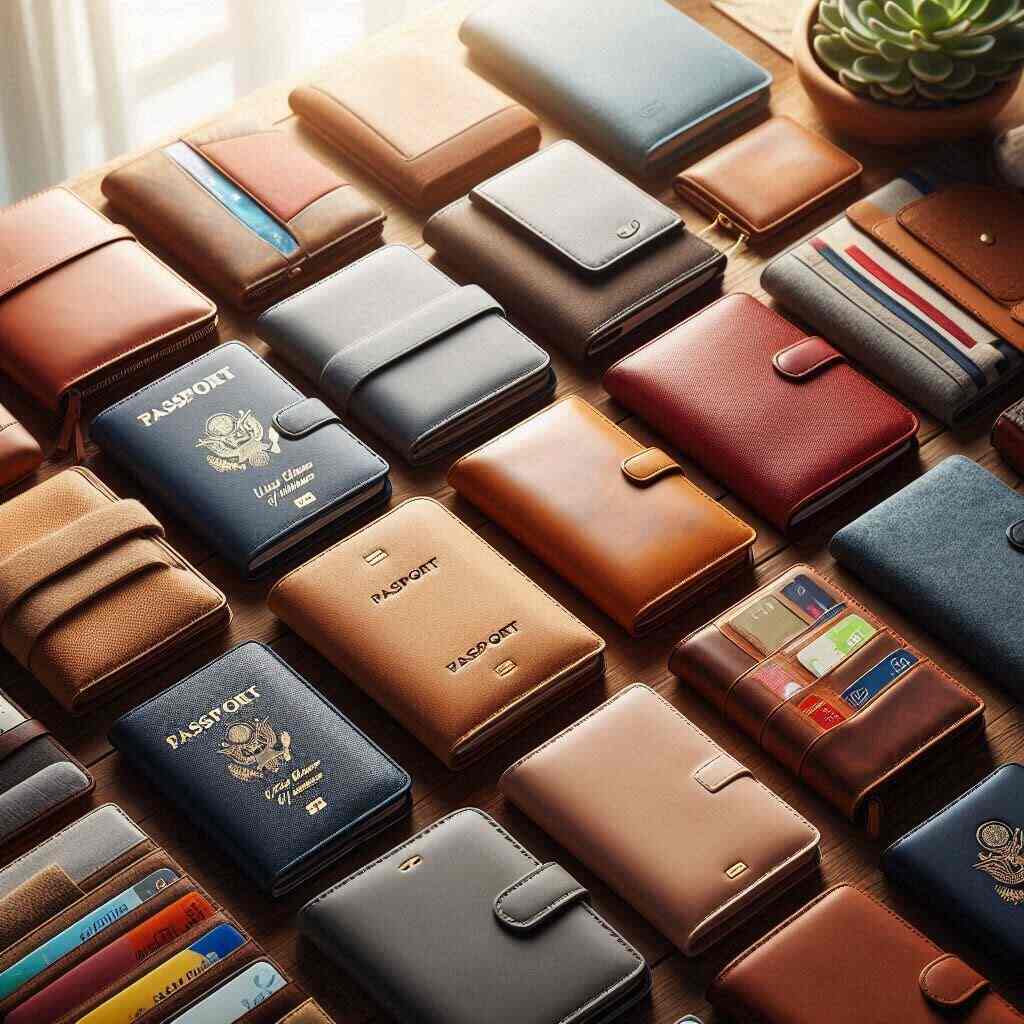
Choosing the best wallet for travelling starts with a different set of priorities than choosing a daily wallet. A daily wallet only needs to hold a driver’s license, a couple of cards, and some cash. A travel wallet has to handle a passport, boarding passes, customs forms, multiple currencies, and often a second ID — while still fitting in a jacket pocket or bag without becoming a brick. The materials, dimensions, and internal layout that work fine for daily use frequently fail under this expanded load, which is why travel wallets deserve their own engineering standard rather than a scaled-up version of a regular wallet.
The starting point is dimensional compatibility. A US passport measures 3.5 by 4.92 inches closed, and any travel wallet that claims passport compatibility needs at least a quarter-inch of clearance beyond that on each side to avoid bowing the spine over a multi-week trip. Cheaper “universal” wallets often list passport compatibility without accounting for the embossed cover or the RFID chip embedded near the spine of newer passport books, which adds bulk that thinner wallets don’t budget for. When you’re comparing options, check the interior passport pocket depth specifically, not just the overall wallet dimensions advertised on the listing.
Engineering the Ultimate Travel Wallet: Form, Materials, and Transit Function
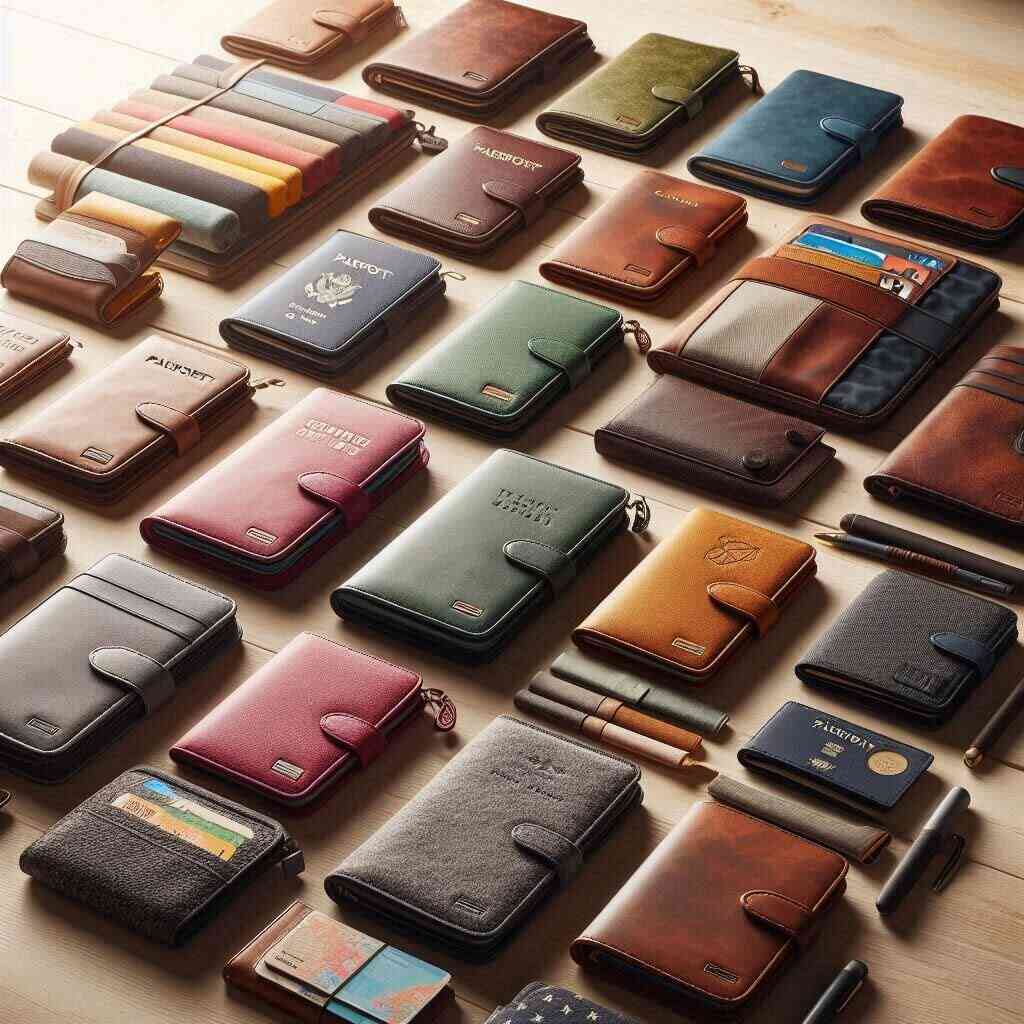
A well-designed travel passport wallet should also account for document retrieval frequency, not just storage dimensions. Travelers often focus on whether a passport physically fits inside a wallet while overlooking how often that passport must be removed during check-in, immigration inspections, hotel registration, and transportation transfers. The most effective designs balance document protection with repeated-access usability rather than treating passport storage as a passive compartment.
Checkpoint access speed is the single most overlooked factor in travel wallet design, and it’s the one that creates the most real-world frustration. At a TSA checkpoint or an immigration desk, you typically need three things in rapid succession: your passport or ID, your boarding pass, and sometimes a customs declaration form. A wallet that buries your passport under a flap with a snap closure costs you five to ten extra seconds every time — which sounds trivial until you’ve held up a line of forty people behind you at a Schengen border crossing. The best designs put the passport in an exterior or top-access slot that opens with one motion, while secondary documents sit in interior compartments that don’t need to be accessed under time pressure.
This is exactly what we measured to build the Checkpoint Flow Matrix below — a structured comparison of how quickly each major travel wallet type lets you reach your documents under realistic checkpoint conditions, rather than relying on manufacturer claims about “quick access” that rarely hold up at an actual gate.
The Global Checkpoint Flow Matrix below shows how each major travel wallet category performs when speed and security both matter at the gate.
| Wallet Type | Passport Capacity | Currency Capacity | Coin Storage | RFID Protection | AirTag Compatibility | One-Hand Access Rating | TSA Speed Rating | Best User Type |
|---|---|---|---|---|---|---|---|---|
| Passport Folio | 1–2 passports | 6–8 notes | None | Yes (most models) | Yes, in card slot | High | Fast | Family travelers, dual-passport holders |
| Minimalist Wallet | None (cards only) | 4–6 notes | None | Yes | Yes, with spacer | High | Fast | Light packers, short domestic-international hybrid trips |
| Aluminum Wallet | None | 2–3 notes folded | None | Yes (built-in) | Limited, adds bulk | Medium | Medium | Card-heavy travelers prioritizing card security |
| Women’s Organizer | 1 passport | 10+ notes, multi-currency | Yes, dedicated pouch | Yes | Yes, interior slot | Medium | Medium | Multi-currency travelers, family document carriers |
| Neck Wallet | 1 passport | 6–10 notes | Small pouch | Yes | Yes, but reduces airflow | Low (two-hand access) | Slow | High-risk destinations, pickpocket-heavy cities |
| Hidden Wallet | 1 passport | Variable | Limited | Yes | Yes, placement-dependent | Low (intentional) | Slowest | Maximum-security scenarios, large cash carry |
The matrix above captures a tradeoff most buying guides ignore entirely: the wallets with the fastest checkpoint access tend to offer the least concealment, and the most secure hidden designs are deliberately slow to access. That’s not a flaw — it’s the correct design tradeoff, and understanding which side of it you need is the actual decision this article helps you make.
TSA & Immigration Extraction Timing Framework
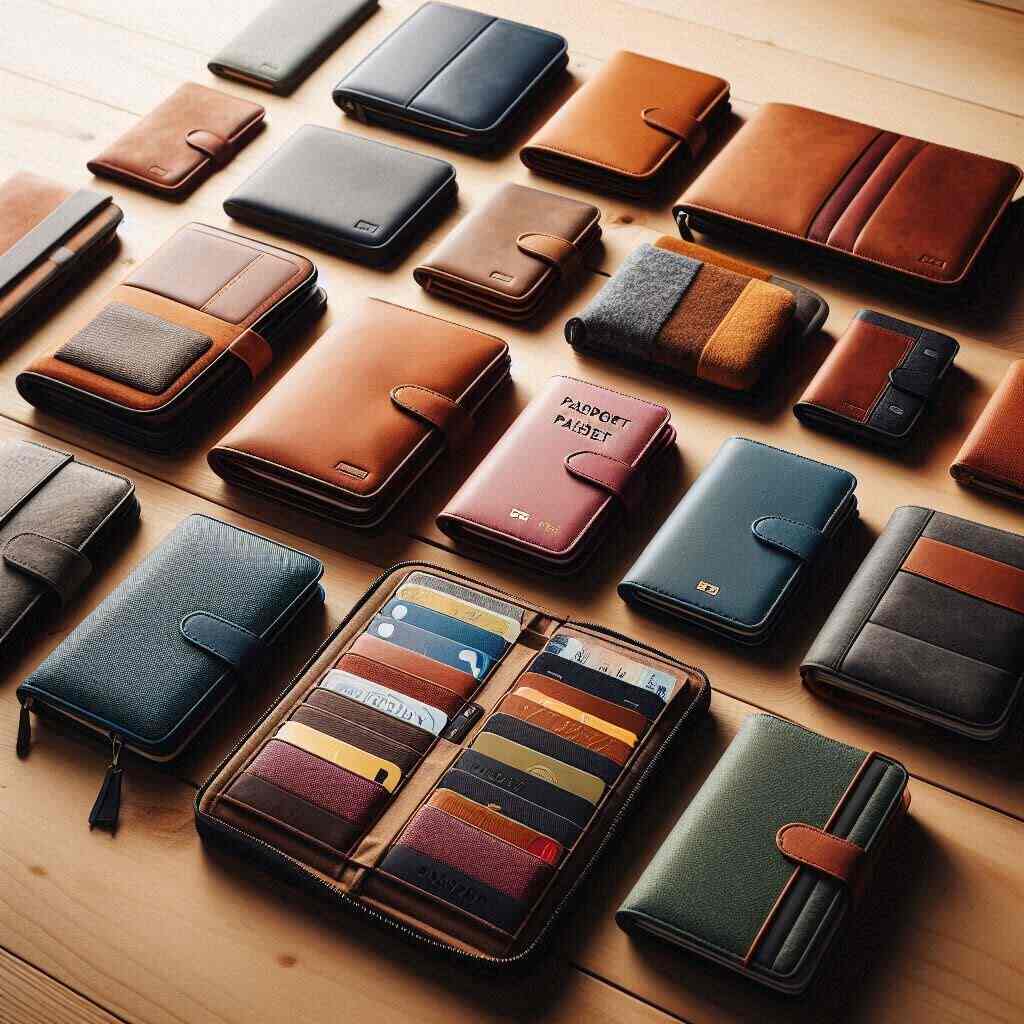
The Checkpoint Flow Matrix compares wallet categories conceptually, but travelers often ask a more practical question: how many seconds does it actually take to retrieve the required documents at a checkpoint? To answer that, it helps to evaluate wallets using a TSA Disruption Rating System based on realistic retrieval workflows rather than marketing language.
The framework assumes a traveler is carrying a passport, boarding pass, and primary payment card while managing luggage or personal items.
| Wallet Type | Passport Extraction Time | Boarding Pass Access Time | Card Access Time | Total Retrieval Time | TSA Disruption Rating |
|---|---|---|---|---|---|
| Passport Folio | 2–3 sec | 1–2 sec | 1 sec | 4–6 sec | Excellent |
| Minimalist Wallet + Separate Passport | 4–6 sec | 2–3 sec | <1 sec | 6–10 sec | Very Good |
| Aluminum Wallet + Passport Sleeve | 5–7 sec | 2–3 sec | <1 sec | 7–11 sec | Good |
| Women’s Organizer | 3–5 sec | 2–3 sec | 1–2 sec | 6–10 sec | Very Good |
| Neck Wallet | 6–10 sec | 3–5 sec | 2–3 sec | 11–18 sec | Moderate |
| Hidden Wallet | 10–20 sec | 5–10 sec | 3–5 sec | 18–35 sec | Slow |
The goal is not to minimize retrieval time at all costs. A hidden wallet intentionally sacrifices speed in exchange for concealment, while a passport folio prioritizes accessibility. The key is choosing a design whose retrieval speed aligns with your actual travel environment. Business travelers making frequent airport connections generally benefit from faster-access designs, while travelers carrying emergency cash reserves or backup documents may willingly accept slower access in exchange for greater security.
A useful rule is to separate frequently used items from emergency items. Passport, boarding pass, and a daily-use payment card should remain quickly accessible, while backup cash reserves, secondary cards, and contingency documents can be stored in slower-access hidden compartments.
Material choice drives both the weight and the durability side of this equation, and it’s where most affiliate content stops at “genuine leather” without explaining what that means under real conditions. Full-grain leather offers the best long-term structure and ages well, but it absorbs moisture in humid climates and can take a full day to dry out after exposure to rain, which matters if you’re traveling through Southeast Asia or coastal Latin America during wet season. Vegetable-tanned leather is more breathable and develops a patina travelers tend to like, but it’s softer and loses shape faster under the weight of a loaded passport pocket. Ballistic nylon and UHMWPE (ultra-high-molecular-weight polyethylene, often branded as 10XD or similar names) resist water and abrasion far better and barely change weight when wet, which makes them the more rational choice for anyone visiting more than one climate zone on a single trip. Aluminum and carbon fiber wallets solve the moisture problem entirely but sacrifice passport capacity, since rigid shells can’t expand to accommodate a passport’s curved spine the way fabric or leather can.
The weight difference between empty and loaded wallets is dramatically underreported on product listings. A leather passport wallet that lists an empty weight of 3.2 ounces can reach 7 to 9 ounces once it’s holding a passport, eight cards, two boarding passes, and a mix of currencies — nearly triple the advertised figure. This matters for two practical reasons: pocket strain on dress pants and jackets that weren’t built for that load, and the cumulative annoyance of carrying unnecessary bulk through a full day of sightseeing. The Material Durability & Weight Scale Grid below quantifies this gap across the six material categories travelers encounter most often.
Use the Material Durability & Weight Scale Grid to compare how each material performs once it’s actually loaded for a trip, not just sitting empty on a shelf.
| Material | Empty Weight | Loaded Weight | Water Resistance | Humidity Resistance | Passport Protection | Lifespan | Best Use Case |
|---|---|---|---|---|---|---|---|
| Full-Grain Leather | 3.0–3.5 oz | 7–9 oz | Low | Medium | High (rigid structure) | 8–12 years | Cold/dry climate trips, business travel |
| Vegetable-Tanned Leather | 2.5–3.0 oz | 6–8 oz | Low | Medium-Low | Medium | 4–6 years | Short domestic-to-international trips |
| Ballistic Nylon | 1.8–2.2 oz | 5–6.5 oz | High | High | Medium-High | 6–10 years | Backpackers, multi-climate itineraries |
| UHMWPE (10XD) | 1.5–2.0 oz | 4.5–6 oz | Very High | Very High | High (with internal stiffener) | 10+ years | Humid climates, beach destinations, adventure travel |
| Aluminum | 2.2–2.8 oz | 4–5 oz | Very High | Very High | Low (no passport slot in most models) | 10+ years | Card-only carry, minimalist travelers |
| Carbon Fiber | 1.6–2.0 oz | 3.5–4.5 oz | High | High | Low (rare passport models) | 8+ years | Light packers, frequent business flyers |
RFID Protection: What It Actually Does (And What It Doesn’t)
RFID protection is one of the most heavily marketed travel-wallet features, but many travelers misunderstand both its benefits and its limitations. An RFID blocking travel wallet works by using conductive materials that create a shielding effect around RFID-enabled cards and passport chips, reducing the ability of nearby scanners to read the information stored inside.
Most travel-relevant RFID systems operate at either:
- 13.56 MHz (used by modern contactless payment cards and e-passports)
- 125 kHz (older access-control and identification systems)
The overwhelming majority of travel-wallet RFID protection focuses on the 13.56 MHz frequency because it is the standard used by passports, contactless credit cards, and transit-payment systems around the world.
The practical risk is often exaggerated. Real-world RFID skimming requires a scanner to be placed extremely close to the target device, usually within a few inches under realistic conditions. This means RFID theft is generally far less common than traditional theft methods such as:
- Pickpocketing
- Bag snatching
- Distraction theft
- Physical card theft
This is why RFID protection should be viewed as a secondary security layer rather than a primary anti-theft strategy.
A high-quality RFID blocking travel wallet reduces the chance of unauthorized wireless reads, but it does not:
- Prevent physical theft
- Protect against phishing attacks
- Stop fraudulent online transactions
- Eliminate the need for normal travel security practices
The best approach is layered security. Use RFID shielding as an additional barrier while continuing to prioritize strong document organization, concealed carry where appropriate, and physical awareness in crowded travel environments.
For most international travelers, RFID protection is worth having because it adds security with almost no downside, but it should never be the sole reason for selecting a travel wallet.
Currency width compatibility is the gap that US-centric reviews consistently miss, and it directly affects how usable a wallet is once you cross a border. US dollar bills measure 6.14 by 2.61 inches, but Euro banknotes are wider — the 50 Euro note measures 6.14 by 2.95 inches — and Japanese yen notes run even longer at roughly 6.5 inches for higher denominations. A wallet built tight around US dollar dimensions will leave Euro notes peeking out of the edge or folded against the grain, which accelerates wear and makes notes harder to count quickly at a register. Swiss franc notes add another variable: they’re notably taller than most currencies, at nearly 2.8 inches even on smaller denominations. If your itinerary spans the US, Eurozone, UK, Switzerland, and Japan in a single trip — a common pattern for business travelers and long-haul backpackers — you need a wallet with at least 6.5 inches of internal currency-pocket length and enough depth to handle taller notes without folding them.
Coin storage deserves explicit mention here because it’s the feature most travel wallets skip entirely, assuming a card-and-cash-only world that doesn’t match European or Japanese travel reality. A week in the Eurozone routinely produces €15–25 in coins from cash transactions, parking meters, and transit fares, and Japan’s 100-yen and 500-yen coins accumulate even faster given the country’s continued cash-heavy retail culture. A travel wallet without a dedicated coin pouch forces those coins into the bill compartment, where they bend currency and create an uneven bulge that defeats the slim profile the wallet was chosen for in the first place.
Dual-passport carry is a smaller but genuinely underserved use case. Dual citizens switching documents at different borders, business travelers carrying both a personal and diplomatic or corporate passport, and family travel coordinators holding passports for children all need more than the single-document slot most wallets assume. A small number of passport folio designs include two stacked passport sleeves rather than one, and if this applies to your situation, it’s worth filtering specifically for that feature rather than assuming any “passport wallet” will accommodate a second document without crowding the first.
Putting this together: the best wallet for travelling is the one whose material matches your climate, whose dimensions match your currency mix, and whose document layout matches how fast you actually need to move through a checkpoint. A business traveler doing quick domestic-to-international hops in dry climates can prioritize full-grain leather and accept the weight tradeoff. A backpacker moving through humid Southeast Asia for three months should prioritize UHMWPE or ballistic nylon regardless of how the leather option looks. Match the material to the trip first, then evaluate capacity second — reversing that order is how most people end up with a travel wallet that looks right in a store but fails on the road.
The Best Men’s Travel Wallets: Front-Pocket and Minimalist Form Factors
The best travel wallet for men is built around a constraint most women’s designs don’t share: front-pocket carry. Men’s trousers and travel pants are cut for slim, low-profile items, which means a men’s travel wallet has to balance passport and currency capacity against a thickness ceiling that a bag-carried wallet never has to respect. Get this wrong and you end up with a wallet that bulges visibly through dress pants, prints against fabric in a way that signals “wallet” to anyone scanning for a target, and forces an uncomfortable seated posture on long flights or train rides.
Pocket printing — the visible outline of a wallet through fabric — is a security issue, not just an aesthetic one. Pickpockets in tourist-dense areas like Barcelona’s Las Ramblas or Rome’s metro system specifically watch for printing patterns that indicate a wallet’s location, then time their approach around moments of distraction. A wallet that sits flat and low-profile in a front pocket is meaningfully harder to spot than one that creates a rectangular outline, which is why thickness and rigidity matter more for men’s travel wallets than almost any other design factor.
Front-pocket draw mechanics — how quickly and smoothly you can remove the wallet without standing up, repositioning, or fumbling — separate genuinely well-designed men’s travel wallets from repurposed daily wallets. Sitting on a plane or train, you need to be able to draw the wallet with minimal hip movement, which favors slim, slightly curved designs over flat rectangular ones that catch on pocket seams. Walking through an airport with luggage in both hands, you need single-motion access that doesn’t require freeing a second hand to hold a flap open. The wallets that fail here are usually bifolds with a snap or zip closure that requires two-handed opening — fine for a wallet that lives in a bag, frustrating for one that needs to come out of a front pocket fifteen times in a single travel day.
Suit-jacket compatibility matters specifically for business travelers who need a wallet that works in an interior jacket pocket as well as a trouser pocket, since switching between airport casual and a client meeting on the same trip is common. Jacket pockets are typically deeper and more forgiving on width than trouser pockets, but they still penalize excessive thickness — a wallet over 0.6 inches loaded tends to create a visible bulge under a fitted jacket. Pop-up card mechanisms, which use a thumb-trigger to fan out 3–4 cards at once, solve a real problem here: they let you present a card during a meeting without unfolding a full wallet, which reads as more polished than digging through a passport bifold at a client dinner.
Metal versus leather is the most common comparison men ask about, and the honest answer depends on what you’re optimizing for. Aluminum and carbon fiber card cases offer superior pocket printing resistance because their rigid edges hold a consistent, low profile regardless of how many cards are inside, and they shrug off humidity and rain without the drying time leather needs. But almost none of them accommodate a passport, which means metal-wallet users typically need a second slim passport sleeve for international trips — adding back some of the bulk the metal wallet was chosen to avoid. Leather and ballistic nylon bifolds sacrifice some printing resistance but solve the passport problem in a single unit, which is why most dedicated travel wallets remain fabric or leather rather than metal, even though metal dominates the daily-carry EDC market.
The Pocket Profile Thickness Matrix below quantifies how five common wallet styles perform once loaded, focused specifically on the metrics that determine pocket comfort and theft resistance.
| Wallet Style | Empty Thickness | Loaded Thickness | Pocket Printing Risk | Pickpocket Resistance | Sitting Comfort | Suit Compatibility |
|---|---|---|---|---|---|---|
| Classic Bifold | 0.3 in | 0.7–0.9 in | High | Low-Medium | Poor (sitting forward) | Medium |
| Passport Bifold | 0.4 in | 0.8–1.0 in | High | Medium | Poor | Medium |
| Aluminum Wallet | 0.25 in | 0.45–0.55 in | Low | High | Good | High |
| Pop-Up Wallet | 0.3 in | 0.5–0.65 in | Low-Medium | Medium-High | Good | High |
| Zip Wallet | 0.4 in | 0.75–0.95 in | Medium | High (zip deters quick theft) | Medium | Low-Medium |
The competitor gap that almost no buying guide addresses directly: pickpocket resistance and accessibility work against each other, and the matrix above makes that tension visible rather than glossing over it. A zip wallet is harder for a pickpocket to open mid-theft, but that same zip slows down your own legitimate access at a checkpoint. An aluminum wallet’s rigid edges make it both fast to draw and hard to lift cleanly from a pocket, which is why it scores well on both metrics simultaneously — the actual reason metal wallets have become popular with frequent business travelers despite the passport-capacity tradeoff.
Decision guidance: if you’re a business traveler moving through airports and client meetings on the same trip, prioritize a pop-up or aluminum-hybrid system with a separate slim passport sleeve. If you’re a backpacker or budget traveler prioritizing simplicity, a ballistic nylon passport bifold with RFID lining covers the widest range of scenarios without requiring you to carry two separate items.
Bifold vs. Hard-Shell Minimalist Profiles
The best men’s travel wallet decision usually comes down to a choice between a traditional folding bifold and a rigid, hard-shell minimalist case, and the right answer depends almost entirely on how you prioritize speed against security. Bifold structures fold flat and conform slightly to your pocket shape over time, which makes them more comfortable for all-day carry, but that same flexibility means they offer less resistance when someone tries to extract them — a soft fold gives way more easily under a quick tug than a rigid shell does.
Card access speed favors hard-shell designs in almost every scenario. A spring-loaded or sliding hard-shell case presents your top card in under a second with a single thumb motion, which is meaningfully faster than unfolding a bifold, locating the right card slot, and extracting a card that’s wedged against three or four others. This isn’t a minor convenience difference — at a checkout counter in a country where you’re fumbling with an unfamiliar currency, every second of friction increases your exposure as a visibly distracted tourist, which is itself a pickpocket risk factor.
Security implications cut the other way, though, once you account for passport carry. Hard-shell minimalist wallets are built almost exclusively for cards; very few accommodate a passport without an add-on sleeve, which means hard-shell users typically carry their passport separately — in a bag, a jacket pocket, or a dedicated passport holder. That separation is actually a security advantage in crowded environments: splitting your passport and your daily-spending cards across two locations means a single theft doesn’t compromise both your identity documents and your payment methods simultaneously. Bifold passport wallets consolidate everything into one unit, which is more convenient but creates a single point of failure if that wallet is lost or stolen.
The practical decision: choose a hard-shell minimalist case if you’re comfortable carrying your passport separately and prioritize fast card access at every transaction. Choose a passport bifold if you want everything consolidated in one item and you’re traveling somewhere with lower theft risk, where consolidation’s convenience outweighs the single-point-of-failure tradeoff.
Multi-Currency Dividers and Passport Security
The best men’s wallet for international travel needs internal dividers built specifically for handling more than one currency at once, since most domestic wallets assume a single denomination and a single currency for their entire useful life. A genuine multi-currency divider system separates notes by currency in distinct compartments rather than mixing them into one bill slot, which prevents the common travel mistake of accidentally handing over a 20 Euro note when you meant to pay in pounds because both currencies were folded together in the same pocket.
Effective divider design uses at least two separate bill compartments, ideally with a visual or textural distinction between them — some wallets use a different interior lining color for each currency slot specifically to prevent this mix-up at a glance. This matters more than it sounds: currency confusion under time pressure at a register, with a line forming behind you, is one of the more common low-stakes travel stress moments, and a wallet that prevents it through design is solving a real problem rather than a theoretical one.
Passport security within a men’s travel wallet depends on more than just having a slot — it depends on how exposed the passport’s RFID chip is during normal use. Newer e-passports contain an embedded chip near the back cover, and storing the passport with that chip facing outward against a non-RFID-lined slot leaves it more exposed to unauthorized scanning attempts in crowded areas like transit stations, even though the realistic risk of this happening is lower than most marketing copy implies. A wallet with full RFID-blocking lining around the passport compartment, not just the card slots, closes this gap completely regardless of which way the passport is inserted.
Decision guidance: if your itinerary includes three or more currencies, prioritize a wallet with at least two distinct, clearly differentiated currency compartments over one with more card slots than you’ll use. If you’re only crossing into one or two currency zones, a single well-built bill compartment is sufdecient, and you should weight your decision more heavily toward passport protection and pocket thickness instead.
The Best Women’s Travel Wallets: Versatility, Capacity, and Secure Organization
The best travel wallet for women operates under a different set of constraints than the men’s category, primarily because the carry context is usually a bag rather than a pocket, which removes the strict thickness ceiling but introduces new requirements around organization, bag integration, and the ability to convert between a full travel wallet and a compact evening clutch. Where men’s wallets optimize for slimness above almost everything else, women’s travel wallets need to optimize for capacity and internal organization first, since the bag carries the bulk burden instead of a trouser pocket.
Clutch conversion is one of the more genuinely useful features specific to this category: a travel wallet that can shed its outer cards-and-passport shell and convert into a compact evening clutch means you don’t need to pack a separate going-out bag for dinners or events on a trip, saving real luggage space. The best designs achieve this with a removable wristlet strap and an interior that looks presentable on its own once the bulkier travel components — like a detachable passport sleeve — are removed for the evening.
Divider systems in women’s travel wallets typically need to handle a wider range of contents than men’s wallets, because the person managing a family’s travel documents is disproportionately likely to be carrying boarding passes, IDs, and sometimes passports for multiple family members in addition to her own. A well-organized women’s travel wallet uses labeled or clearly differentiated compartments — a dedicated passport section, a separate boarding-pass sleeve sized for a folded printout or phone-sized boarding pass card, and distinct zones for personal versus shared family documents.
Secure anchor points address a problem specific to bag-carried wallets that pocket-carried wallets never face: theft by bag-snatching or unzipping rather than direct lifting. A wallet with a built-in carabiner clip, tether strap, or interior anchor point that attaches to the bag’s interior lining prevents a thief who’s managed to open your bag from simply lifting the wallet straight out — they’d need to also detach the anchor, which adds friction and time most opportunistic thieves won’t spend in a crowded space. This single feature is one of the highest-value security additions available in this category and is conspicuously absent from most budget options.
Zip versus snap closures represent a genuine security-versus-convenience tradeoff rather than a simple “zip is always better” rule. Zip closures are slower for a thief to open without your noticing, since the sound and motion of unzipping is harder to disguise than popping a snap, but they’re also slower for you, which matters if you need quick access at a register while holding shopping bags or a child’s hand. Snap closures offer near-instant access but provide essentially no resistance to a quick, practiced theft attempt. The practical answer most experienced travelers land on: zip closure for the main compartment holding passport and cash, snap or magnetic closure for a secondary card pocket you access frequently throughout the day.
Coin load testing is where women’s travel wallets show the clearest design gap in the current market, since the same dedicated coin pouch that men’s minimalist wallets skip entirely is even more necessary here given how many women’s travel wallets are built around multi-currency, multi-week international itineraries. A genuinely useful coin pouch should hold at least 20–25 coins without bulging unevenly against the rest of the wallet, and it should sit in its own zippered or snapped section rather than loose inside the main compartment, where coins otherwise scratch card surfaces and work their way into bill folds.
The Crossbody Bag Dimensions & Compatibility Chart below helps you match a wallet’s physical size to the bag you’ll actually be carrying it in, which prevents the common mistake of buying a wallet that looks great alone but doesn’t fit your existing travel bag.
| Wallet Width | Wallet Height | Fits Mini Crossbody | Fits Standard Crossbody | Fits Clutch | Coin Capacity | Travel Capacity |
|---|---|---|---|---|---|---|
| 4.5 in | 6.0 in | Yes | Yes | Yes (standalone) | Low (10–12 coins) | Light — 1 passport, 4 cards |
| 5.0 in | 7.5 in | No | Yes | Yes (with strap removed) | Medium (18–20 coins) | Medium — 1 passport, 6 cards, single currency |
| 5.5 in | 8.0 in | No | Yes | No | High (25+ coins) | Full — 2 passports, 8+ cards, multi-currency |
| 6.0 in | 8.5 in | No | Tight fit | No | High (25+ coins) | Full — family document carrier |
| 4.0 in | 5.5 in | Yes | Yes | Yes (standalone) | Low (8–10 coins) | Minimalist — cards and one currency only |
The competitor gap this chart fills directly: almost no buying guide cross-references wallet dimensions against actual crossbody bag interior dimensions, leaving travelers to guess whether a wallet they liked online will actually fit the bag they already own. If your crossbody bag’s interior pocket measures less than 5.5 inches wide, the larger full-capacity organizers in the bottom two rows will not sit flat and will create a permanent bulge against the bag’s exterior — a detail that matters more for comfort and theft visibility than most reviews acknowledge.
Decision guidance: if your bag’s interior compartment is under 5 inches wide, prioritize a wallet in the 4.5–5.0 inch range even if it means sacrificing some coin capacity — you can supplement with a small separate coin pouch rather than forcing an oversized wallet into a bag it doesn’t fit. If you’re traveling with family documents or heavy multi-currency cash, size up and choose a bag to match the wallet’s real footprint rather than the reverse.
Crossbody Bag Scaling & Hardware Integrity
The best travel wallet women’s models depend heavily on hardware quality, since zippers, anchor clips, and strap attachments see far more wear in a crossbody-carried wallet than in a stationary daily-use wallet — they’re opened and closed dozens of times a day across a multi-week trip and absorb the constant motion of walking, sitting, and bag-shifting.
Zipper systems are the most common failure point, and the difference between a YKK or similar branded zipper and an unbranded off-brand version becomes obvious within the first two weeks of daily international travel. A quality zipper pull glides without catching on the lining fabric and maintains tension after a hundred-plus open-close cycles; a budget zipper begins skipping teeth or catching the lining within the same timeframe, eventually requiring you to force it — which is exactly the moment a zipper typically fails completely, often at an inconvenient location like an airport security line.
Attachment anchors, covered briefly above for their security value, also need hardware-level scrutiny: a cheap carabiner-style clip can bend or pop open under the stress of a sudden bag movement, while a properly rated clip — ideally rated for at least 10 pounds of pull resistance even though the wallet itself weighs a fraction of that — won’t release accidentally during normal movement but will detach cleanly when you intentionally open it.
Internal organization within the crossbody-scaled wallet needs to account for one more factor specific to bag carry: items shift during walking in a way they don’t in a stationary pocket. Cards without a snug, slightly elasticized slot will work their way loose and end up loose in the bottom of the bag within days, and a passport without a secured flap or elastic retention strap can partially slide out of its compartment during a long walking day, even without the bag ever being opened.
Decision guidance: prioritize visible hardware brand quality — branded zippers and rated clips — over additional compartments or features when comparing two similarly priced women’s travel wallets, since hardware failure is the most common reason a travel wallet gets replaced mid-trip rather than at the end of its natural lifespan.
Deep Undercover Cover: High-Security Neck Wallets and Body Pouches
The best neck wallet travel option exists for a specific scenario that standard wallets don’t address: situations where concealment matters more than convenience, typically in destinations with elevated pickpocket activity or when carrying a disproportionate amount of cash or important documents relative to your normal daily carry. Neck wallets trade speed and comfort for a level of theft resistance that a pocket or bag simply cannot match, since an item worn against the body under clothing is invisible to casual observation and significantly harder to access without the wearer’s cooperation.
Breathability is the factor that determines whether a neck wallet is actually usable for a full travel day or becomes something you stop wearing by lunchtime. Most neck wallets sit directly against skin or a thin layer of clothing for eight to fifteen hours at a stretch, and non-breathable synthetic fabrics trap heat and moisture in exactly the spot where the strap crosses the back of the neck — a friction point that gets worse, not better, as the day goes on. Fabrics with a cotton-poly blend or a moisture-wicking athletic-style weave perform noticeably better here than the slick nylon used in many budget neck wallets, which tends to trap sweat against skin rather than letting it evaporate.
Concealment effectiveness depends on more than just wearing the pouch under a shirt. The pouch’s profile under clothing matters: a bulky neck wallet creates a visible rectangular outline under a fitted t-shirt that defeats the purpose of concealment just as thoroughly as carrying it in an obvious fanny pack. The better-designed neck wallets use a soft, slightly curved internal structure that follows the body’s contour rather than holding a rigid rectangular shape, which keeps the profile low enough to disappear under a loose button-down or light jacket — though it will still show under tight athletic wear, a limitation worth knowing before you rely on one for a beach-adjacent itinerary.
Slash resistance is a real but limited protection — neck wallet straps reinforced with a cut-resistant cord or wire-core lining genuinely deter the rare “slash and grab” theft attempt where someone cuts the strap rather than trying to unclasp it, but this scenario is far less common than simple pickpocketing, and slash-resistant models cost noticeably more for protection against a relatively rare attack vector. It’s worth paying for if you’re traveling through destinations with documented histories of this specific theft method; it’s a lower priority if your main risk is opportunistic pickpocketing in crowded tourist areas.
The honest comparison between neck wallets and standard wallets isn’t about which is universally better — it’s about matching the tool to the actual risk level of your trip. A neck wallet outperforms a standard wallet specifically in high-density crowd situations: packed metro cars, festival crowds, marketplaces with deliberate jostling, and any environment where someone could brush against you without your noticing. A standard wallet outperforms a neck wallet for daily convenience in lower-risk environments — business districts, suburban areas, organized tours — where the speed and comfort cost of a neck wallet isn’t justified by a meaningfully lower theft risk.
Chafing evaluation deserves direct, honest treatment because it’s the single biggest reason people stop using neck wallets after the first day of a trip, and most product descriptions don’t mention it at all. Sweat accumulation under a synthetic strap during a hot-weather walking day creates friction that worsens hour over hour, particularly where the strap crosses the nape of the neck and where the pouch itself sits against the sternum or upper abdomen. Travelers who plan to wear a neck wallet for extended periods should look specifically for an adjustable strap width (wider distributes pressure better than a thin cord), a breathable strap lining separate from the pouch fabric, and the option to wear the pouch slightly lower, against the lower chest or upper stomach rather than directly at the collarbone, which reduces the direct neck-strap friction that causes most discomfort.
The Skin Abrasion & Breathability Rating Guide below gives you a structured way to evaluate any neck wallet before committing to wearing it for a full travel day, based on the factors that actually determine comfort over time rather than how the product photos look.
- Strap softness — does the strap material feel soft against skin when dry, or does it feel stiff and likely to develop an edge under sweat?
- Neck heat retention — does the pouch and strap combination trap heat against the upper chest, or does it allow some airflow?
- Moisture management — is the fabric moisture-wicking, or does it hold sweat against skin once you start perspiring?
- Chafing resistance — are seams and edges finished smoothly, or do they have raw edges that will rub with repeated movement?
- Concealment profile — does the loaded pouch create a visible bulge under a standard t-shirt, or does it sit flat enough to disappear under light clothing?
- Long-haul comfort — based on the above factors, is this designed for occasional quick use or genuine all-day wear?
- Shirt compatibility — does the strap sit low enough to stay hidden under a crew-neck shirt, or does it require a higher collar to conceal?
- Weight distribution — does the loaded pouch pull unevenly to one side, or does the strap design keep it centered against the body?
Decision guidance: if your trip involves more than a few hours per day of neck wallet wear in hot or humid conditions, prioritize breathability and strap width over slash resistance or maximum capacity — comfort failures are far more likely to compromise your trip than the rare slash-and-grab attempt. If your primary risk is high-density crowd theft for limited periods (a few hours at a market or transit hub), prioritize concealment profile and slash resistance, since you won’t be wearing it long enough for chafing to become a factor.
Material Ventilation and Neck Pouch Ergonomics
The best neck wallet for travel depends heavily on fabric selection at the material level, not just the overall product design, since the strap-and-pouch combination spends its entire useful life in direct contact with skin under variable temperature and humidity conditions that most travel gear never has to handle continuously.
Breathability at the fabric level comes down to weave structure as much as material type. A tightly woven nylon, even a “breathable” branded one, still traps more heat than a looser cotton-poly blend, because air simply has fewer paths through a tight weave. The tradeoff is that tighter weaves also resist moisture penetration from the outside better, which matters if you’re caught in rain or high humidity. For most travelers, a moderate-weave cotton-poly blend balances both needs better than either extreme.
Fabric selection for the pouch itself, as distinct from the strap, also affects comfort more than most buyers expect. A pouch lined with a soft cotton interior against skin, even if the exterior shell is a more durable synthetic, reduces direct friction significantly compared to an all-synthetic construction, since the interior lining is what actually contacts skin during movement.
Comfort under clothing depends on pouch thickness and rigidity more than total capacity. A pouch that flexes slightly with body movement — bending as you walk or bend forward — causes less skin irritation than a rigid pouch that maintains a fixed shape regardless of body position, since the rigid version concentrates pressure at its edges rather than distributing it across a flexible surface.
Long-distance wear performance, specifically over the 10–15 hour range common on full international travel days, ultimately depends on the combination of all three factors above rather than any single one. A wallet that scores well on breathability but uses a rigid, poorly-lined pouch will still cause discomfort by hour eight, and a perfectly flexible, well-lined pouch made from non-breathable fabric will still trap uncomfortable heat by the same point.
Decision guidance: if you’re evaluating neck wallets specifically for long-haul wear, prioritize the combination of moderate-weave breathable fabric and a soft-lined, slightly flexible pouch over maximum rigidity or capacity claims — these two factors together predict comfort far more reliably than any single spec.
Anti-Theft Architecture: Choosing the Ultimate Hidden Travel Wallet
The best hidden travel wallet is built around a different design philosophy than every other category in this guide: total concealment takes priority over speed, convenience, and even comfort, because hidden wallets exist specifically for the scenario where losing the contents would be genuinely consequential — a full trip’s cash reserve, a backup passport, or emergency funds you cannot afford to have stolen. Understanding this tradeoff upfront prevents the common mistake of buying a hidden wallet expecting daily-carry convenience and being disappointed when it delivers exactly what it’s designed for: friction.
Belt systems represent the most common hidden-wallet form factor, typically a flat pouch worn against the lower back or hip beneath a waistband, secured by a separate belt or built into a travel belt itself. These work well for cash and a backup card, but most belt systems cannot accommodate a full passport without creating a visible bulge under fitted clothing, which limits them to a supplementary rather than primary document-storage role.
Bra pouches, marketed toward women travelers specifically, hide a thin pouch of cash or cards against the body via a strap that integrates with or sits beneath a bra band. They offer genuinely excellent concealment since this is one of the least-checked areas in standard pickpocketing or even most pat-down theft attempts, but capacity is necessarily limited to folded cash and one or two thin cards — there’s no realistic way to fit a passport in this format without significant discomfort and visible bulk.
Hidden compartments built into ordinary-looking travel gear — a false bottom in a toiletry bag, a zippered pocket sewn into the inside of a jacket lining, a pouch built into the waistband of travel pants — offer a different concealment strategy: rather than hiding valuables on the body, they hide them in plain sight among ordinary luggage that a thief has no reason to search thoroughly. This approach trades the body-concealment certainty of a belt or bra pouch for broader capacity, since a jacket lining pocket can comfortably hold a passport and several days’ cash without showing on the body at all.
Practicality assessment is where this category requires the most honest treatment, because hidden wallets are frequently oversold as solving security problems they don’t actually solve. A hidden wallet protects against opportunistic theft and pickpocketing extremely well, but it does essentially nothing against a forced robbery, where a thief who suspects you’re carrying hidden valuables can simply demand you produce them. The realistic threat model a hidden wallet defends against is the silent, undetected theft — not a confrontational one — and travelers should calibrate their expectations accordingly rather than assuming concealment equals total security.
Safe extraction protocols matter just as much as concealment itself, because the moment you access a hidden wallet in public is the moment its concealment value temporarily disappears. Reaching under a shirt to access a neck or belt-worn pouch in the middle of a crowded market draws exactly the attention the hidden design was meant to avoid. The practical solution experienced travelers use: carry a small “decoy” amount of cash and a non-critical card in an easily accessible pocket or standard wallet for routine purchases, and only access the hidden wallet in a private space — a hotel room, a bathroom stall, or a quiet corner away from foot traffic — when you genuinely need to restock your accessible cash or retrieve your passport. This single habit eliminates almost all of the practical risk that comes from owning a hidden wallet but using it carelessly.
The Concealment Strategic Map below organizes the five most common hidden-wallet placement zones against the factors that actually determine whether a given placement works for your situation.
The framework here is called the Hidden Carry Security Matrix, and it evaluates each placement option across four dimensions: accessibility, security, comfort, and theft resistance.
| Placement | Accessibility | Security | Comfort | Theft Resistance |
|---|---|---|---|---|
| Neck Placement | Low (requires shirt access) | Medium | Medium (see comfort section above) | Medium-High |
| Waist Placement | Medium (accessible at waistband) | Medium-High | Medium | High |
| Belt Placement | Low (requires unbuckling) | High | Low (rigid against body) | High |
| Bra Placement | Very Low (most discreet access) | Very High | Medium-High | Very High |
| Interior Jacket Placement | Medium (zippered interior pocket) | Medium | High (no body contact) | Medium |
Working through this matrix by use case: waist and belt placements suit travelers who need genuinely reliable security for a meaningful amount of cash and are willing to accept slower access in exchange. Bra placement suits women travelers who need maximum discretion for a smaller amount of essential backup cash or cards, where capacity limitations are an acceptable tradeoff for near-total invisibility. Interior jacket placement suits travelers who want passport-level capacity without body contact at all, accepting a slightly lower security ceiling than direct-body options in exchange for comfort and easier (though still discreet) access.
How To Use The Hidden Carry Security Matrix: A 5-Step Decision Framework
Most travel articles stop after comparing concealment locations, but the real value comes from matching a concealment strategy to the specific risks of a trip. The Hidden Carry Security Matrix works best when applied through the following five-step process.
Step 1: Identify Your Threat Level
Start by determining the primary risk you expect to encounter.
- Low Risk: Business districts, organized tours, suburban areas.
- Moderate Risk: Major tourist destinations with occasional pickpocketing.
- High Risk: Crowded transit systems, festivals, large public gatherings, or destinations with well-documented theft activity.
The higher the theft risk, the more valuable slower but better-concealed carry systems become.
Step 2: Determine What You Are Protecting
Not all valuables require the same level of protection.
Examples:
- Daily spending cash
- Backup emergency cash
- Primary passport
- Secondary passport
- Backup credit card
- Emergency identification
Emergency assets generally deserve stronger concealment than items used multiple times per day.
Step 3: Evaluate Accessibility Requirements
Ask how frequently the item must be accessed.
| Access Frequency | Recommended Placement |
|---|---|
| Multiple times daily | Jacket Placement |
| Several times weekly | Waist Placement |
| Emergency use only | Belt Placement |
| Last-resort backup | Bra Placement |
The less frequently an item is needed, the more aggressively it can be concealed.
Step 4: Evaluate Concealment Requirements
Consider how visible the placement may become during normal travel activity.
- Light clothing favors flatter waist and belt systems.
- Jackets create additional concealment opportunities.
- High-temperature destinations increase the importance of comfort and breathability.
- Frequent security screenings may favor easier-access placements.
The best concealment system is the one you will actually continue wearing throughout the entire trip.
Step 5: Select Your Deployment Strategy
Use the final deployment model below.
| Traveler Type | Recommended Strategy |
|---|---|
| Business Traveler | Jacket Placement + Standard Wallet |
| Family Traveler | Passport Folio + Waist Backup Cash System |
| Backpacker | Waist Placement + Decoy Wallet |
| High-Risk Destination Traveler | Belt Placement + Decoy Spending Wallet |
| Long-Term Traveler | Hidden Backup Cash + Accessible Daily Wallet |
This final step addresses the most common hidden-wallet mistake: storing everything in a single concealed location. A layered strategy is almost always safer. Keep everyday spending money accessible, reserve hidden compartments for backup resources, and only access concealed storage in private locations whenever possible.
Best use cases, synthesized from the matrix: choose body-worn options (waist, belt, bra) when you’re in a high-pickpocket-risk environment and carrying cash or a backup card you genuinely cannot afford to lose. Choose jacket or luggage-integrated concealment when your primary concern is passport security and you’re moving through lower-density crowd environments where forced confrontation is less likely than search-based theft from unattended luggage.
Frequently Asked Questions
Can I safely integrate an Apple AirTag or smart tracker into my travel wallet without destroying its slim profile?
Yes, most modern travel wallets can accommodate an AirTag or similar Bluetooth tracker, though placement matters more than most buyers expect. The AirTag (1.26 inches in diameter, roughly 0.3 inches thick) adds noticeable bulk to a slim wallet, so the cleanest integration uses a dedicated rear card slot or a built-in tracker pocket rather than wedging it among your cards. RFID-blocking materials, ironically, can slightly interfere with Bluetooth signal strength, since the same metallic shielding that blocks RFID skimming also partially dampens the 2.4GHz Bluetooth signal AirTags use — in practice this reduces range modestly rather than disabling tracking entirely. For the cleanest result, choose a travel wallet with a tracker-specific pocket positioned away from the RFID-lined section, typically near the exterior edge.
Advanced AirTag Integration Considerations
While AirTags work surprisingly well inside many travel wallets, long-term performance depends on several factors that are rarely discussed in buying guides.
The first is battery maintenance. AirTags use a replaceable CR2032 battery that typically lasts about one year under normal conditions. Travelers who rely on tracker-enabled wallets should replace the battery proactively before major international trips rather than waiting for a low-battery notification while abroad.
The second consideration is signal attenuation. Bluetooth tracking operates on the 2.4 GHz frequency band, and while RFID-blocking materials generally do not completely block Bluetooth communication, dense metal shielding can slightly reduce signal strength. In practical use this usually results in shorter detection range rather than complete loss of tracking functionality.
Wallet construction also matters. AirTags perform best when placed:
- Near an exterior panel
- In a dedicated tracker pocket
- Away from thick stacks of cards
- Away from dense metallic RFID shielding layers
This positioning allows the Bluetooth signal to propagate more efficiently while preserving the wallet’s organizational layout.
Travelers should also remember that tracking technology is a recovery tool, not a theft-prevention tool. An AirTag may help locate a misplaced or abandoned wallet, but it does not stop theft from occurring. Combining a tracker with good organizational practices, RFID protection, and situational awareness creates a much stronger security system than relying on any single feature alone.
For travelers who frequently move between airports, hotels, trains, and rideshare services, the combination of a travel passport wallet with dedicated tracker storage provides one of the most practical balances between organization, recoverability, and everyday usability.
Do I truly need a dedicated international travel wallet, or can my daily wallet suffice?
In most cases, yes, a dedicated travel wallet is worth it, primarily because of passport sizing and multi-currency needs your daily wallet was never built to handle. A standard daily wallet’s card slots are sized for credit cards (3.37 x 2.13 inches), not the passport’s larger 3.5 x 4.92 inch dimensions, so it physically cannot store one without folding or damaging it. Foreign currency, especially Euro and yen notes that run wider than US dollars, also tends to fold awkwardly in a wallet built around domestic bill dimensions. If your trip is a short, single-currency, domestic-adjacent hop, your daily wallet may genuinely be sufficient — but any multi-currency or passport-carrying international trip benefits meaningfully from a purpose-built design.
The Real Test of a Travel Wallet Is How It Performs, Not How It Looks
The best travel wallets aren’t defined by the longest feature list or the most premium-looking leather — they’re defined by how well they match your specific travel style, security needs, and document-carry requirements once you’re actually moving through an airport or a foreign city. A business traveler optimizing for fast front-pocket access needs a fundamentally different wallet than a backpacker prioritizing humidity resistance, and neither of them needs the same thing as someone walking through a high-pickpocket-risk destination who genuinely needs concealment over convenience.
Use the frameworks in this guide — the Checkpoint Flow Matrix, the material comparisons, and the Hidden Carry Security Matrix — to match a wallet category to your actual itinerary rather than to marketing claims. Once you’ve identified whether your priority is speed, capacity, comfort, or concealment, narrowing down to a specific model becomes far easier, and you’ll be carrying the right travel wallet instead of just a popular one.