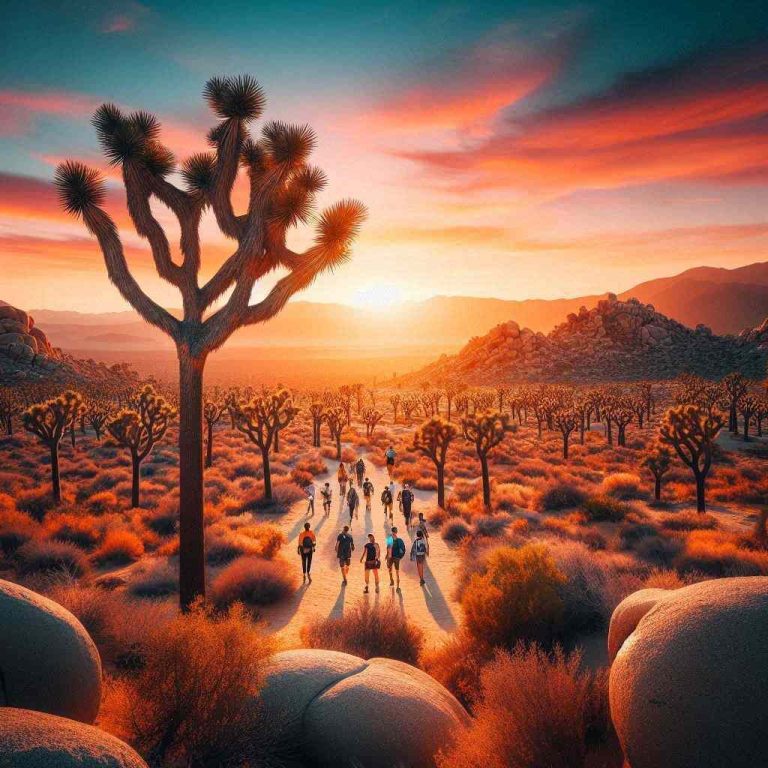
What to Pack for a National Park Trip: The Complete Checklist
Forgetting the right gear on a national park trip doesn’t just mean discomfort — it can mean a medical emergency, a wildlife encounter, or an unexpected fine. Most visitors focus on what to bring and never think about what not to bring, how much water they actually need per hour, or how the clothing they choose will perform when the temperature drops 20 degrees above the treeline. This guide covers everything: a complete national park packing list built on the 10 Wilderness Essentials, a layering system based on fabric performance, hydration calculations, wildlife containment protocols, and the restricted items most visitors learn about the hard way. Whether you’re planning a day hike or an overnight trip, you’ll leave knowing exactly what belongs in your pack — and why it’s there.
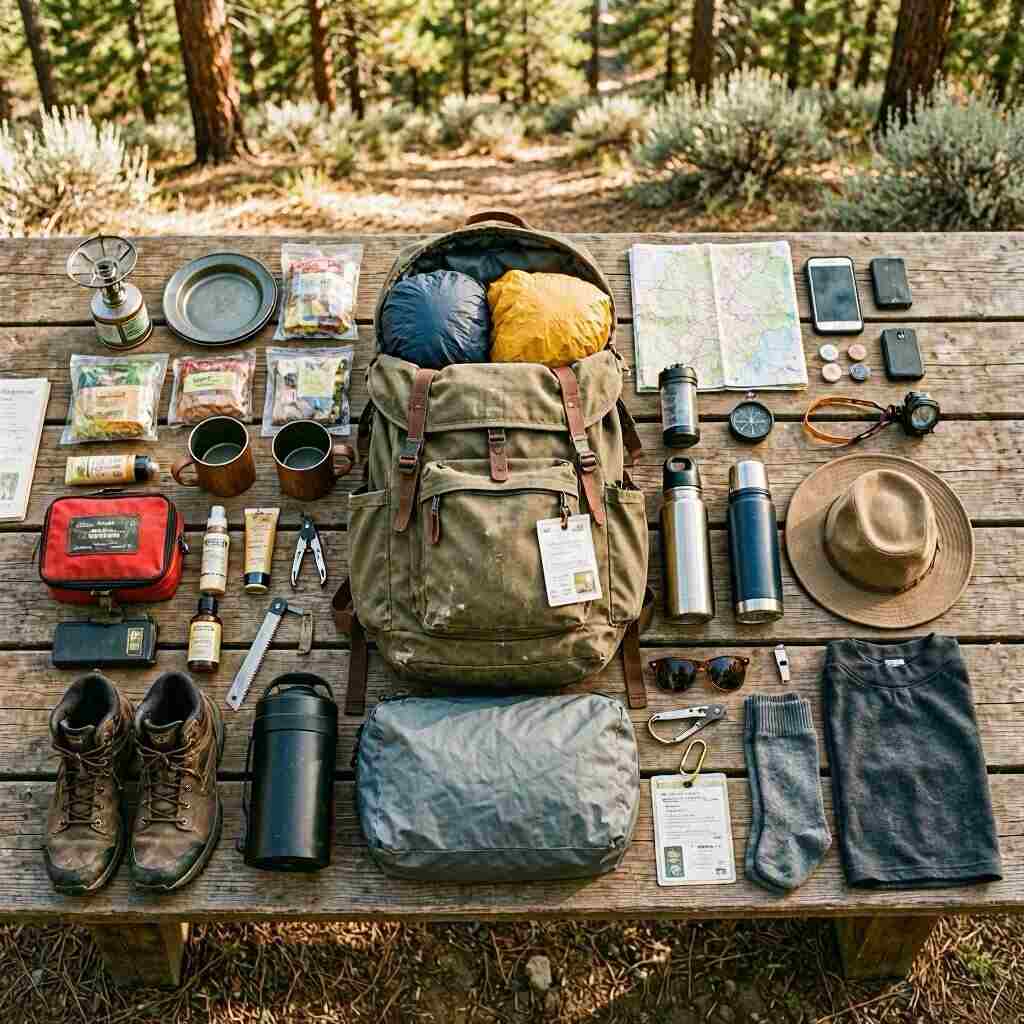
The Complete National Park Packing List
The national park packing list that actually works isn’t a random collection of gear. It’s a structured response to the 10 Wilderness Essentials — a safety framework developed by The Mountaineers and recognized by the National Park Service as the baseline for self-sufficiency in the backcountry. Every item in your pack should trace back to one of these 10 categories: navigation, sun protection, insulation, illumination, first aid, fire starting, repair tools, nutrition, hydration, and emergency shelter. If a piece of gear doesn’t serve one of these functions, it’s a comfort item, not an essential.
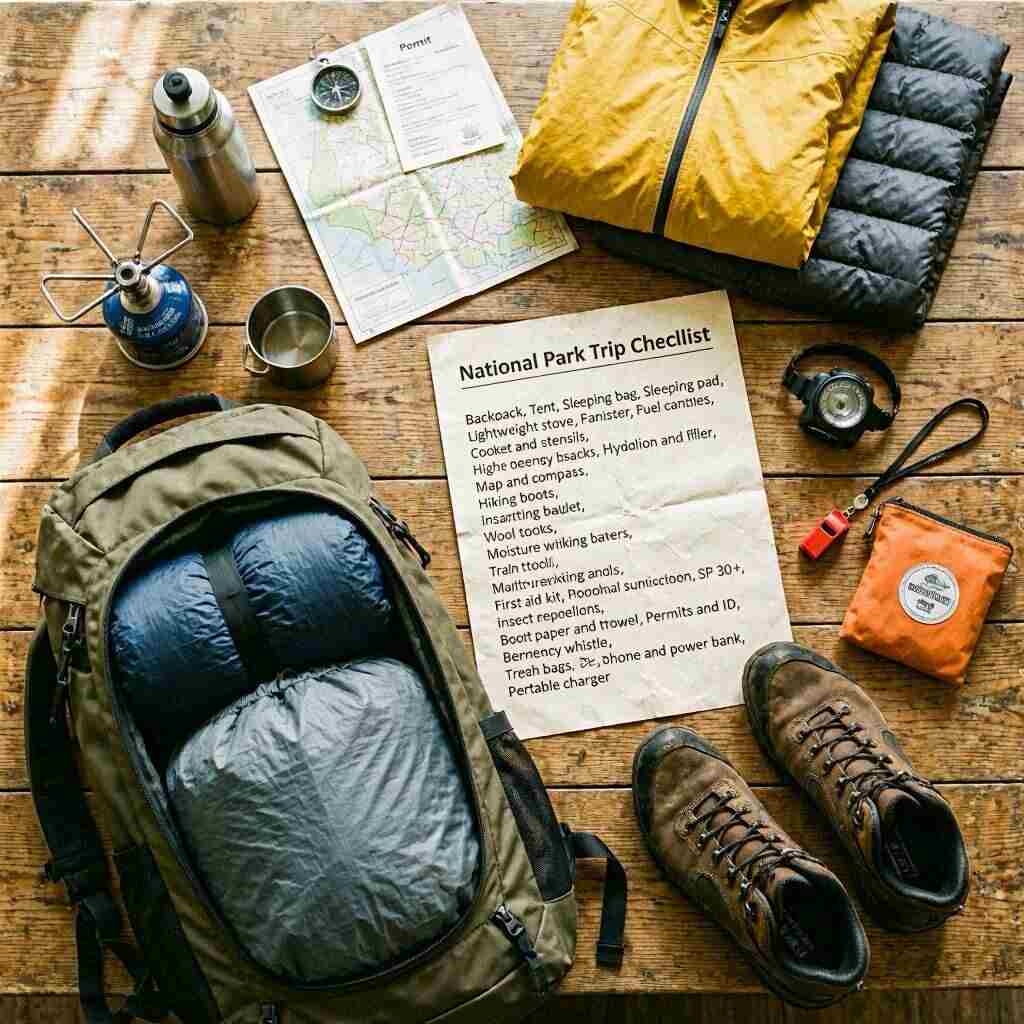
Understanding this distinction changes how you pack. Comfort items are not worthless — a camp chair is wonderful after a long day — but they should never come at the expense of essential gear. A hiker who brings a Bluetooth speaker and forgets a headlamp has made a dangerous trade. Every essential must be packed regardless of how good the weather looks at the trailhead.
The second critical distinction is day hike versus overnight. These aren’t just different quantities of the same gear — they’re fundamentally different systems. A day hike demands light, fast, and weather-ready. An overnight demands shelter, sleep systems, and caloric redundancy. Mixing these categories produces the worst outcome: a pack heavy enough to slow you down but not equipped enough to keep you safe.
Pack weight is a function of trip type and fitness, not ego. The general wilderness guideline is to keep your loaded pack under 20% of your body weight for backpacking and under 10% for day hiking. Every ounce above these thresholds increases fatigue, reduces balance on technical terrain, and extends recovery time. Weigh your pack before you leave — most people carry 15–20% more than they realize.
Master National Park Packing Grid
The table below classifies gear by the 10 Wilderness Essentials categories. Use it to audit your pack before every trip.
| Category | Essential Items | Why Required | Day Hike / Overnight |
|---|---|---|---|
| Navigation | Topographic map, compass, GPS device or downloaded offline maps | Cell service is unreliable or absent in most parks; trails change | Both |
| Hydration | Water bottles or reservoir (2L minimum), water filter or purification tablets | Dehydration is the most common preventable hiking emergency | Both |
| Food & Nutrition | High-calorie snacks (trail mix, bars, jerky), emergency rations | Caloric deficit causes cognitive impairment; energy needed for rescue situations | Both; hot meals + 1 extra day supply for overnight |
| Sun Protection | SPF 30+ sunscreen, UV-blocking sunglasses, wide-brim hat | UV exposure is significantly higher at elevation; reflected off snow | Both |
| Insulation / Clothing | Moisture-wicking base layer, insulating mid layer, waterproof shell, hiking pants | Temperature can drop 3°F per 1,000 feet of elevation gain | Both; sleep layers added for overnight |
| Illumination | Headlamp (with extra batteries) or rechargeable equivalent | Headlamps keep hands free; critical if you’re caught after dark | Both |
| First Aid | Blister care, wound care, moleskin, pain reliever, antihistamine, personal medications | Medical facilities may be hours away | Both; extend kit for overnight |
| Emergency Shelter | Emergency bivy, lightweight tarp, or space blanket | Hypothermia risk is real even in summer at altitude | Both; full tent system for overnight |
| Tools | Multi-tool or knife, duct tape, trekking poles | Trail self-rescue often requires improvised solutions | Both |
| Communication | Whistle, satellite communicator (e.g., Garmin inReach), fully charged phone | Cell coverage is absent in most backcountry areas | Both; satellite device essential for overnight |
This grid is the skeleton of your pack. Once all 10 categories are checked, you can add comfort items — trekking poles, camp chairs, camera gear — in the remaining weight budget.
Competitor Gap Addressed: Most packing lists mix essential and optional gear without distinguishing between the two. This causes visitors to deprioritize life-safety items because a speaker or camp pillow felt more urgent to remember. The 10 Essentials framework prevents this error entirely by making the survival tier explicit.
Packing list for desert parks — if you’re heading to parks like Joshua Tree, Zion, or Saguaro, add wide-brim hats, electrolyte packets, UV-protective clothing, and at least 1.5x your normal water volume. Desert heat depletes fluids faster than most visitors expect.
Hydration Architecture: Calculating Your Daily Fluid Volume Metrics
How much water to bring hiking is not a question most packing lists answer with any precision — and that vagueness gets people into serious trouble. The standard recommendation to “bring plenty of water” is functionally useless when you’re standing at a trailhead calculating whether your 2-liter reservoir will last a 9-mile round trip.
The baseline formula for moderate trail conditions is 0.5 liters per hour of hiking. At this rate, a 4-hour day hike requires 2 liters at minimum. But this is a floor, not a recommendation, and it applies only to mild temperatures, relatively flat terrain, and average fitness levels.
Desert conditions change the calculus significantly. In high heat or at parks like Death Valley or Arches in summer, fluid needs escalate to 1 liter per hour or more. This isn’t a conservative exaggeration — it’s a physiological response to sweat rate under radiant heat. At 1L/hr, a 4-hour hike demands 4 liters. Most hikers underestimate this by 40–60%.
Altitude creates an additional variable that few sources address. At elevations above 8,000 feet — common in parks like Rocky Mountain, Grand Teton, and Yosemite’s high country — you lose moisture faster through respiration. Higher altitude equals lower humidity, which means your lungs are working harder while drying out faster. Add 15–20% to your base fluid calculation when hiking above 8,000 feet.
The Fluid Demand Estimation Model
Use this five-step framework to calculate your exact water requirement before every trip:
- Determine trip duration. Calculate total hiking time in hours, not distance. A 10-mile trail at 2 mph takes 5 hours; the same trail at 3 mph takes 3.3 hours. Use realistic pace estimates, not optimistic ones.
- Determine climate conditions. Mild (under 75°F, shade available) = 0.5L/hr. Hot (75–90°F) = 0.75L/hr. Desert/extreme heat (90°F+) = 1.0–1.5L/hr.
- Apply the altitude multiplier. If hiking above 8,000 feet, multiply your base fluid total by 1.2.
- Add an emergency reserve. Always carry at least 1 additional liter beyond your calculated need. Getting turned around on a trail, a longer return route, or an unexpected delay can easily add 1–2 hours to any hike.
- Determine your treatment method. If you’re relying on natural water sources, carry a water filter rated to remove Giardia and Cryptosporidium — both are common in backcountry water sources throughout the park system. Squeeze filters and straw filters are the lightest options. Hollow fiber membrane filters are the most common technology.
Critical warning about hollow fiber filters and cold weather: if your filter freezes, the hollow fiber membranes inside crack — and those cracks are invisible to the naked eye. A frozen filter may feel fine to squeeze but will pass pathogens through the damaged membranes. If you’re hiking in conditions where temperatures drop below freezing at night, sleep with your filter inside your sleeping bag. This is one of the most under-discussed gear-failure risks in cold-weather hiking.
Electrolytes deserve equal attention to fluid volume. When you sweat heavily, you’re not just losing water — you’re losing sodium, potassium, and magnesium. Replacing fluid without replacing electrolytes causes hyponatremia, a sodium imbalance that can cause confusion, nausea, and in severe cases, serious neurological symptoms. Carry electrolyte tablets or mix-in packets on any hike over 3 hours in warm conditions.
Wildlife Defense Tools: Bear Spray Deployment and Food Containment Metrics
Wildlife safety gear for parks is one of the most under-equipped categories for the average national park visitor. Most people know they’re supposed to have bear spray in bear country — far fewer know how to deploy it, which parks require hard-sided canisters, or how vehicle scent management fits into wildlife safety.
Bear spray is a capsaicin-based aerosol that creates a defensive cloud effective at deterring aggressive bears. It is not repellent — do not apply it to yourself or your gear. It must be immediately accessible, not buried in your pack. Carry it in a chest holster or hip holster where you can draw and deploy it with one hand in under three seconds. The effective range is typically 7–9 meters, and the trigger should be pressed in a sweeping arc when a bear is within that range and closing.
Wildlife Defense Matrix
| Tool | Purpose | When Required | Limitations |
|---|---|---|---|
| Bear Spray | Deter charging or aggressive bears | Bear country — recommended universally | Ineffective in high winds; must be accessible, not packed away |
| Hard-Sided Bear Canister | Store food overnight in the backcountry | Required in designated zones in Yosemite, RMNP, and others | Heavy (2–3 lbs); requires park-specific knowledge of requirements |
| Soft Bear Bag (hang method) | Food storage where hard canisters aren’t required | Many dispersed camping areas | Requires correct hang height (12 ft+ high, 6 ft+ from trunk); often poorly executed |
| Food Storage Lockers | Roadside and front-country food storage | Available at most developed campgrounds | Not available in backcountry; cannot substitute for canister in required zones |
| Odor-Proof Bags | Reduce scent from food and scented items | All camping situations | Reduce, don’t eliminate, scent — supplement, don’t replace, hard canisters |
Which parks require hard-sided canisters? The list changes, and you must verify before your trip. As of 2026, Yosemite’s backcountry, Rocky Mountain National Park’s designated zones, and several areas within Sequoia and Kings Canyon require them. Bringing a hard canister everywhere in bear country is always the conservative and correct choice, even when it’s not mandated.
Food odor management goes beyond the container your food is stored in. Anything scented — toothpaste, sunscreen, lip balm, deodorant, soiled clothes — attracts wildlife. These items belong in your bear storage solution, not loose in your tent.
Off-Grid Navigation and Power Management
Navigation failure is one of the most common causes of search-and-rescue operations in the national park system. Cell service is absent or unreliable across the majority of trail systems, and relying on a Google Maps connection in the backcountry is a well-documented cause of hikers becoming lost.
Carry two navigation tools: a downloaded offline map on your phone (apps like Gaia GPS or AllTrails Pro cache maps for offline use) and a physical topographic map of the park. The physical map is not a backup — it’s the primary system in conditions where your phone battery fails or your screen cracks. A compass paired with a topo map will get you out when all electronics fail.
Field Battery Capacity Planner
Power management is a genuine technical calculation, not a matter of “just bring a charger.”
- Count your devices. Most hikers carry a phone, GPS, and possibly a camera. Each has a battery size measured in mAh.
- Estimate your drain rate. A phone using offline navigation actively drains at roughly 10–20% per hour. Over 8 hours of hiking, that’s 80–100% of battery — a full daily discharge.
- Calculate your total mAh need. A typical phone battery is 3,500–5,000 mAh. A power bank rated at 10,000 mAh provides roughly 2 full charges (accounting for conversion loss).
- Apply the cold-weather correction. Lithium-ion batteries lose 20–30% of their effective capacity below 32°F (0°C). For alpine parks where nighttime temperatures drop below freezing, add 30% to your power bank capacity target.
- Total recommendation: A 10,000–20,000 mAh power bank covers most multi-day device needs. Keep the power bank inside your sleeping bag at night in cold conditions — a warm battery in the morning is functionally a larger battery.
Trailhead Vehicle Scent Architecture
Most wildlife incidents in national parks don’t begin on the trail — they begin in the parking lot. Bears and other wildlife have olfactory sensitivity roughly 2,100 times more powerful than humans. A cooler in your backseat, a wrapper in your center console, or a bag of dog food in your trunk broadcasts a food signal that attracts wildlife from significant distances.
Vehicle Scent Isolation Checklist
Before leaving your vehicle at any national park trailhead, complete all of the following:
- [ ] Remove all food items from the vehicle — including any food in the glove compartment or under seats
- [ ] Remove all trash, including wrappers and empty containers
- [ ] Move your cooler to the trunk or a storage locker; never leave it visible on the seat
- [ ] Bag any scented hygiene items (sunscreen, lotion, soap) that are stored in the vehicle
- [ ] Remove pet food or any pet-related items from the vehicle
- [ ] Close all windows; do not leave windows cracked — this provides no meaningful airflow benefit and creates an easy entry point
- [ ] Remove any visible gear that could attract smash-and-grab theft, which is common at high-use trailheads
- [ ] If camping overnight, move your vehicle’s food storage to designated bear boxes at the campground before returning to the trail
- [ ] Never leave lip balm, deodorant, or flavored medications in the vehicle cabin
- [ ] Log the time and confirm your vehicle is locked before heading to the trailhead
This step takes five minutes and is almost universally skipped by first-time visitors. A bear that breaks into a vehicle at a trailhead is typically relocated or euthanized — a consequence that is entirely preventable.
What Clothing to Wear Hiking in National Parks
What clothing to wear hiking in national parks is a question that most packing guides answer with brand names and shopping lists. This guide answers it differently: with a performance-based layering system built on fabric science. The right clothing choice has nothing to do with which brands are popular and everything to do with how different materials respond to heat, cold, moisture, and wind.
The fundamental principle is the three-layer system: a moisture-managing base layer against the skin, an insulating mid layer for warmth, and a weatherproof shell for wind and rain protection. Each layer has a specific job, and each is only as effective as the layers around it. A technically excellent base layer under a cotton sweatshirt performs poorly. A high-quality shell over a cotton base layer still fails in the rain.
Three-Layer Fabric Specification Matrix
| Layer | Purpose | Fabric Type | Best Conditions | Common Mistakes |
|---|---|---|---|---|
| Base Layer | Move sweat away from skin to prevent chilling | Synthetic polyester or merino wool | All conditions — always wear | Wearing cotton; choosing too-heavy weight in warm weather |
| Mid Layer (Insulation) | Trap body heat during breaks or in cold conditions | Fleece (polyester), down (dry conditions), synthetic fill (wet conditions) | Cold, high elevation, or whenever you stop moving | Wearing mid layer while actively hiking and overheating; choosing down in wet environments |
| Shell Layer | Block wind and rain; allow moisture vapor to escape | Hardshell (waterproof-breathable, e.g., Gore-Tex, eVent) or softshell (wind/light rain resistant) | Any time weather is changeable; always above treeline | Relying on a softshell in heavy rain; skipping the shell because the forecast looks clear |
Packing list for alpine parks — in parks like Rocky Mountain, North Cascades, or Glacier, add thermal base layers rated for sub-freezing temperatures, insulated gloves, and wool or synthetic hiking socks rated to at least 20°F. Late spring and early fall at altitude can produce snowfall at any time.
Base Layer Science
The base layer is the most critical and least understood component of the hiking clothing system. Its job is moisture transport — moving sweat away from your skin and into the next layer so that your body temperature remains stable. A base layer that traps moisture against your skin creates a clammy, cooling effect that leads to rapid chilling when you stop moving.
Synthetic polyester (used in most performance base layers) is the workhorse fabric. It pulls moisture through a wicking structure built into the fiber itself, dries fast, and retains performance when wet. It is the right choice for high-output activities in moderate temperatures.
Merino wool offers natural odor resistance (significant on multi-day trips), natural temperature regulation, and comfort in a wider range of temperatures. It dries more slowly than synthetic but stays warm even when damp — a performance characteristic no synthetic can fully replicate.
Cotton kills is not a dramatic outdoor cliché — it is fabric science. Cotton absorbs and holds moisture rather than transporting it. A wet cotton layer drops its thermal value to near zero and creates a chilling surface against the skin. At altitude or in sudden weather changes, this is a genuine hypothermia risk. Leave all cotton at home.
Insulation Layer Mechanics
The mid layer’s job is simple: trap warm air close to your body. Its complexity lies in choosing the right insulation type for your specific conditions.
Fleece (polyester pile) is the most versatile mid layer. It retains approximately 60–70% of its insulative value when wet, dries faster than down, and is extremely durable. A midweight fleece jacket is the correct mid layer for most national park visitors in three-season conditions.
Down insulation provides the highest warmth-to-weight ratio of any insulation type, making it the preferred choice for ultralight backpackers and cold, dry conditions. Its critical limitation is moisture: when down gets wet, the loft collapses and warmth drops dramatically. Down is the wrong choice for the Pacific Northwest, rainy shoulder seasons, or any trip where getting wet is likely.
Synthetic fill insulation bridges the gap — it provides roughly 80% of down’s warmth, costs less, and retains usable warmth even when wet. For most visitors to coastal or wet parks, a synthetic insulated jacket is the correct choice.
The practical rule: take the mid layer off while you’re actively hiking (your body generates significant heat in motion), put it on immediately when you stop. Overheating while moving causes excessive sweating that saturates your base layer; the mid layer then traps that moisture against your body. Manage your layers actively, not reactively.
Weatherproof Shell Selection
The shell layer is your insurance policy. Its two functions are wind resistance and waterproofing — and they require different constructions.
Hardshell jackets use a waterproof-breathable membrane (Gore-Tex, eVent, and similar technologies) bonded to a face fabric. The membrane blocks liquid water from entering while allowing water vapor (sweat) to escape outward. The effectiveness of this breathability depends on temperature differential — the membrane breathes best when you’re warm inside and cool outside. Hardshells are the correct choice for sustained rain, above-treeline exposure, and any high-output activity in wet conditions.
Durable Water Repellent (DWR) coating is applied to the face fabric of most shells. Over time, DWR degrades, causing the outer fabric to “wet out” (absorb water rather than bead it off), which dramatically reduces the jacket’s breathability. A shell with failed DWR still blocks rain but stops breathing efficiently. Restore DWR with a heat treatment (tumble dry on low or use a household iron over a damp cloth after washing) after every few uses.
Hydrostatic head rating tells you how waterproof a fabric is: the higher the number, the more water pressure it can resist before leaking. Jackets rated at 10,000mm+ handle sustained heavy rain. Products rated under 3,000mm are water-resistant, not waterproof — fine for light drizzle but not for a mountain thunderstorm.
Alpine Environment Adjustments
Above treeline in alpine parks, the gear requirements expand. Summer temperatures above 11,000 feet routinely drop to near freezing at night, and afternoon thunderstorms are a daily occurrence from June through August in the Rockies.
Add the following to your standard three-layer system for alpine environments:
- Insulated gloves or glove liners — fingers lose heat faster than any other body part at altitude
- Wool or synthetic hat that covers your ears — significant heat is lost through the head in wind
- Microspikes or traction devices if any snow travel is anticipated (common in June at high elevation)
- Gaiters for post-holing through soft snow or mud
These adjustments keep the packing list for alpine parks functional without adding unnecessary weight. The core three-layer system remains intact; the alpine additions address the specific hazards of exposed, high-elevation terrain.
What Not to Pack for a Park Trip
What not to pack for a park trip matters as much as what you bring. National parks are federally regulated land, and the items prohibited within their boundaries are there for specific reasons — protecting wildlife, ecosystems, or other visitors. Violations can result in fines ranging from $100 to several thousand dollars, permit revocation, and in some cases, criminal charges.
The competitor gap on this topic is significant: most packing guides focus entirely on what to bring and spend little or no time on regulations. Many visitors discover restrictions for the first time at the entrance gate — or after receiving a fine.
Federal Land Regulatory Compliance Matrix
| Item | Restriction | Reason |
|---|---|---|
| Drones / UAVs | Prohibited in all National Park Service land by default (NPS Policy Memorandum 14-05) | Disturbs wildlife, disrupts visitor experience, fire risk; rare exceptions require written permit |
| Personal fireworks | Prohibited in all NPS units | Fire risk, wildlife disturbance, public safety |
| Firewood from outside the park | Restricted or prohibited in many parks | Prevents spread of invasive pests (emerald ash borer, bark beetles, spotted lanternfly) |
| Glass containers (certain parks) | Prohibited at swimming areas, beaches, and river areas in many parks | Shattered glass is undetectable in sand and poses serious injury risk |
| Pets on most trails | Restricted — pets generally permitted only in developed areas, campgrounds, and on paved roads | Wildlife disturbance, vegetation damage, predator attraction |
| Wildlife feeding | Prohibited in all NPS units | Creates food-conditioned animals that become dangerous and are often euthanized |
| Bear attractants (improperly stored) | Prohibited in bear management areas; violations carry fines | Wildlife safety; property damage |
| Human waste (without proper disposal) | Required to use WAG bags or cat-hole burial in many backcountry areas | Soil contamination, water source protection, visitor experience |
Drone Restrictions
Drones are prohibited in all National Park Service units under the NPS Policy Memorandum 14-05, which has been in effect since 2014. This is not a park-by-park rule — it is system-wide. Exceptions exist but require written approval from park management before travel. Do not assume an exception applies to your intended use.
The reasons are concrete: drones disturb nesting birds and wildlife at critical life stages, create dangerous near-miss situations with low-flying search-and-rescue aircraft, and produce noise that degrades the wilderness experience for other visitors. Enforcement includes fines and confiscation of the device.
If aerial photography is important to your trip, the correct approach is to contact the park’s public affairs office before arrival to ask about permit availability. Some parks have designated photography windows for commercial operations.
Pet Restrictions
Pets are not welcome on most national park trails, and this surprises many visitors. The general NPS rule permits pets in developed areas (parking lots, campgrounds, paved paths) but prohibits them on unpaved trails, in backcountry areas, and in wilderness zones. The reasons include wildlife disturbance — even a well-behaved dog on a leash alters the behavior of ground-nesting birds, small mammals, and deer in ways that compound across millions of annual visits.
Specific parks have specific rules. Acadia National Park permits leashed pets on most trails. Zion National Park prohibits pets below the canyon floor on most trails. Always check the specific park’s pet policy at nps.gov before your trip. Service animals are not subject to the same restrictions under federal law.
Firewood Regulations
Transporting firewood across state lines or even across county lines is restricted in many jurisdictions due to invasive pest concerns. The emerald ash borer, spotted lanternfly, bark beetles, and Asian longhorned beetle are among the species that travel in firewood and have already decimated tens of millions of trees in North America.
The correct approach is to buy firewood locally — within 10 miles of your campsite, or at the park itself. Many parks sell pest-free certified firewood at entrance gates or camp stores. Kiln-dried firewood sold commercially meets the heat-treatment standard required to kill larvae. Never move firewood more than 50 miles from its source.
Waste Disposal Requirements
Human waste disposal in the backcountry requires more than finding a tree. The Leave No Trace standard requires catholes dug at least 6–8 inches deep and 200 feet from water sources, trails, and campsites. In high-use areas, cathole burial is insufficient — some parks require pack-out via WAG (Waste Alleviation and Gelling) bags, which are compact, odor-containing bags designed for solid waste transport.
Parks that require WAG bags include Mount Whitney (Sequoia/Kings Canyon), the Enchantments (Okanogan-Wenatchee National Forest), and parts of Rocky Mountain National Park’s most heavily trafficked routes. These requirements exist because high visitor density exceeds the soil’s capacity to biologically process waste, leading to visible waste accumulation and water contamination. Check the specific park’s waste disposal rules in the permit conditions.
Post-Trip Technical Gear Maintenance
What you do with your gear after the trip determines how it performs on the next one. Most gear failures — a shell that won’t bead water, a filter that passes pathogens, boots that fall apart — result from improper post-trip care rather than manufacturer defects.
DWR Restoration: The waterproof-breathable technology in your shell jacket depends on the DWR coating on its face fabric. Wash your shell with a technical fabric cleaner (Nikwax Tech Wash or similar) rather than standard detergent, which strips DWR chemistry. After washing, tumble dry on low or apply heat with a household iron at a low setting over a damp cloth. Heat reactivates the DWR fluoropolymer chains. If beading performance is still poor after heat treatment, a spray-on DWR restorer (Nikwax TX.Direct Spray-On) can extend the jacket’s life by one to two seasons.
Filter Maintenance: After every trip, flush your water filter with clean water and allow it to fully dry before storage. Never store a filter wet — moisture promotes bacterial growth inside the membrane housing. In cold climates, the freeze-damage risk described in the hydration section applies during storage as well. Keep filters stored above freezing or carry them through the winter inside.
Footwear Care: Remove insoles and dry boots slowly at room temperature after wet trips — never put leather or synthetic hiking boots near a heat source. Heat warps the midsole and degrades adhesive bonds. Apply a leather conditioner or boot waterproofing product specific to your upper material (leather vs. synthetic) every few trips.
Proper maintenance extends the working life of technical gear by years. A water filter that costs $40 and lasts 10 seasons costs substantially less than buying replacements due to neglect.
Frequently Asked Questions
Can You Bring Bear Spray on a Commercial Airplane?
Bear spray is classified as a hazardous material under FAA and TSA regulations, and it is prohibited in both carry-on and checked baggage on commercial flights. Unlike pepper spray intended for personal defense (which is allowed in checked luggage under specific quantity limits), bear spray canisters exceed the permitted concentration of capsaicin — typically 1–2% for personal defense versus 7.9–9.2% for bear deterrent. The FAA restriction is absolute: no quantity of bear spray is allowed aboard a commercial aircraft in any baggage compartment.
If you’re flying to a national park destination, your options are: rent bear spray from outfitters near the park entrance (common near Yellowstone, Glacier, and Grand Teton gateway towns), purchase it upon arrival at a local outdoor retailer, or ship it ahead via ground shipping service to your lodging or a local business (verify the recipient can accept hazardous materials shipments). Never attempt to check bear spray — it will be confiscated, and depending on the situation, may trigger additional screening and delay. Disposal options at the park include leaving unused canisters with rangers for proper disposal.
Do I Need Hiking Boots for National Parks?
Hiking boots are not required for most national park trails, but the correct footwear choice depends on your trail type, pack weight, and personal ankle stability. The honest answer is that boots and trail runners each have legitimate use cases, and the choice matters more than most visitors realize.
Hiking boots (above-ankle construction, lugged sole, waterproof lining) are the correct choice when: you’re carrying a loaded overnight pack of 30+ pounds, the trail involves sustained technical terrain (scree fields, off-trail routes, river crossings), or you have a history of ankle sprains. The added lateral support and load-transfer structure in a full boot become meaningful under heavy pack weight.
Trail runners are the correct choice for: day hikes on maintained trails, warm-weather trips where breathability matters more than waterproofing, and hikers with strong ankle stability and previous trail experience. Trail runners save 0.5–1 pound per foot compared to boots — significant over a long day.
Pack weight effect: The biomechanical rule of thumb is that 1 pound on your feet equals approximately 5 pounds on your back in terms of energy expenditure. Heavier footwear increases fatigue meaningfully on longer days. For light day hikes, a well-fitted trail runner is genuinely more efficient than a heavy boot. For a full-week backpacking trip with 40 pounds of gear, the support of a boot justifies the weight.
Conclusion
The difference between a great national park trip and a difficult one rarely comes down to how much money you spent on gear. It comes down to how thoughtfully you prepared. Knowing what to pack for a national park trip means understanding the 10 Wilderness Essentials, calculating your actual hydration needs, packing clothing that performs in changing weather, knowing what wildlife containment actually requires, and understanding which items will get you fined at the gate.
Every system in this guide works at any budget. The fabric science behind the three-layer clothing system applies whether your base layer costs $25 or $150. The hydration calculation is the same regardless of which water bottle you own. Preparation is the differentiator — not brand names.
Your next step: build your personalized checklist from the Master Packing Grid, calculate your fluid needs for your specific trail, and verify your park’s current regulations at nps.gov before you leave. A well-prepared visitor is a safer visitor — and a much happier one.